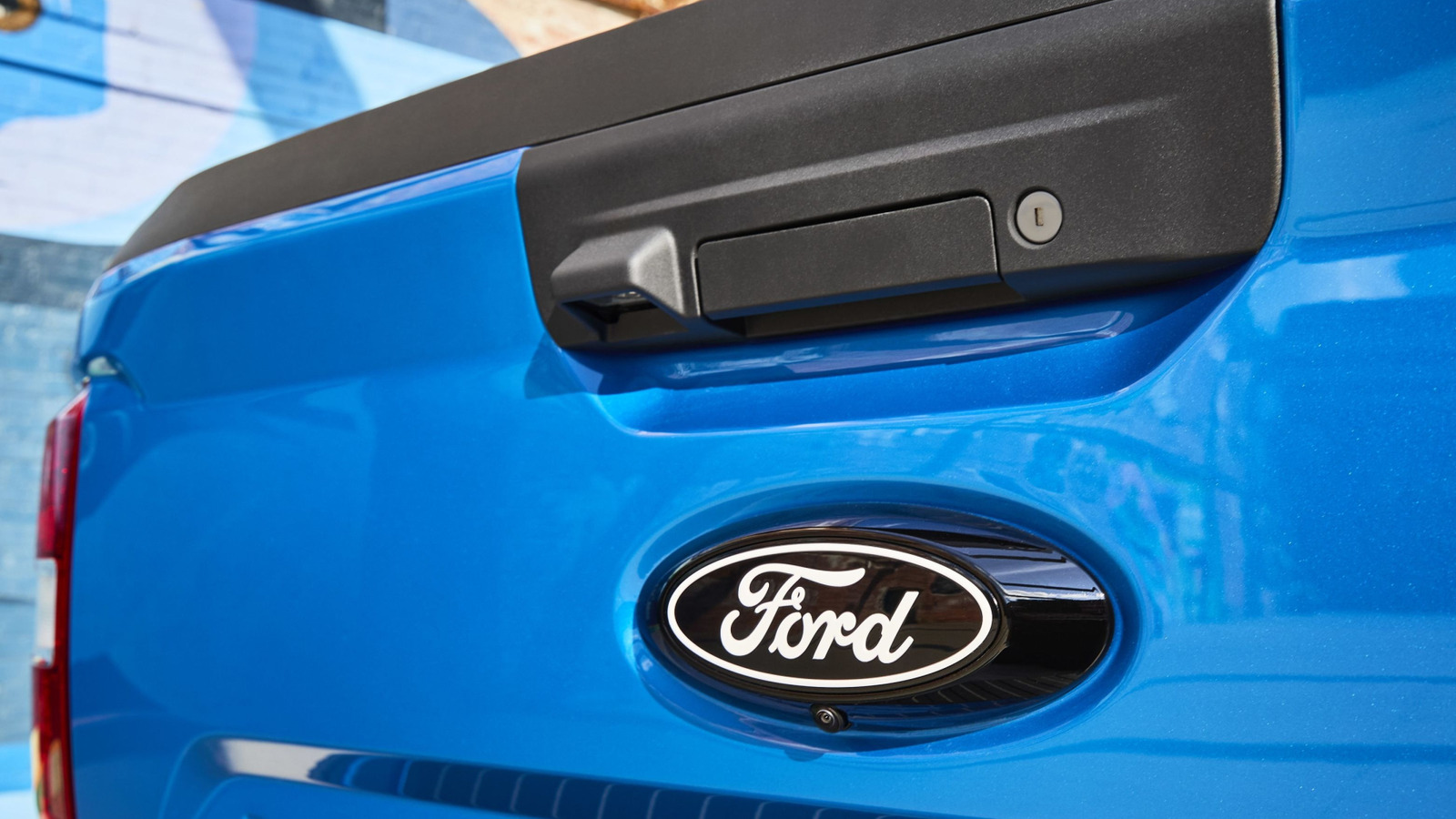
When automotive experts evaluate vehicle depreciation, full-size pickup trucks routinely outperform traditional passenger cars and SUVs in retaining their initial purchase price over time. Industry watchers often point to the Ford F-150 as the default champion of the Detroit automaker’s lineup, but according to recent residual value calculations from Kelley Blue Book (KBB), another Ford model actually claims the top spot for long-term value retention in the 2026 market segment.
Vehicle depreciation remains the single largest ownership cost for most car buyers, making residual value awards a critical metric for fleet managers and retail consumers alike. Kelley Blue Book determines its annual Best Resale Value Awards by analyzing marketplace data, historical depreciation trends, and economic forecasts for vehicles across dozens of segments, projecting which models will retain the highest percentage of their manufacturer’s suggested retail price after an initial five-year ownership period.
While heavy-duty workhorses and midsize utility haulers dominate various commercial categories, crossover platforms and specialized configurations continue to surprise analysts by commanding exceptionally strong prices on the used market. Understanding these valuation shifts helps buyers minimize total cost of ownership, particularly as broader macroeconomic pressures influence new vehicle pricing and microchip availability across global supply chains.
Evaluating Ford Residual Values Across the Lineup
Consumer perception typically aligns high resale performance directly with the Ford F-150, America’s best-selling vehicle for decades. The F-150 maintains a massive market share, robust aftermarket support, and steady demand from both commercial contractors and private owners, which naturally underpins its strong performance in used vehicle valuation guides compiled by automotive research firms.
However, KBB data highlights that specialized utility models and commercial vans frequently outpace even the mighty F-150 and the midsize Ranger in percentage-based residual retention. Low inventory levels in specific commercial sectors, combined with steady, inelastic demand from small businesses and service fleets, create a supply-and-demand imbalance that protects these alternative models from steep depreciation curves.
Automotive economists note that vehicle segments with limited factory production runs or high specialized utility often experience slower depreciation than mass-market consumer trucks. Buyers who prioritize long-term asset protection over traditional consumer styling often look closely at these commercial-grade platforms when calculating three- to five-year ownership costs.
Market Dynamics Shaping 2026 Resale Projections
The broader automotive marketplace in 2026 continues to navigate inventory normalization following years of post-pandemic supply chain disruptions. According to market analysts tracking wholesale auction results, used vehicle values have stabilized compared to the historic peaks recorded during the vehicle shortages of the early 2020s, returning closer to historical seasonal depreciation patterns.
Interest rate fluctuations and inflationary pressures also influence consumer buying behavior, driving increased demand for reliable, durable vehicles that hold their worth on trade-in. Dealership networks report that shoppers are paying closer attention to third-party residual value forecasts before signing purchase agreements, making awards from established valuation authorities vital marketing tools for automotive manufacturers.
Furthermore, shifting consumer preferences toward versatile utility vehicles and efficient powertrains mean that manufacturers must balance traditional towing capacity with modern fuel economy and interior technology standards. Vehicles that successfully bridge this gap tend to command stronger premiums when traded in or sold privately.
Practical Guidance for Car Buyers and Fleet Managers
Shoppers aiming to maximize their investment can review official rankings and methodology guides directly through the Kelley Blue Book official website, where annual residual value category winners are published alongside detailed depreciation calculators. Evaluating these third-party projections before purchasing a new or certified pre-owned vehicle helps mitigate the financial impact of rapid depreciation.
Fleet operators and individual buyers should also consult vehicle-specific maintenance records, recall notices, and warranty terms provided by the National Highway Traffic Safety Administration to ensure long-term reliability aligns with projected residual value. Maintaining meticulous service documentation and opting for popular trim packages and color choices further safeguards a vehicle’s trade-in value against market fluctuations.
As the automotive industry moves through the remainder of the model year, consumers are encouraged to monitor local dealership inventories and official manufacturer bulletins for upcoming residual value updates and seasonal incentive programs. Readers are welcome to share their experiences with vehicle trade-ins and depreciation trends in the comments section below.