
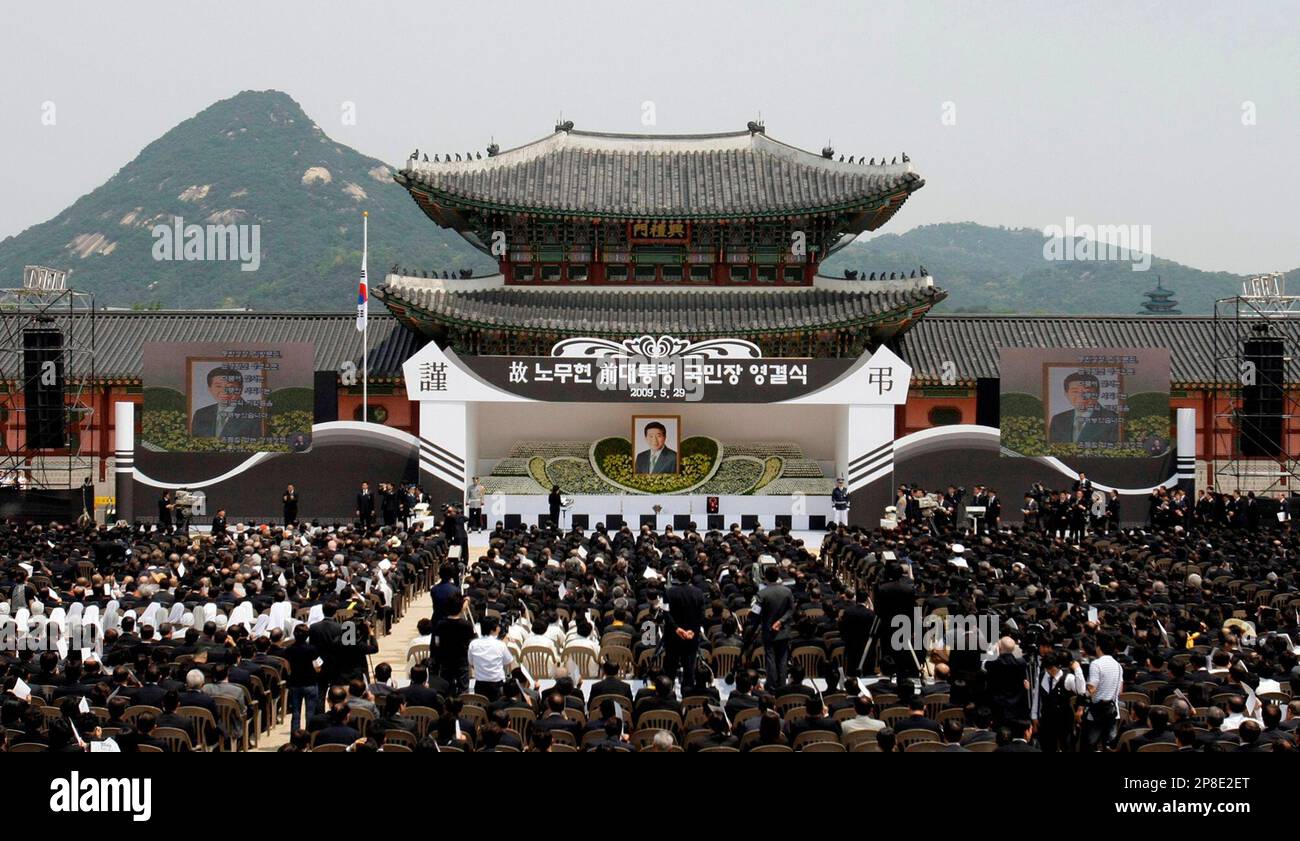
The funeral of former South Korean President Roh Moo-hyun in May 2009 remains one of the most significant cultural and political milestones in modern South Korean history, characterized by hundreds of thousands of citizens gathering in Bongha Village to mourn. While the event was not a celebrity-driven spectacle, the figures most closely associated with the funeral include political leaders of the era and the massive, spontaneous mobilization of the South Korean public.
The funeral proceedings, which began following Roh’s death on May 23, 2009, transformed the small village of Bongha in Gimhae into a focal point of national grief and political discourse. Unlike traditional state funerals that are strictly controlled, the mourning period for Roh became a grassroots phenomenon, where the “famous figures” most often cited in historical accounts are the political leaders of the time and the collective identity of the citizens who traveled to pay their respects.
The Scale of Public Mourning in Bongha Village
Following the announcement of Roh Moo-hyun’s death, an estimated hundreds of thousands of people descended upon Bongha Village, according to various contemporary news reports from the period. The sheer volume of mourners created significant logistical challenges for local authorities and transformed the rural landscape into a massive outdoor memorial site. This influx of people was not merely a political demonstration but was described by observers as a profound expression of personal grief from a wide demographic of the South Korean population.
The atmosphere in Gimhae was defined by a sense of communal loss rather than the formal rigidity typical of presidential transitions. Mourners formed long lines that stretched for kilometers, often waiting hours to pass by the memorial site. This massive turnout is frequently cited by sociologists as a defining moment in South Korean civil society, illustrating the deep emotional connection between the former president and a significant portion of the electorate.
Key Political Figures and Official Attendance
While the funeral was driven by the public, several high-profile political figures were central to the official and symbolic proceedings. At the time, South Korea was under the administration of President Lee Myung-bak, and the handling of the mourning period was a matter of intense political scrutiny. Official records indicate that while the state provided the framework for the funeral, the political tension between the ruling party and the supporters of the late president was palpable throughout the week.
Notable figures associated with the period include:
- Kwon Yang-hee: The widow of Roh Moo-hyun, who became a central figure of strength for the mourning public during the ceremonies.
- Lee Myung-bak: The then-President of South Korea, whose administration managed the official protocols of the mourning period.
- Park Geun-hye: The leader of the opposition at the time, whose political stance and the actions of her party were closely monitored by the media during the national period of mourning.
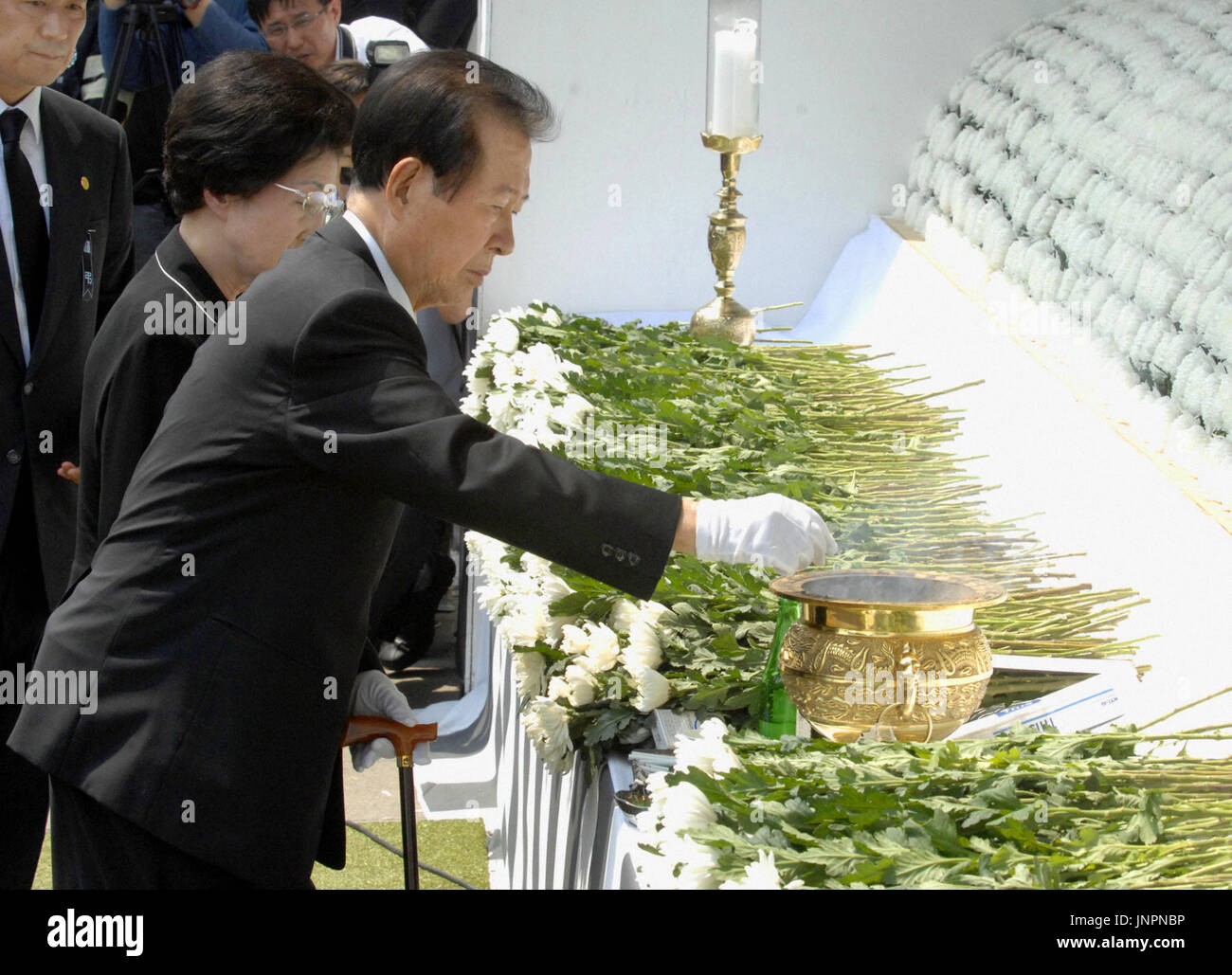
The interaction between these political figures and the grieving public served to highlight the deep ideological divisions within the country, even as the nation collectively observed the period of mourning. The funeral functioned as both a formal state event and a massive, unofficial public gathering that transcended traditional political boundaries.
The Cultural Impact and Media Representation
From an entertainment and cultural perspective, the funeral of Roh Moo-hyun was a landmark event in how the South Korean media covered mass public emotion. The broadcasting of the funeral rites and the footage of the massive crowds became a staple of news cycles, shaping the collective memory of the “Roh Moo-hyun era.” The visual imagery of the crowds in Bongha Village has since become an iconic representation of the “People’s President” narrative.
The event also had a lasting impact on South Korean pop culture and political communication. The way supporters expressed their grief—often through spontaneous gatherings and the use of symbolic colors and imagery—influenced how subsequent political movements in South Korea have organized and communicated with the public. The funeral was not just a news event; it was a cultural phenomenon that redefined the relationship between political leadership and the emotional life of the citizenry.
Key Takeaways from the Roh Moo-hyun Funeral
- Massive Scale: The event drew hundreds of thousands of mourners to Bongha Village, making it one of the largest public gatherings in recent Korean history.
- Grassroots Nature: While officially managed, the funeral was largely defined by spontaneous public participation rather than celebrity attendance.
- Political Significance: The mourning period highlighted the intense political landscape of 2009, involving key figures like Lee Myung-bak and Park Geun-hye.
- Cultural Legacy: The imagery of the funeral remains a powerful symbol in South Korean political and social discourse.
Frequently Asked Questions
Who were the most prominent people at Roh Moo-hyun’s funeral?
The most prominent figures were not celebrities, but rather political leaders such as then-President Lee Myung-bak and opposition leader Park Geun-hye, alongside Roh’s widow, Kwon Yang-hee. However, in the public consciousness, the “famous figures” are often considered to be the hundreds of thousands of ordinary citizens who participated in the mourning.
Where did the funeral take place?
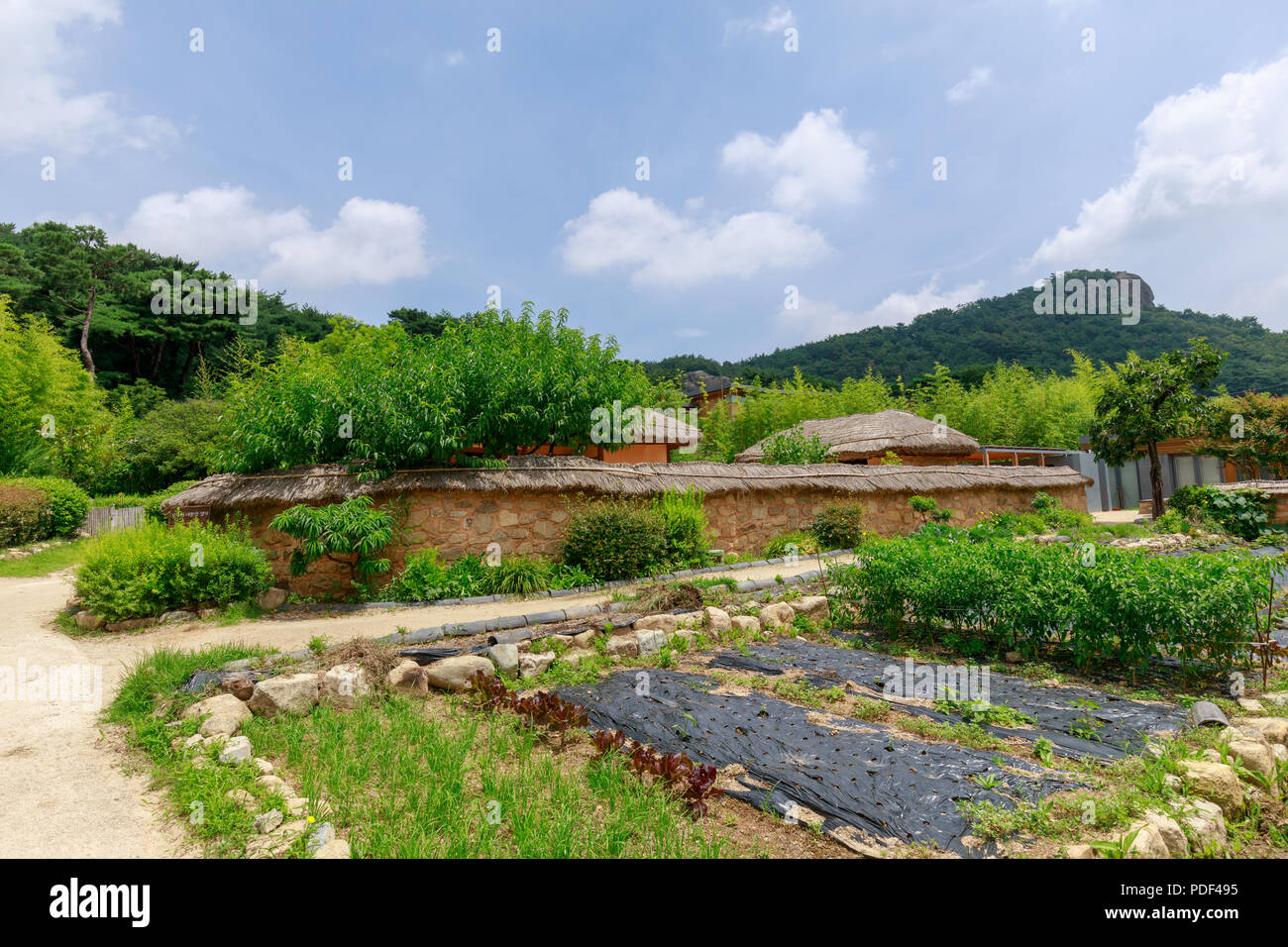
The primary memorial services and the burial took place in Bongha Village, located in Gimhae, South Gyeongsang Province, South Korea.
Why is the funeral still discussed in South Korea today?
The funeral is discussed because it represented a massive convergence of political identity and public emotion. It serves as a reference point for understanding the social and political shifts that have occurred in South Korea since 2009.
As South Korean political history continues to be analyzed by scholars and the public alike, the legacy of the 2009 mourning period remains a subject of ongoing discussion regarding leadership and civic engagement. We will continue to monitor official historical archives and academic studies regarding the long-term social impact of this era.
What are your thoughts on the cultural impact of this historical event? Please share your comments below and share this article with your network.
Related reading