
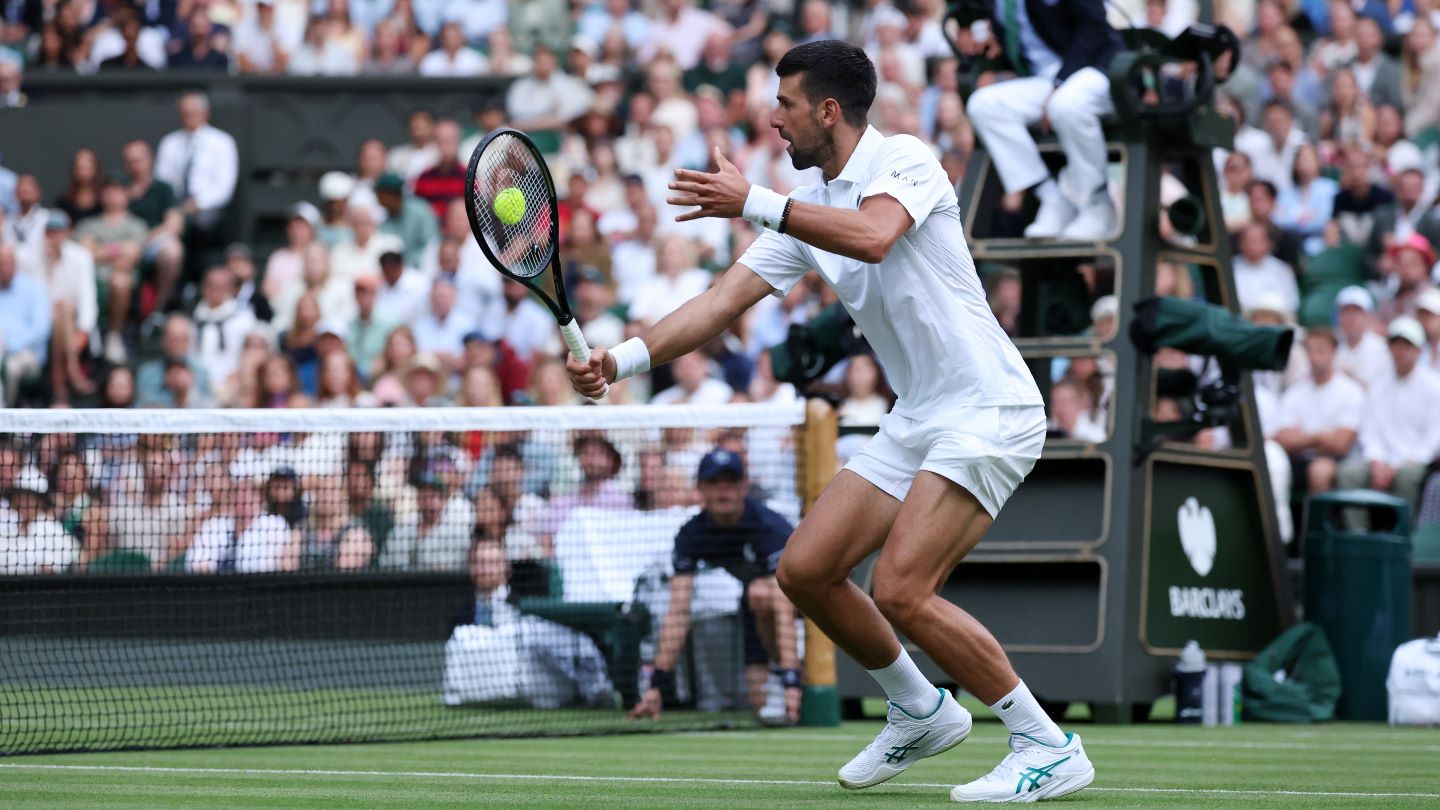
The BBC has secured the exclusive broadcasting rights for The Championships, Wimbledon, through 2028, reaffirming the public service broadcaster’s role as the primary home for the historic tennis tournament. The agreement, announced by the All England Lawn Tennis Club (AELTC), extends a partnership that stands as one of the longest-running in sports broadcasting history, ensuring that the Grand Slam remains free-to-air for audiences across the United Kingdom.
In a rapidly shifting UK sports rights landscape, where subscription-based streaming services and private equity-backed platforms increasingly dominate the market, the BBC’s continued hold on Wimbledon serves as a benchmark for the enduring commercial and cultural value of major national events. The deal ensures comprehensive coverage across BBC television, radio, and digital platforms, maintaining the tournament’s accessibility despite intense competition from global media conglomerates.
The Evolution of Wimbledon’s Broadcasting Strategy
The AELTC has historically prioritized the reach of the BBC over the potentially higher immediate revenue offered by pay-TV operators. By maintaining a free-to-air presence, the tournament preserves its status as a “Crown Jewel” event, a classification under UK law that mandates certain sporting events remain accessible to the general public. According to the Ofcom code on listed events, the protection of such broadcasts ensures that major cultural moments are not gated behind paywalls, a factor that industry analysts suggest significantly enhances the tournament’s brand equity and sponsorship appeal.

This renewal arrives at a time when sports media rights are undergoing significant fragmentation. With the rise of platforms such as Sky Sports, TNT Sports, and various OTT streaming services, the BBC has faced a narrowing portfolio of premium live sports. However, the AELTC’s decision to commit to the BBC through 2028 suggests that the tournament organizers value the broadcaster’s unique ability to generate mass-market engagement and high-volume viewership, which in turn benefits the tournament’s commercial partners and sponsors.
Impact on the UK Sports Rights Landscape
The landscape for sports broadcasting in the UK has become increasingly expensive and competitive. Major rights packages, such as those for the Premier League, have seen significant shifts toward multi-platform delivery, often requiring fans to hold multiple subscriptions to access a full season of matches. In contrast, the Wimbledon agreement reinforces a strategy of “total reach,” where the tournament leverages the BBC’s terrestrial and digital infrastructure to maintain a high profile.

Industry reports from Reuters note that the deal provides the AELTC with stability in a volatile market. By securing a long-term partner, the club avoids the risks associated with the fluctuating fortunes of newer, less-established streaming entities. Furthermore, the BBC’s production standards for tennis—often cited as the gold standard for Grand Slam coverage—ensure that the product remains attractive to a global audience, further justifying the AELTC’s continued alignment with the public broadcaster.
Strategic Value for the BBC
For the BBC, the retention of Wimbledon is a vital component of its sports strategy. As the corporation faces budget pressures and the need to justify the television license fee, holding the rights to a globally recognized, prestigious event helps maintain its relevance among younger demographics and sports enthusiasts. The tournament consistently draws some of the highest viewing figures in the UK sporting calendar.
The digital component of the agreement is particularly significant. As audiences move away from linear television, the BBC’s iPlayer and website have become central to the viewing experience. By integrating live streams, on-demand highlights, and interactive features, the BBC is able to provide a modern, comprehensive service that competes effectively with digital-first platforms. According to internal data released by the BBC, coverage of the tournament frequently sets new records for digital consumption, proving that traditional broadcasters can successfully adapt to shifting viewing habits.
Future Outlook and Next Steps
With the agreement locked until 2028, the focus for both the AELTC and the BBC now shifts to the implementation of new production technologies and the expansion of the tournament’s global reach. The AELTC has recently invested in significant facility upgrades at the All England Club, including the expansion of the qualifying event and the development of new courts, all of which are designed to be showcased through the BBC’s extensive platform.

The next major milestone for this partnership will be the 2025 tournament, where both organizations are expected to debut further enhancements to the viewer experience, including improved data integration and high-definition coverage across all courts. As the industry continues to monitor the impact of streaming services on traditional media, the Wimbledon-BBC model will likely remain a focal point for discussions regarding the future of public service broadcasting in sports.
Readers interested in the latest scheduling and official updates regarding the upcoming tournament can visit the official Wimbledon website for verified information on ticketing, player entries, and broadcast timings.
What are your thoughts on the balance between free-to-air sports and the rise of subscription platforms? Join the conversation in the comments below.