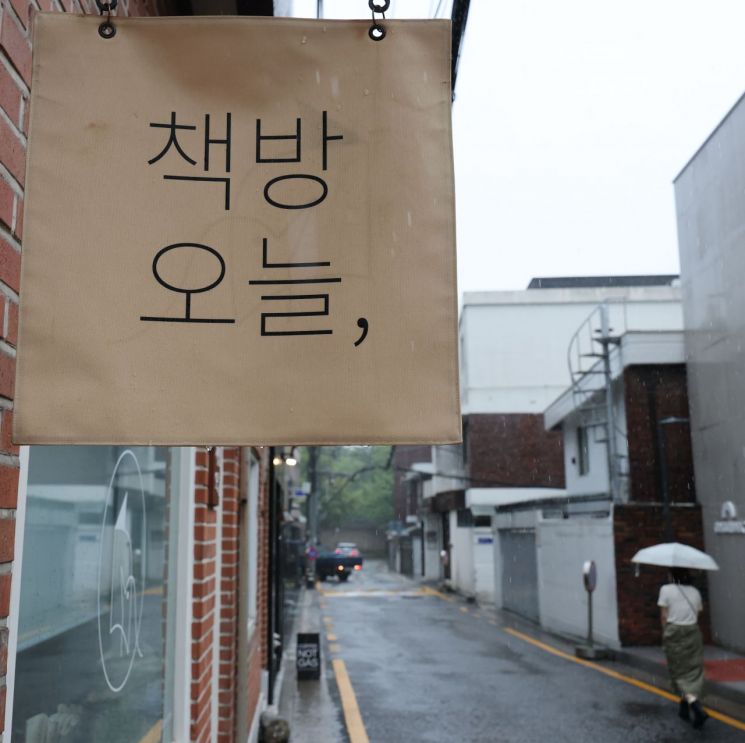
Bookshop Today, an independent bookstore associated with Nobel laureate Han Kang, has closed its doors after eight years of operation. Despite the global surge in attention following Han Kang’s historic win as the first South Korean author to receive the Nobel Prize in Literature in October 2024, the small-scale venue ceased operations due to the systemic challenges facing independent bookstores in South Korea.
The closure of the “ten-pyeong” (approximately 33 square meters) bookstore highlights a stark contrast between the unprecedented literary success of Han Kang and the precarious economic reality of the physical book trade. While the author’s works have seen record-breaking sales globally, the niche independent bookstore model continues to struggle against digitalization and rising operational costs.
Han Kang was awarded the 2024 Nobel Prize in Literature “for her intense poetic prose that confronts historical traumas and exposes the fragility of human life,” according to the Nobel Prize official announcement. This recognition triggered a massive “Han Kang phenomenon” across South Korea, with bookstores reporting depleted stocks of her novels, including The Vegetarian and Human Acts.
The Economic Struggle of Independent Bookstores in South Korea
The closure of Bookshop Today reflects a broader trend in the South Korean publishing market. Independent bookstores, often characterized by curated selections and a focus on community over volume, face intense competition from large retail chains and online platforms. According to reports from South Korean media outlets, including Asia Economy, the scale of these small shops makes them vulnerable to fluctuations in rent and foot traffic, regardless of the prestige associated with the owners or curators.

Industry analysts note that the “Nobel effect” primarily benefits large-scale distributors and publishers who can handle massive print runs and logistics. For a small, independent space like Bookshop Today, the surge in demand for a specific author does not always translate into a sustainable business model if the overhead costs exceed the margins on a limited inventory.
The bookstore’s eight-year run is considered significant for an independent venture in the current climate, where many “concept” bookstores close within their first three years. The decision to close suggests that the structural issues of the independent book trade—such as the lack of government subsidies for small-scale literary spaces and the dominance of algorithmic purchasing—remain unresolved.
Han Kang’s Literary Impact and the ‘Nobel Phenomenon’
The global visibility of Han Kang has reached an all-time high following the Swedish Academy’s decision. In South Korea, this has manifested as a nationwide reading boom. Major bookstores in Seoul reported that Han Kang’s books topped sales charts for weeks, with some titles selling out entirely within hours of the announcement.
However, the closure of Bookshop Today serves as a reminder that literary prestige does not automatically safeguard the physical infrastructure of reading. The “ten-pyeong” space was more than a retail outlet; it was a curated environment meant to foster a specific type of intellectual engagement. Its disappearance marks a loss of a physical touchpoint for readers seeking a curated experience over a commercial transaction.
The South Korean government has previously discussed measures to support small bookstores through the Ministry of Culture, Sports and Tourism, but critics argue these measures often focus on “tourism-friendly” bookstores rather than those serving as genuine literary hubs.
The Future of Curated Reading Spaces
As Bookshop Today closes, the conversation in South Korea is shifting toward how to preserve “slow” reading spaces in an era of rapid consumption. The loss of a bookstore linked to a Nobel laureate emphasizes that neither fame nor critical acclaim can fully offset the economic pressures of the modern retail landscape.

For readers and collectors, the closure means the end of a specific curated archive. The bookstore had operated as a sanctuary for literature, emphasizing the tactile and atmospheric quality of reading—elements that cannot be replicated by the e-commerce platforms that are currently dominating the market.
The next milestone for the South Korean literary community will be the continued integration of Han Kang’s works into global curricula and the potential for new, more sustainable models of independent publishing and retail that can survive the volatility of the current economy.
Readers are encouraged to share their thoughts on the survival of independent bookstores and the impact of the Nobel Prize on local literary culture in the comments below.