aerial radiation Monitoring Over San Francisco: Protecting Major Events
In a proactive measure to ensure public safety, the National Nuclear Security Management (NNSA) deployed an aerial radiation monitoring aircraft over the San Francisco Bay Area this week. This routine operation, conducted by the NNSA’s Aerial Measuring System (AMS), is a standard precaution taken before large public gatherings, such as major sporting events and political conventions, to detect any potential radiological threats. The recent monitoring occurred in anticipation of events in the region and is part of a long-standing program dating back to the Cold War.
The Aerial Measuring System (AMS) and its Mission
The AMS is a fleet of specialized aircraft operated by the NNSA, a semi-autonomous agency within the U.S. Department of Energy. Its primary mission is to detect and assess potential nuclear or radiological emergencies, both domestically and internationally. The system provides rapid response capabilities, deploying to incidents worldwide as part of the Nuclear Emergency Support Team (NEST). NNSA NEST
How AMS Aircraft Work
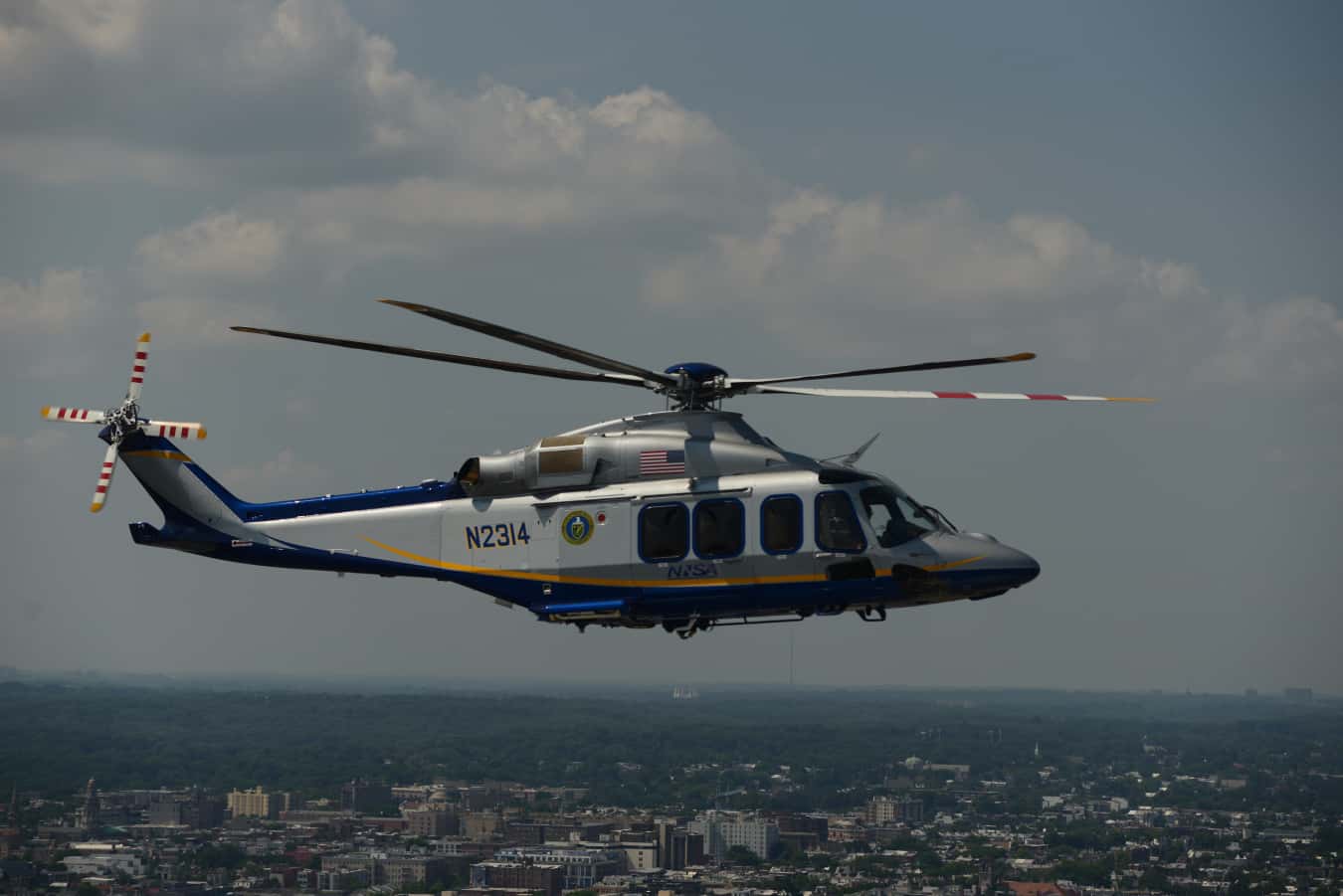
AMS aircraft are equipped with elegant sensors capable of detecting and measuring various types of radiation. These sensors create a detailed “radiation map” of the surveyed area,displaying radiation levels in colour-coded formats. Normal background radiation levels are typically represented in green, with variations indicated by shades of yellow and perhaps red for elevated levels. The data collected is transmitted in real-time to a central command center for analysis. The aircraft used include Beech BN-350ERs and Bell 412 helicopters, alongside the leonardo AW139 observed recently over San Francisco.
Recent Activity: “Energy 14” Over the Bay Area
On February 5, 2026, a Leonardo AW139 helicopter, tail number N2314 and callsign “Energy 14,” conducted low-altitude surveys over the San Francisco Bay Area. NBC Bay Area reported on the unusual flight patterns, noting the aircraft’s movements resembled those of a submarine hunter. The helicopter flew over San Francisco, San Jose, and the surrounding areas, including near Levi’s Stadium. This activity is consistent with pre-event monitoring procedures.
Historical Context: From Cold War Testing to Modern Safeguards
The origins of the AMS can be traced back to the late 1950s, when the U.S.Department of Energy began conducting aerial monitoring of nuclear weapons testing in the Nevada desert. As above-ground testing ceased, the program evolved to focus on broader surveillance and emergency response. The experience gained during the Cold War has been instrumental in developing the AMS into the highly capable system it is indeed today.
Data Sharing and Collaboration
The data collected by AMS aircraft is not solely for federal use. It is shared with state and local emergency management agencies, scientists, and other relevant stakeholders. This collaborative approach ensures a comprehensive understanding of the radiological habitat and facilitates a coordinated response in the event of an incident. U.S. Department of Energy AMS page
Frequently Asked Questions (FAQ)
- Why are these flights conducted? These flights are a precautionary measure to ensure public safety before large events, providing a baseline radiation assessment.
- Is there a threat? The flights are not in response to a specific threat, but rather a proactive step to maintain security.
- What does the AMS measure? The AMS measures various types of radiation, including gamma and neutron radiation.
- Are these flights common? Yes,AMS flights are routinely conducted before major events like presidential inaugurations,political conventions,and the Super Bowl.
Key Takeaways
- The NNSA’s Aerial Measuring System (AMS) provides critical radiation monitoring capabilities.
- AMS aircraft are deployed proactively before large public events.
- The program has a long history dating back to the Cold War.
- Data collected is shared with state and local authorities.
The NNSA’s ongoing commitment to aerial radiation monitoring demonstrates a dedication to safeguarding public health and security. As large-scale events continue to be held across the contry, the AMS will remain a vital component of the nation’s preparedness efforts, providing a crucial layer of protection against potential radiological threats.
Keep reading