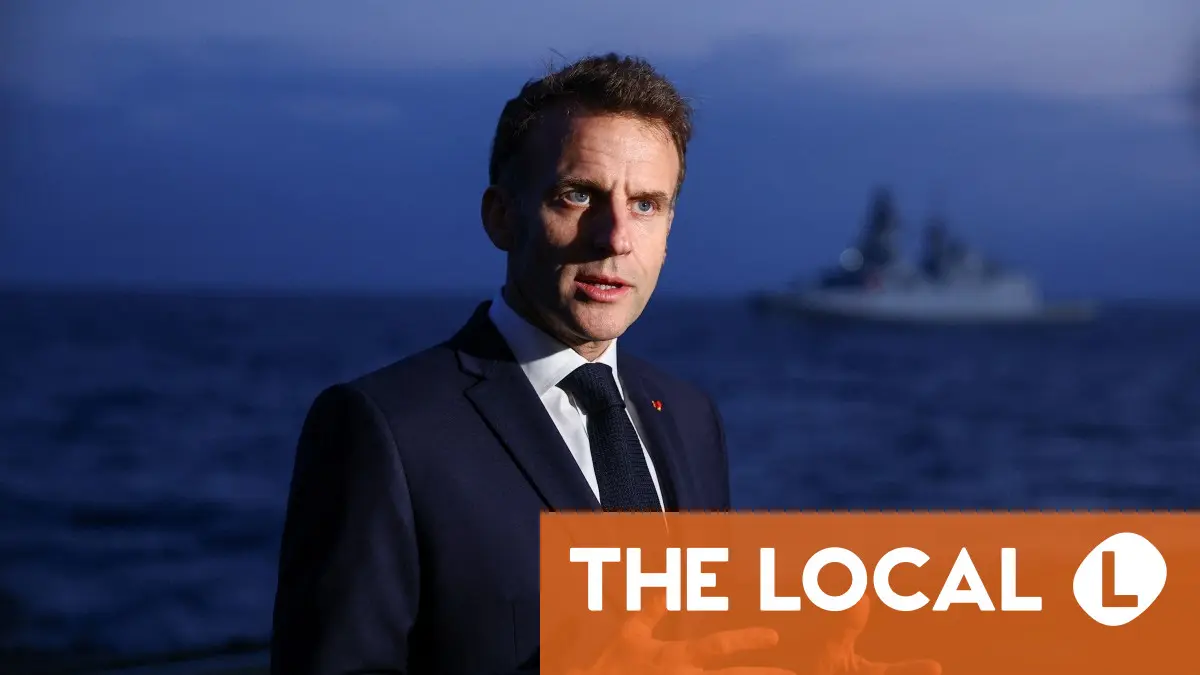
Paris, France – As geopolitical tensions escalate in the Middle East, a summit aimed at bolstering civilian nuclear power is set to open in Paris on Tuesday. The meeting, convened by French President Emmanuel Macron, comes amid a renewed focus on energy security and the diversification of energy sources, highlighted by recent conflicts impacting global fossil fuel supplies. Representatives from approximately 40 countries and international organizations are expected to participate, exploring the potential for nuclear energy to play a larger role in a sustainable energy future.
The timing of the summit is particularly noteworthy, occurring against a backdrop of instability in the Middle East. While the immediate impetus for the meeting predates the recent escalation of conflict, the events underscore the vulnerabilities associated with reliance on fossil fuels and the strategic importance of secure, reliable energy sources. The discussions are expected to center on the development of new nuclear technologies, safety protocols and the responsible management of nuclear waste, as well as addressing concerns about nuclear proliferation.
Renewed Interest in Nuclear Energy
Interest in nuclear power has experienced a resurgence in recent years, driven by growing concerns about climate change and the need to reduce carbon emissions. Following setbacks after the 2011 Fukushima Daiichi nuclear disaster in Japan, which reinforced anxieties stemming from the 1986 Chernobyl disaster, the nuclear industry faced significant public skepticism and regulatory hurdles. However, the urgency of meeting global climate goals and ensuring energy independence has prompted a reassessment of nuclear energy’s potential.
Currently, nuclear power accounts for roughly 10% of global electricity generation, with approximately 440 reactors operating in around 30 countries, according to the World Nuclear Association. The International Atomic Energy Agency (IAEA) and the International Energy Agency (IEA) are co-sponsoring the Paris summit, reflecting a growing consensus on the need to explore nuclear energy as part of a diversified energy mix. The IAEA has suggested that nuclear power generation could potentially double by 2050, contingent on significant investment and technological advancements.
Geopolitical Considerations and Key Participants
The summit’s participant list reflects the complex geopolitical landscape surrounding nuclear energy. Both the United States and China are sending delegations, signaling their continued commitment to nuclear power development. However, Russia’s participation is notably absent due to its ongoing invasion of Ukraine and resulting international sanctions. This exclusion underscores the political dimensions of energy security and the challenges of international cooperation in a fractured geopolitical environment.
France, a long-standing proponent of nuclear energy, currently relies on nuclear power for approximately 70% of its electricity generation. President Macron has been a vocal advocate for a “nuclear renaissance” in Europe, emphasizing the need for energy sovereignty and a transition towards cleaner energy sources. The French government is investing heavily in the development of next-generation nuclear reactors, including small modular reactors (SMRs), which are seen as a potentially safer and more cost-effective alternative to traditional large-scale reactors.
China’s Expanding Nuclear Capacity
China is currently the world’s largest builder of nuclear reactors, with 57 reactors already in operation and another 29 under construction, as of early 2026. This rapid expansion reflects China’s ambitious energy goals and its commitment to reducing its reliance on coal. The country is also actively developing advanced nuclear technologies, including thorium-based reactors and fast breeder reactors, which could further enhance its nuclear capabilities. According to IAEA Director General Rafael Grossi, approximately 40 countries have either initiated nuclear reactor construction or expressed interest in doing so.
European Energy Sovereignty and the Role of Nuclear
The conflict in Ukraine has underscored the vulnerability of European energy supplies and the need to diversify energy sources. Fatih Birol, the IEA’s Executive Director, has emphasized the importance of strengthening energy sovereignty in Europe through a combination of renewable energy sources – including solar and wind – and a “strong comeback for nuclear power.” Several European countries, including France, are actively exploring options for expanding their nuclear capacity to reduce their dependence on imported fossil fuels.
Recent events, including a drone strike on Cyprus, have also prompted increased security concerns in the region. France has dispatched a warship, the Languedoc, to waters off Cyprus to bolster the island nation’s defenses, and is expected to deploy ground-based anti-drone and anti-missile systems. The Charles de Gaulle aircraft carrier is also en route to the Eastern Mediterranean, demonstrating France’s commitment to regional security and its willingness to protect allied assets. French President Macron met with Cypriot President Nikos Christodoulides and Greek Prime Minister Kyriakos Mitsotakis on Monday to discuss regional developments and coordinate security measures.
Addressing Safety Concerns and Nuclear Waste Management
Despite the growing interest in nuclear energy, concerns about safety and nuclear waste management remain significant hurdles. The Fukushima and Chernobyl disasters highlighted the potential for catastrophic accidents and the long-term environmental consequences of nuclear contamination. Addressing these concerns requires robust safety regulations, advanced reactor designs, and effective waste disposal solutions.
The development of advanced reactor technologies, such as SMRs and Generation IV reactors, is aimed at improving safety and reducing the risk of accidents. These reactors incorporate passive safety features and are designed to be more resilient to external events. However, the long-term storage and disposal of nuclear waste remain a major challenge. Currently, most nuclear waste is stored on-site at reactor facilities, but the search for permanent geological repositories continues.
Looking Ahead: The Future of Nuclear Power
The Paris summit represents a critical opportunity to chart a course for the future of nuclear energy. The discussions are expected to focus on fostering international cooperation, promoting innovation, and addressing the challenges associated with safety, security, and waste management. The outcome of the summit could have significant implications for global energy policy and the fight against climate change.
The success of the summit will depend on the willingness of participating countries to overcome political differences and prioritize the common goal of a sustainable energy future. The need for a diversified energy mix, coupled with the urgency of reducing carbon emissions, is driving a renewed interest in nuclear power. However, realizing the full potential of nuclear energy will require sustained investment, technological advancements, and a commitment to responsible stewardship.
Key Takeaways
- The Paris summit signals a renewed global interest in civilian nuclear power as a key component of a diversified energy mix.
- Geopolitical tensions, particularly in the Middle East, are highlighting the importance of energy security and independence.
- China is rapidly expanding its nuclear capacity, while Russia’s participation in international nuclear initiatives is limited due to the war in Ukraine.
- Addressing safety concerns and developing effective nuclear waste management solutions remain critical challenges.
- European countries are increasingly focused on strengthening their energy sovereignty through a combination of renewable energy and nuclear power.
The next key development to watch will be the release of a joint statement following the conclusion of the Paris summit on Tuesday, outlining the commitments and priorities of participating nations. World Today Journal will continue to provide comprehensive coverage of this evolving story. Share your thoughts and perspectives on the future of nuclear energy in the comments below.