Accelerating Aerospace & Energy Innovation with AI-Powered Physics
The future of aerospace and energy is being rapidly reshaped by the convergence of accelerated computing and artificial intelligence. Companies are now leveraging AI-driven physics to dramatically speed up design cycles, optimize performance, and unlock new levels of efficiency. This isn’t just about faster simulations; it’s about fundamentally changing how engineering is done.
Revolutionizing Spacecraft & Vehicle Design
Traditionally, designing complex systems like spacecraft thruster nozzles or next-generation space vehicles involved painstaking iterations of simulations and physical testing. Now, AI is changing that.
* Northrop Grumman and Luminary Cloud are collaborating to accelerate spacecraft thruster nozzle design using high-speed computational fluid dynamics. leveraging NVIDIA CUDA-X-accelerated solvers and the NVIDIA PhysicsNeMo platform, they’ve created surrogate nozzle models capable of rapidly exploring thousands of design options.
* Blue Origin is employing NVIDIA PhysicsNeMo and advanced AI modeling to design the next generation of space vehicles. This allows them to quickly assess potential designs, than validate the most promising candidates with high-fidelity simulations.
Essentially, these advancements allow engineers to move beyond incremental improvements and explore truly innovative solutions. You can now rapidly iterate and optimize designs in ways previously unimaginable.
The Power of GPU Acceleration in Computational Engineering
These breakthroughs build upon a long history of leveraging GPU acceleration to advance simulation.It’s a trend that’s transforming industries.
* Cadence is pioneering real-time simulation in aerospace with its Fidelity computational fluid dynamics platform, powered by NVIDIA CUDA-X libraries.
* Their Millennium M2000 supercomputer enables leading aerospace manufacturers to quickly build the large-scale AI training datasets needed for interactive design exploration and optimization.
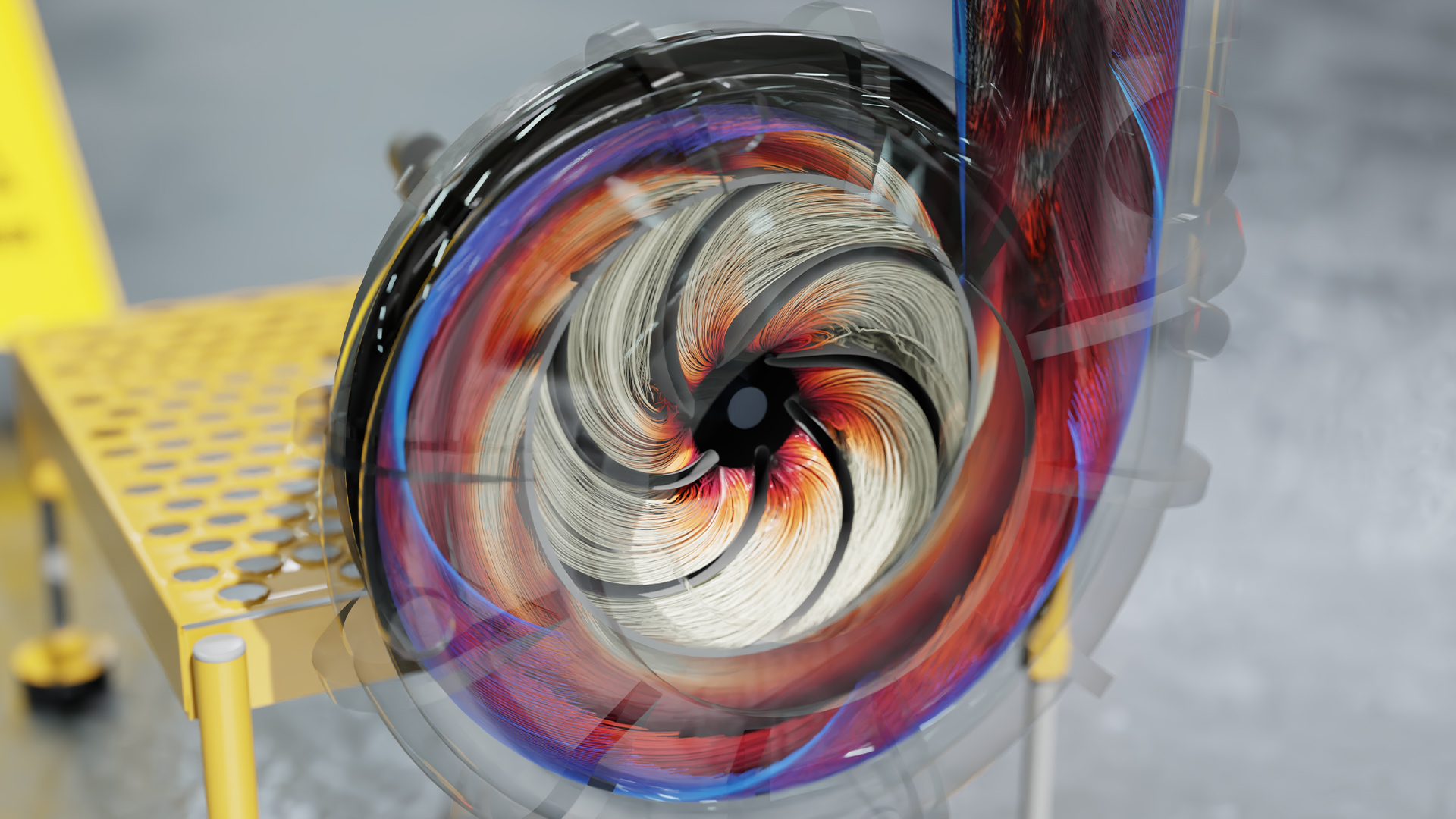
* A global energy leader utilized cadence Fidelity LES Solver and NVIDIA Grace Blackwell-accelerated simulation platforms to drastically reduce design cycles and optimize turbine performance. This resulted in greater efficiency, reduced emissions, and improved reliability for next-generation energy systems.
Why This Matters to You
What does this mean for your work? It means:
- Faster Time to Market: You can bring innovative products to market quicker than ever before.
- Reduced Costs: Optimized designs and streamlined workflows translate to meaningful cost savings.
- Enhanced Performance: AI-driven physics allows you to push the boundaries of performance and efficiency.
- Greater Innovation: Explore a wider design space and unlock solutions you never thought possible.
Looking Ahead
The integration of AI and physics-based simulation is still in its early stages, but the potential is enormous.As these technologies continue to evolve, we can expect even more dramatic breakthroughs in aerospace, energy, and beyond.
To learn more about these advancements, explore resources from recent events and delve deeper into the technology. You can find valuable insights from keynotes and sessions dedicated to this exciting field.
Keep reading