
Nvidia has officially expanded the reach of its Deep Learning Super Sampling (DLSS) technology, adding support for a new wave of titles including the critically acclaimed Control: Ultimate Edition and other high-fidelity games. This update aims to leverage artificial intelligence to boost frame rates and enhance image quality for players using compatible GeForce RTX graphics cards, according to the latest official updates from Nvidia.
For gamers, this expansion means that titles previously demanding significant hardware overhead can now run more smoothly at higher resolutions. By utilizing dedicated Tensor Cores found in RTX-series GPUs, DLSS reconstructs lower-resolution images into high-resolution outputs, effectively reducing the load on the graphics processor while maintaining visual fidelity. As a technologist who has closely followed the evolution of GPU architecture, it is clear that this shift toward software-driven performance optimization has become the industry standard for modern PC gaming.
How DLSS Technology Enhances Gaming Performance
At its core, DLSS—or Deep Learning Super Sampling—is an image reconstruction technique that uses a deep learning neural network. Unlike traditional upscaling methods which often result in blurry textures or jagged edges, Nvidia’s approach trains an AI model on super-high-resolution images. According to Nvidia’s technical documentation, the system learns to generate high-quality frames from lower-resolution inputs in real-time, allowing for significant gains in frames per second (FPS) without sacrificing the crispness of the game’s environment.

The inclusion of games like Control into this ecosystem is particularly significant because of the title’s heavy reliance on ray tracing. Ray tracing, which simulates the physical behavior of light, is notoriously taxing on hardware. By pairing ray tracing with DLSS, players can enjoy realistic lighting and reflections while maintaining a stable frame rate, effectively bridging the gap between high-end graphical features and playable performance.
Integration Across the Gaming Library
The rollout of DLSS support is not limited to a single genre. Nvidia has been systematically working with developers to integrate this feature into a broad spectrum of titles, ranging from competitive shooters to expansive open-world RPGs. The strategy follows a broader industry trend where hardware manufacturers provide software development kits (SDKs) to game studios, simplifying the implementation process for complex AI features.
This cooperative model between hardware vendors and game studios is essential for the longevity of consumer graphics cards. By providing software updates that improve performance for existing hardware, companies like Nvidia can extend the useful life of their products. As noted in recent developer resources provided by Nvidia, the ease of integration for developers has been a key factor in the rapid adoption of the technology across the gaming industry.
Impact on the Future of PC Hardware
The reliance on AI-driven upscaling signals a fundamental change in how we perceive hardware power. Historically, gaming performance was tethered strictly to raw computational throughput. Today, the ability of a GPU to process AI instructions is just as critical as its traditional rasterization power. This shift has significant implications for both casual users and enthusiasts who look to upgrade their systems based on longevity and future-proofing.
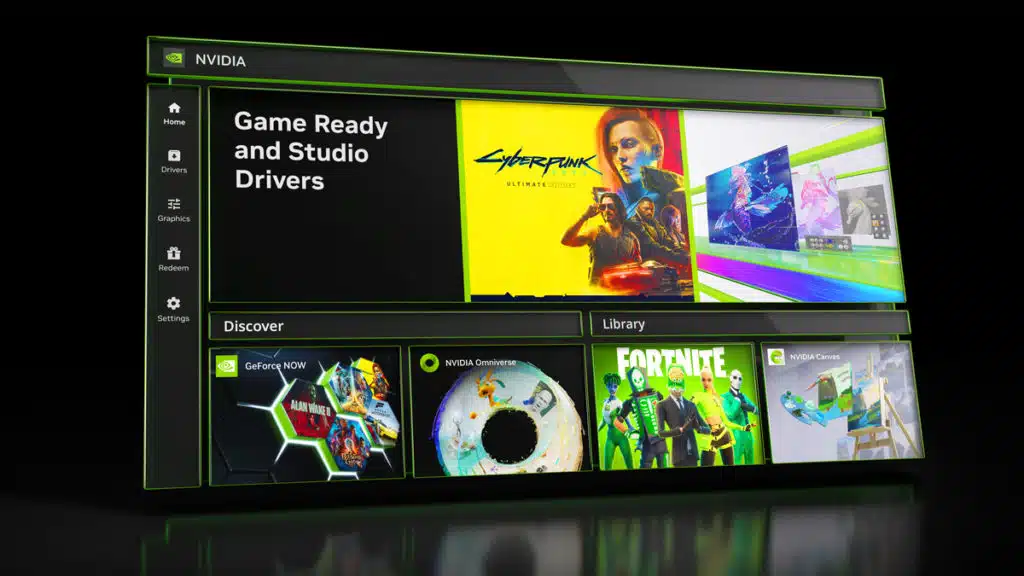
For those looking to check if their favorite games support these features, Nvidia maintains a centralized database of RTX-enabled titles. It is recommended that players keep their GeForce Experience software updated to the latest driver version to ensure compatibility with the newest DLSS implementations as they are released.
Understanding the Hardware Requirements
It is important to note that DLSS is hardware-dependent. The technology requires specific Nvidia hardware equipped with Tensor Cores, which are found in the GeForce RTX 20, 30, and 40 series cards. Users with older GTX-series cards or hardware from other manufacturers will not be able to utilize DLSS, as these chips lack the dedicated AI-processing units required to run the neural network in real-time.

For players considering an upgrade, the decision often comes down to the balance between raw performance and the added benefits of software features like DLSS and Reflex. As the ecosystem continues to grow, the value proposition of these AI-enhanced features is likely to become a primary consideration for the global gaming community.
The next major update regarding driver compatibility and new game support is expected to be released by Nvidia in the coming months, in line with their standard cadence of software releases. We encourage our readers to check the official GeForce website for the latest patch notes and to share their experiences with these performance improvements in the comments below.
Worth a look