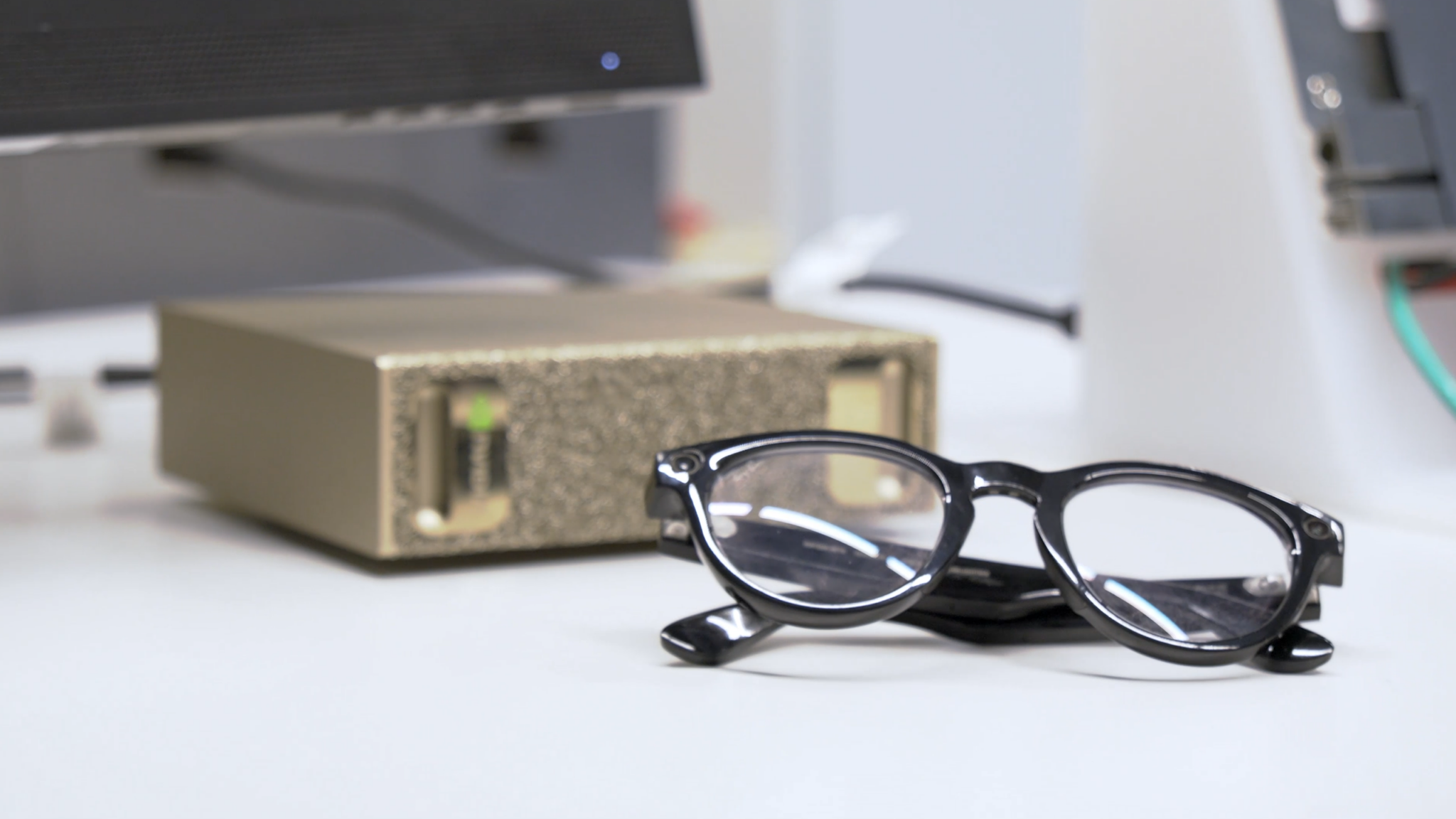
NVIDIA has officially released its NVIDIA XR AI development framework into public beta, providing software engineers with the necessary tools to integrate multimodal artificial intelligence agents into augmented reality (AR) glasses and extended reality (XR) hardware. According to the company’s official developer documentation, the platform is designed to bridge the gap between high-level generative AI models and the low-latency requirements of wearable display devices.
The framework functions by enabling AR devices to process visual and auditory data in real-time, allowing AI agents to “see” the user’s environment and provide context-aware assistance. By leveraging NVIDIA’s existing AI infrastructure, the toolkit aims to reduce the computational burden on mobile chipsets, which has historically been a significant barrier to the widespread adoption of lightweight, smart eyewear. This development marks a transition in the industry toward edge-based AI, where processing tasks are distributed between the headset and cloud-connected servers.
How NVIDIA XR AI Functions for Developers
The core of the new framework lies in its ability to handle multimodal inputs—meaning the AI can simultaneously analyze video feeds from front-facing cameras, ambient microphone audio, and user-defined spatial anchors. As detailed in the NVIDIA AI computing overview, the system utilizes a modular architecture that allows developers to swap out large language models (LLMs) or vision-language models (VLMs) depending on the specific requirements of the application. This flexibility is intended to assist in tasks ranging from real-time language translation to complex object recognition in industrial or consumer settings.
For developers, the framework provides pre-built APIs that manage the synchronization between the physical world and the digital overlay. By standardizing these inputs, NVIDIA intends to minimize the latency that often causes motion sickness or visual jitter in AR experiences. The beta release includes documentation on integrating these agents with existing XR SDKs, effectively creating a standardized pipeline for developers to deploy AI-driven interfaces that respond to natural language commands and gesture-based interactions.
Addressing Technical Challenges in Smart Eyewear
One of the primary hurdles for AR hardware has been the trade-off between device weight and battery life. Because high-performance AI processing requires significant power, most current-generation glasses rely on tethered connections to smartphones or external compute pucks. According to industry analysis from Reuters regarding the AI chip landscape, NVIDIA’s strategy involves optimizing AI inference tasks to run more efficiently on smaller form factors, which is essential for the consumer electronics market.
The NVIDIA XR AI framework attempts to mitigate these issues by offloading heavy inference to edge servers while keeping time-sensitive spatial tracking local to the device. This “hybrid” approach is a departure from previous iterations of AR software that attempted to pack all processing power directly into the frames. By providing developers with the backend infrastructure to manage this split, NVIDIA is attempting to set a new standard for how AR devices handle complex AI workloads without compromising user mobility.
What Happens Next for the XR Industry
The public beta phase serves as a testing ground for hardware manufacturers and software developers to refine their applications before a wider commercial rollout. Industry observers anticipate that this framework will be utilized primarily by enterprise developers initially, focusing on fields such as remote technical assistance, medical training, and logistics. Because the framework is built on open standards, it is expected to be compatible with a range of existing XR headsets, provided they meet the minimum hardware requirements for camera and sensor data throughput.
NVIDIA has not yet announced a specific date for the transition from beta to a general-availability release. Developers interested in accessing the toolkit can find the beta resources through the NVIDIA Developer portal, where the company maintains a repository of technical guides and community support forums. As the beta progresses, the company is expected to release patches and feature updates based on developer feedback regarding stability and performance across different hardware configurations.
The integration of multimodal AI into AR is widely viewed as a critical step toward the realization of ambient computing, where digital information is seamlessly overlaid onto the user’s field of view. Whether this framework will successfully standardize the industry remains to be seen, but the availability of these tools provides a clear roadmap for companies looking to move beyond simple screen-mirroring toward truly intelligent, wearable assistants. We encourage our readers to share their thoughts on the future of AR and AI in the comments section below.
Keep reading