The New York City Department of Health has confirmed an outbreak of Legionnaires’ disease, with 23 cases reported in the Carnegie Hill and surrounding neighborhoods as of late July 2024. The agency is investigating potential sources of the bacterial infection, which is transmitted through inhalation of contaminated water droplets. Officials emphasize that while the majority of cases are mild, the illness can lead to severe pneumonia, particularly in individuals with weakened immune systems or underlying health conditions.
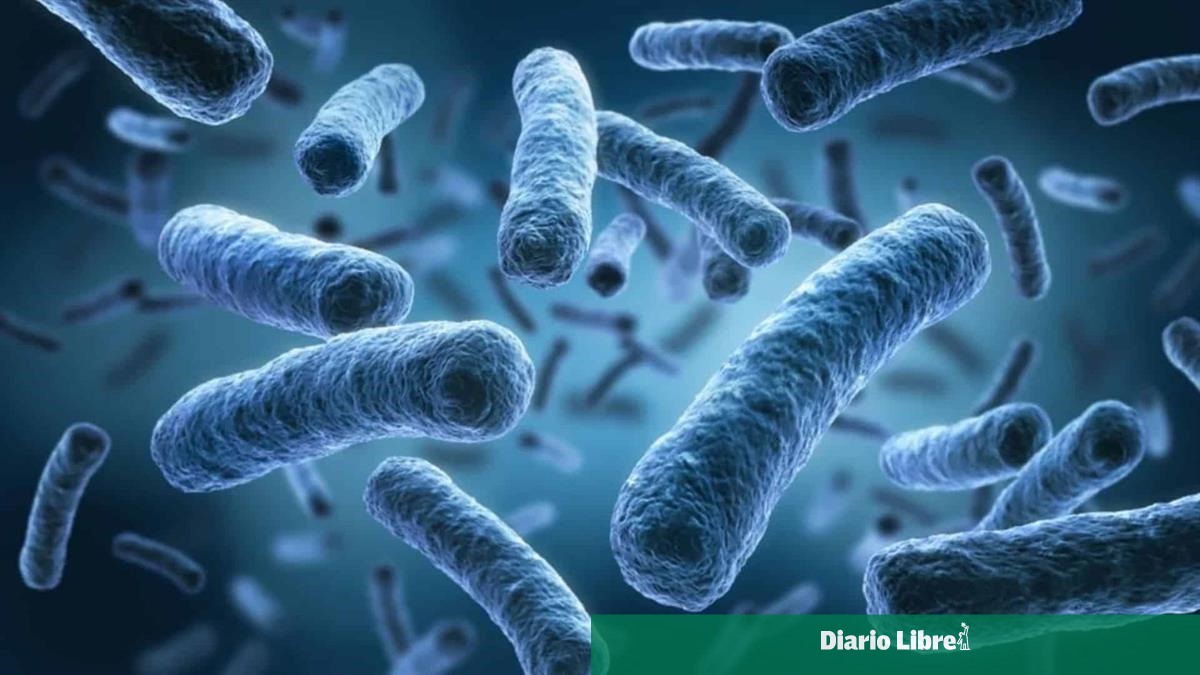
Legionnaires’ disease, caused by the bacterium *Legionella*, is a form of pneumonia that typically affects the lungs. Symptoms include fever, cough, shortness of breath, and muscle aches, with onset usually 2 to 10 days after exposure. The Centers for Disease Control and Prevention (CDC) reports that approximately 8,000 to 18,000 cases are diagnosed annually in the United States, with a fatality rate of around 10%. Outbreaks are often linked to contaminated water systems, such as cooling towers, hot tubs, and plumbing systems.
Health Department Response and Investigation
Dr. Maryanne Demasi, Director of the New York City Department of Health, stated in a press briefing that “we are conducting a thorough investigation to identify the source of the outbreak and implement measures to prevent further cases.” The health department has deployed teams to inspect buildings in the affected areas, focusing on water systems that could harbor *Legionella* bacteria. “We are working closely with local authorities and public health experts to ensure the safety of residents,” Demasi added.

Residents in the affected neighborhoods, including parts of the Upper East Side and Midtown Manhattan, have been advised to avoid exposure to aerosolized water, such as from fountains, showers, or humidifiers. The health department also recommended that individuals with chronic respiratory conditions, older adults, and smokers should exercise caution and consult healthcare providers if symptoms arise.
Historical Context and Outbreak Trends
Legionnaires’ disease outbreaks are not uncommon in urban environments. In 2015, a major outbreak in the South Bronx linked to a contaminated cooling tower resulted in 12 deaths and over 100 hospitalizations. Since then, New York City has implemented stricter regulations for the maintenance of water systems, including mandatory inspections and disinfection protocols for cooling towers and other potential sources.
According to the New York State Department of Health, the 2024 outbreak is the first significant cluster of cases in the city since 2019. Public health officials note that the current cases are geographically concentrated, suggesting a localized source. However, the exact origin remains under investigation, with the health department releasing no definitive findings as of late July 2024.
Public Health Recommendations and Next Steps
The CDC advises that individuals experiencing symptoms of Legionnaires’ disease should seek medical attention promptly. Treatment typically involves antibiotics, and early intervention improves outcomes. For those at higher risk, the agency recommends avoiding environments where *Legionella* might thrive, such as poorly maintained water systems.

As the investigation continues, the New York City Health Department has scheduled a public meeting on August 5, 2024, to provide updates and address community concerns. Residents are encouraged to visit the city’s health department website for the latest information and guidance. “Transparency is critical in these situations,” said Dr. Demasi. “We are committed to keeping the public informed as we work to resolve this issue.”
For now, the focus remains on identifying the source of the outbreak and preventing further cases. With a combination of public awareness, regulatory oversight, and medical intervention, health officials aim to mitigate the impact of the disease and protect the city’s residents.
Residents are urged to stay vigilant and report any suspected cases to local health authorities. Updates on the outbreak will be shared through official channels, including the New York City Department of Health’s website and social media platforms.