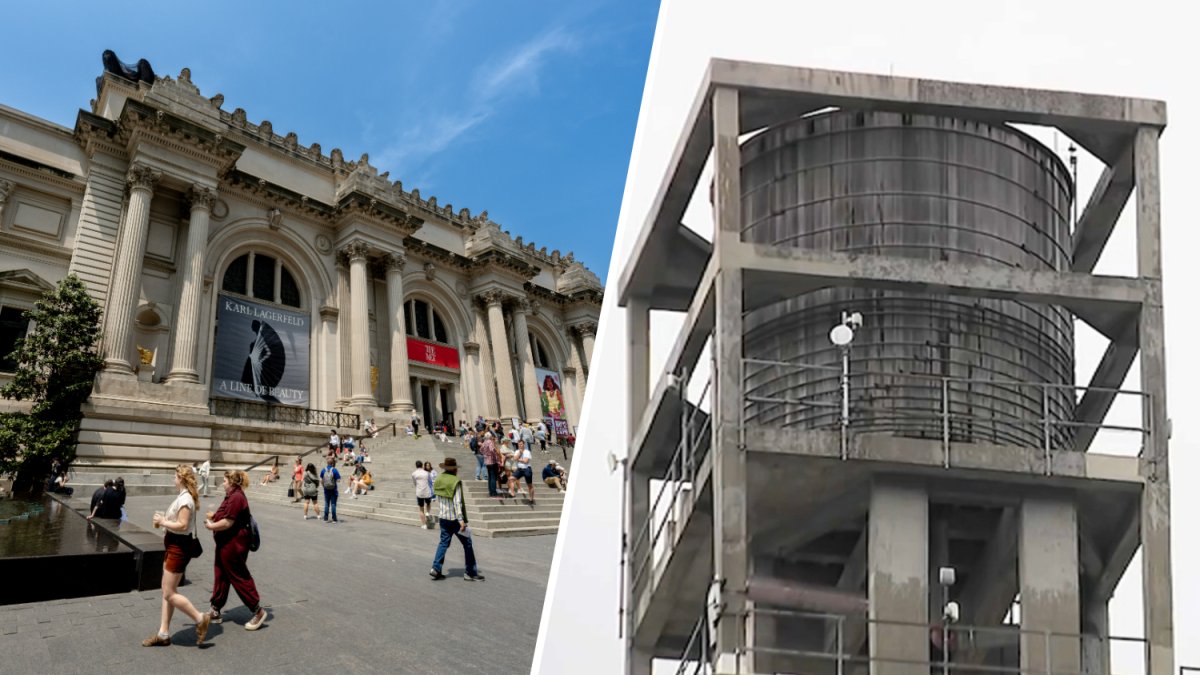
New York City health officials report that the rate of new diagnoses in an Upper East Side Legionnaires’ disease outbreak is slowing, though the total case count has reached 60. While the Metropolitan Museum of Art and dozens of other buildings tested positive for the bacteria, city investigators have not yet pinpointed the primary source of the infection, according to Health Commissioner Dr. Alister Martin.
The outbreak, which was first identified on July 2, has primarily affected three residential ZIP codes in Manhattan. According to Dr. Martin, 49 patients required hospitalization, with 34 having returned home. No deaths have been reported in this specific cluster, a contrast to an outbreak in the Harlem neighborhood last year that resulted in seven deaths and over 100 illnesses.
Recent data suggests the peak of the outbreak may have passed. Dr. Martin stated during a virtual news briefing on Tuesday that only two new cases were diagnosed from samples taken Sunday and Monday, whereas earlier samples showed as many as 11 new cases per day. “All of these things together paint an encouraging sign,” Martin said.
Cooling Tower Inspections and the Metropolitan Museum of Art
The city has completed inspections of all 183 cooling towers within the affected area. Approximately 75 of these towers returned positive results during first-round testing, which detects the presence of bacteria but does not distinguish between live and dead organisms. The Metropolitan Museum of Art was included on the list of buildings with positive tests released by the city on Tuesday.
In response, the museum canceled its few scheduled activities on Wednesday—a day it is typically closed—to facilitate a required cleanup and follow-up testing. Other locations that previously tested positive include the Guggenheim Museum, private schools, and residential apartment houses on Park and Fifth Avenues.
Dr. Martin noted a shift in city protocol for this outbreak: the Health Department ordered immediate cleanups—consisting of draining and disinfecting the towers—without waiting for second-round tests to confirm live bacteria. These secondary tests typically take about two weeks to process. Most affected buildings have already completed the disinfection process, and the city expects the remaining sites to finish by Thursday.
Understanding Legionnaires’ Disease Risks
Legionnaires’ disease is a form of pneumonia caused by Legionella bacteria. According to the U.S. Humans contract the disease by inhaling tiny, contaminated water droplets; the illness does not spread from person to person.
While the disease is treatable, it is fatal in about 10% of cases, according to the U.S. Centers for Disease Control and Prevention.
Political Pressure and Public Disclosure
The Health Department’s handling of the outbreak has faced scrutiny from City Council Speaker Julie Menin, a Democrat and resident of the Upper East Side, who complained on Monday that the department wasn’t doing and disclosing enough. A message seeking comment was sent Tuesday to Menin’s office.
The investigation expanded to encompass three heavily residential ZIP codes. City officials will continue to monitor new case reports and finalize the disinfection of the remaining cooling towers by Thursday.
Do you live or work in the affected Upper East Side ZIP codes? Share your experience or questions in the comments below.
Worth a look
- PSX Rebounds: KSE-100 Index Surges as Trump Shifts Hormuz Policy and US Inflation Eases
- House GOP Struggles to Advance $80B Reconciliation Bill Amid Internal Revolts
- DRC Ebola Outbreak Projected to Be Four Times Higher Than Official Count (archyworldys.com)
- Third ICE-Related Death Reported After Florida Fatality (world-today-news.com)