
New York City Mayor Zohran Mamdani has confirmed he will not attend the annual Celebrate Israel Parade this Sunday, marking a notable departure from a long-standing political tradition in the nation’s largest city. For decades, the event—which draws thousands of participants to Manhattan’s Fifth Avenue—has served as a primary platform for mayors, governors, and federal officials to demonstrate support for the state of Israel. However, Mayor Mamdani, who has maintained a consistent focus on Palestinian rights throughout his tenure, stated that his decision aligns with positions he articulated during his campaign.
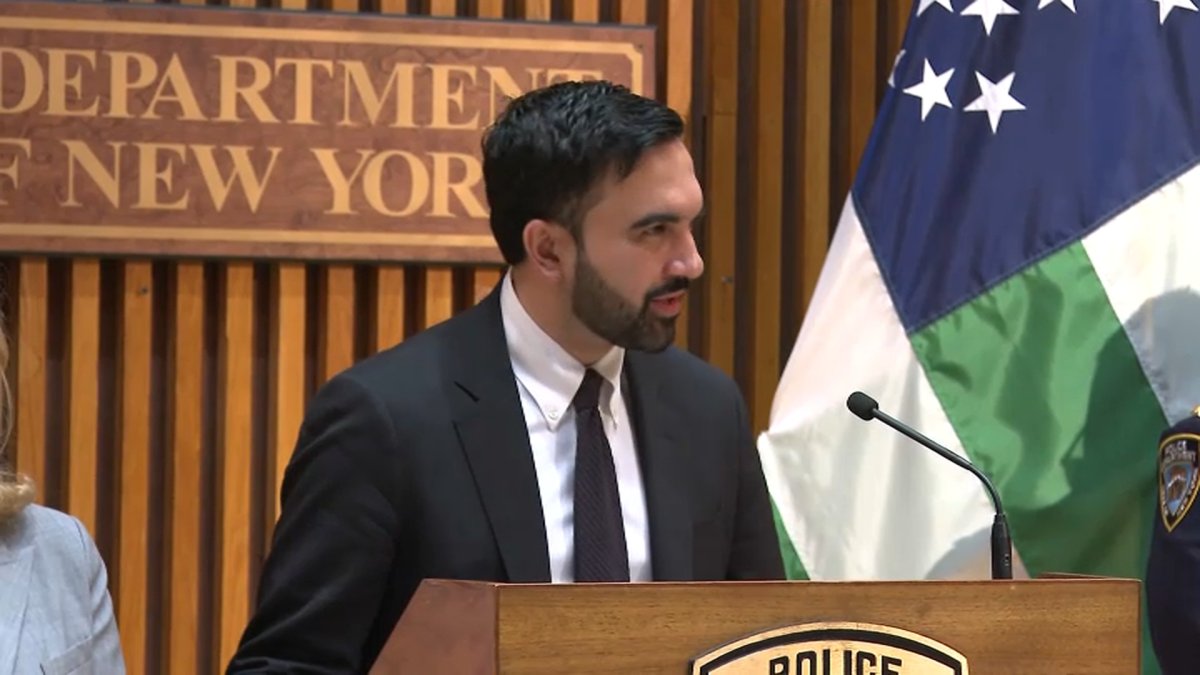
The decision to skip the parade is the latest development in a complex political landscape involving the city’s leadership and its diverse communities. While the mayor will not participate in the march, he has emphasized his commitment to public safety, pledging a robust police presence to ensure the event proceeds without disruption. “While I will not be attending, our administration has been preparing for weeks to ensure the parade is safe for all those who take part,” Mamdani said during a press briefing at police headquarters on Thursday.
Shifting Political Dynamics and the Nakba Commemoration
The mayor’s absence follows a recent and highly debated move by his office: the release of a video commemorating the Nakba. The term, which translates to “catastrophe,” is used to describe the displacement of an estimated 700,000 Palestinians during the 1948 Arab-Israeli war, as noted by the United Nations’ documentation on the Palestinian displacement. The video, which featured personal testimony from Inea Bushnaq, marked a departure from previous mayoral administrations in New York City, which historically have not issued official commemorations of the event.


The video’s release drew sharp criticism from various Jewish leaders and organizations. Critics argued that the narrative lacked necessary context, specifically regarding the displacement of Jews from across the Middle East and North Africa during the same period, as well as the historical significance of the Holocaust in the lead-up to the state’s founding. The resulting tension has exacerbated existing divisions regarding how the city’s executive office should engage with international conflicts and local community sensitivities.
Rabbi Marc Schneier, president of the Foundation for Ethnic Understanding, characterized the mayor’s decision to skip the parade as a significant point of contention. “Do us a favor, stay home,” he stated, reflecting the frustration felt by some segments of the Jewish community who view the mayor’s recent actions and rhetoric as exclusionary. The New York City Office to Combat Antisemitism remains a key part of the administration’s portfolio, though critics argue that such offices must be supported by inclusive mayoral engagement across all cultural and religious milestones.
Public Safety and Official Participation
Despite the mayor’s personal decision, the municipal government’s official stance remains one of ensuring the safety of all public gatherings. New York City Police Commissioner Jessica Tisch, who is Jewish, confirmed she would participate in the parade, drawing a clear line between the mayor’s political choices and the institutional obligations of the NYPD. “This proves the mayor’s decision not to march, and it is my decision to march proudly,” Tisch remarked alongside the mayor.
The New York City Police Department has historically implemented comprehensive security protocols for large-scale events on Fifth Avenue, involving significant deployments of officers, barrier installations, and intelligence monitoring to preempt potential unrest. For this year’s parade, the administration has indicated that security preparations have been underway for several weeks to manage the expected crowds and potential protest activity.
Broader Context of Public Opinion
The erosion of support for the Israeli government among certain demographics in the United States, particularly following recent military operations in Gaza, has placed mayors of large, diverse cities in a difficult position. As the first Muslim mayor of New York City, Mamdani occupies a unique space in this discourse. He has stated that while he recognizes Israel’s right to exist, he opposes systems that create hierarchies favoring one group over another.

This nuanced, and often controversial, stance has made the mayor a lightning rod for criticism from pro-Israel advocacy groups, who argue that his policies and public statements fail to adequately address the concerns of Jewish New Yorkers. Conversely, his supporters argue that he is providing a necessary platform for underrepresented voices and historical perspectives that have been absent from mainstream political discourse in the city for generations.
Key Takeaways Regarding the Parade and Policy
- Parade Attendance: Mayor Mamdani has confirmed he will not march, citing long-held personal and political views regarding the Israeli government.
- Security Measures: The administration has pledged a full security detail for the parade, with Commissioner Jessica Tisch confirming her personal attendance.
- Nakba Commemoration: The recent mayoral video regarding the 1948 displacement of Palestinians remains a focal point of intense community debate.
- Institutional Role: The mayor continues to highlight the work of the Office to Combat Antisemitism while navigating criticism from various religious and civic leaders.
As the city approaches Sunday’s events, the focus remains on whether the parade will proceed peacefully. The administration’s ability to balance its political advocacy with its duty to provide a safe, neutral space for public expression will be closely monitored by both local stakeholders and international observers. For real-time updates regarding parade routes, street closures, and safety advisories, residents are encouraged to monitor the official City of New York government portal for the latest bulletins.
This story remains in development as the city prepares for the weekend’s events. We invite our readers to share their perspectives on the intersection of local governance and international policy in the comments section below.