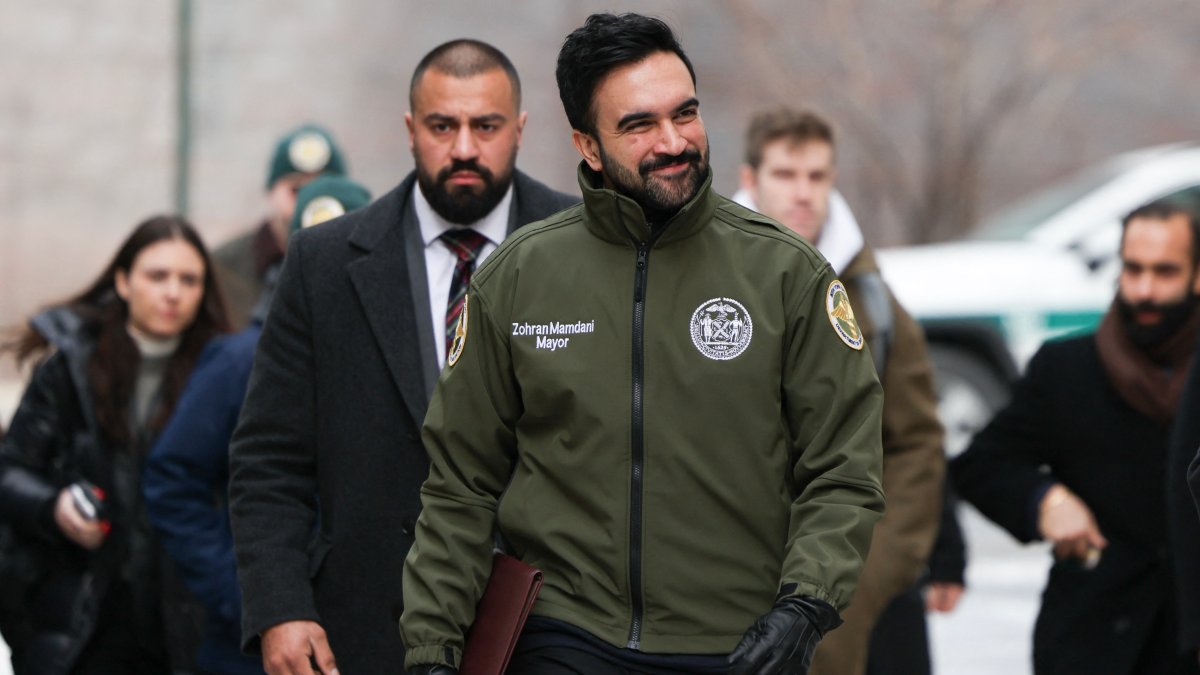
New York City Mayor Zohran Mamdani has reversed course on a key campaign promise, announcing the resumption of sweeps targeting homeless encampments across the city. The decision, revealed on Wednesday, marks a significant shift from his initial approach upon taking office in January, when he paused the practice favored by his predecessor, Eric Adams. The move comes amid growing scrutiny over the city’s response to a recent cold snap that saw at least 26 deaths attributed to exposure, prompting questions about the balance between public order and the welfare of vulnerable populations.
Mamdani’s initial pause on the encampment sweeps was predicated on a belief that the previous administration’s tactics were insufficient in connecting individuals experiencing homelessness with long-term housing solutions. But, the mayor now argues that a retooled approach, prioritizing outreach and support services, will prove more effective. This new strategy, as detailed by city officials, centers on a more sustained and humane engagement with those living in encampments, aiming to build trust and facilitate access to shelter and other resources.
The shift in policy follows a period of intense debate and mounting pressure on the Mamdani administration. The recent spate of cold-weather related deaths, including the confirmation of 26 fatalities linked to exposure since the start of February, has amplified concerns about the adequacy of the city’s winter preparedness and its ability to protect its most vulnerable residents. Even as the mayor’s office maintains that none of the individuals who died were confirmed to have been living in encampments, the tragedy has nonetheless fueled calls for more decisive action.
A New Approach to Encampment Resolution
The core of Mamdani’s revised strategy lies in a fundamental change in the lead agency responsible for conducting the encampment resolutions. Unlike the previous administration, which relied heavily on the New York Police Department (NYPD) and sanitation crews, the Department of Homeless Services (DHS) will now take the lead. This shift is intended to foster a more supportive and less adversarial environment, emphasizing connection to services over enforcement.
Under the new protocol, encampments will be subject to a week-long period of intensive outreach. Prior to any physical dismantling of a site, the DHS will post a notice of the impending action and then deploy outreach workers to the location daily. These workers will be tasked with building rapport with residents, assessing their individual needs, and guiding them towards available resources, including shelter, medical care, and mental health services. The mayor emphasized the importance of “relentless outreach,” believing that consistent engagement can overcome skepticism and build trust with individuals who may be hesitant to accept assistance.
Following the seven-day outreach period, sanitation workers will dismantle the encampment. However, the mayor’s office has clarified that police officers will be present solely as observers, playing a non-enforcement role. This represents a deliberate effort to de-escalate tensions and avoid the perception of a punitive approach. The goal, according to city officials, is to create a process that is both more humane and more effective in connecting individuals with the support they need to transition off the streets.
Backtracking on Campaign Promises and Advocacy Concerns
The decision to reinstate encampment sweeps has drawn sharp criticism from homeless advocacy groups, who accuse Mayor Mamdani of backtracking on a core campaign promise. David Giffen, Executive Director of the Coalition for the Homeless, expressed disappointment, characterizing the move as a “political response” that will ultimately be counterproductive. He argued that sweeps disrupt trust between outreach workers and unsheltered residents, potentially making it more difficult to provide assistance during future extreme weather events. CBS News New York reported Giffen stating, “When a city worker shows up and throws out all your belongings, you’re not going to trust that person the next time they show up offering you a place to sleep inside.”
Christine Quinn, CEO of Win NYC, a leading provider of homeless services in the city, echoed these concerns, highlighting the mayor’s rapid shift in policy. According to CBS News New York, Quinn stated she was “troubled” by the fact that Mamdani had backtracked on two campaign promises to the homeless community within a month of taking office.
The previous administration, under Mayor Eric Adams, had made clearing encampments a central component of its strategy to address homelessness and improve public order. These sweeps, often conducted by police and sanitation crews, faced consistent opposition from advocacy groups, who argued that they were disruptive, inhumane, and ineffective in addressing the root causes of homelessness. While the Adams administration maintained that the sweeps were necessary to maintain public safety and encourage individuals to accept shelter, critics pointed to the limited number of people who actually utilized temporary shelter following the encampment clearings.
The Context of Recent Cold Weather and Rising Deaths
The timing of Mamdani’s decision is inextricably linked to the recent period of extreme cold that gripped New York City. The city experienced several days of sub-freezing temperatures in February, leading to a surge in cold-weather related deaths. As of February 19, 2026, officials have confirmed 26 deaths linked to exposure, with 19 of those fatalities occurring outdoors. The Associated Press reported that the mayor’s office has launched an aggressive campaign to encourage homeless individuals to seek shelter, offering access to new shelters, heated buses, and warming centers.
Despite these efforts, the rising death toll has intensified scrutiny of the city’s response and raised questions about whether more could have been done to prevent these tragedies. The Mamdani administration has defended its actions, emphasizing the challenges of reaching individuals who are reluctant to seek shelter and the logistical difficulties of providing adequate support during periods of extreme weather. However, critics argue that the city’s response has been inadequate and that more resources should be allocated to preventative measures, such as expanding access to affordable housing and mental health services.
Council Speaker Supports the New Policy
New York City Council Speaker Julie Menin has voiced support for Mayor Mamdani’s decision, calling it “an important step forward.” Menin emphasized the inhumane nature of allowing individuals to remain on the streets during extreme weather conditions. According to reports, she stated that oversight hearings conducted by the City Council revealed the need for a closer examination of the policy’s implementation, with a clear priority on protecting lives.
The resumption of encampment sweeps represents a complex and controversial issue, fraught with ethical and practical challenges. While Mayor Mamdani insists that the new approach will be more humane and effective, critics remain skeptical, arguing that sweeps ultimately exacerbate the problems faced by individuals experiencing homelessness. The coming weeks and months will be crucial in determining whether the city’s revised strategy can deliver on its promises and provide meaningful support to those living on the streets of New York City.
The next key development will be the implementation of the new outreach protocol and the monitoring of its impact on the city’s homeless population. The City Council is expected to hold further hearings on the issue in March 2026 to assess the effectiveness of the new policy and address any concerns raised by advocacy groups and community stakeholders. Readers are encouraged to share their thoughts and experiences in the comments section below.
Worth a look