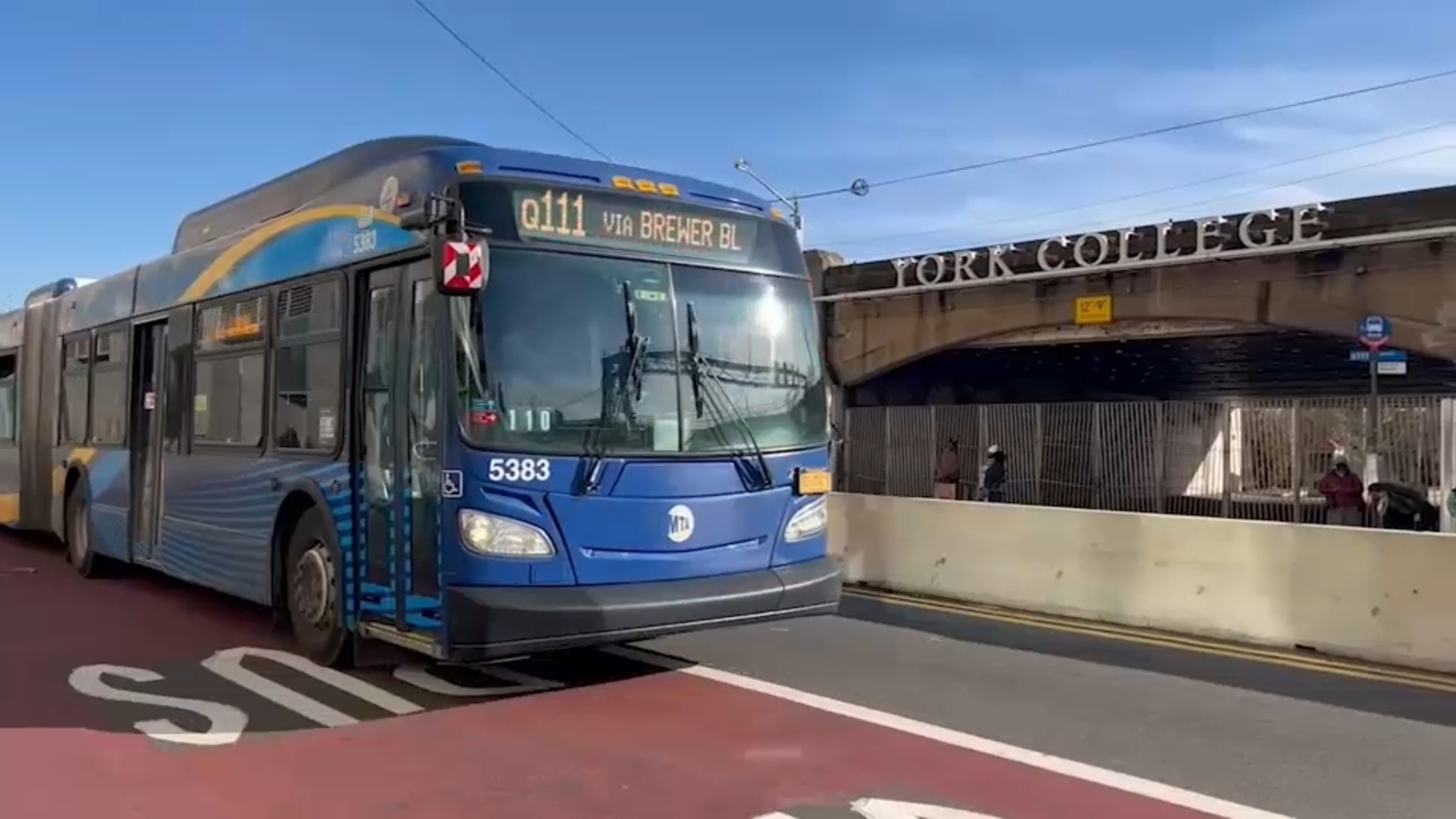
New York City transit advocates and officials have unveiled a comprehensive “Next Stop” transit strategy aimed at increasing bus speeds and improving reliability for the city’s millions of daily riders. The plan, spearheaded by Assembly Member Zohran Mamdani in coordination with state and transit authorities, focuses on the implementation of all-door boarding, enhanced lane enforcement, and the designation of priority corridors to reduce travel times across the five boroughs. According to the Metropolitan Transportation Authority (MTA), these infrastructure and policy shifts are intended to address long-standing inefficiencies that have historically hindered surface transit performance.
The “Next Stop” initiative marks a shift in how the city manages its bus fleet, moving away from fragmented pilot programs toward a standardized system of bus rapid transit (BRT) features. Central to the proposal is the expansion of all-door boarding, a system that allows passengers to enter through any bus door, significantly reducing the time vehicles spend idling at stops to collect fares.
The Mechanics of the Next Stop Plan
At the core of the new road map is the aggressive expansion of dedicated bus lanes, supported by automated camera enforcement. The strategy prioritizes corridors with the highest passenger density, ensuring that buses are not stalled by general traffic congestion. By utilizing high-resolution enforcement cameras, the city aims to keep these lanes clear of unauthorized vehicles, a measure that has shown effectiveness in reducing transit delays in previously tested zones, such as sections of Madison and Lexington Avenues, where projects have served over 150,000 daily commuters according to local municipal reports.

The plan also includes physical infrastructure upgrades, such as signal priority technology, which allows buses to hold green lights longer as they approach intersections. This technological integration, paired with the proposed all-door boarding, is designed to create a more seamless experience for riders. The MTA and state partners have emphasized that these improvements are not merely incremental but represent a systemic approach to prioritizing public transit over private vehicle throughput in congested areas.
Infrastructure and Ridership Impact
For the average commuter, the proposed changes could save several minutes on every trip. While the time savings per individual ride may seem modest, the cumulative effect for a system serving millions of daily riders is significant. The initiative focuses on high-traffic routes where bus speeds have historically lagged behind the city average. By streamlining the boarding process and ensuring buses have a clear path through intersections, the city aims to improve the consistency of bus arrival times—a metric often cited by riders as a major point of frustration.
The financial and logistical framework for this plan relies on a combination of state-level support and municipal project execution. As outlined in legislative discussions regarding the MTA’s capital planning, funding for these corridors is tied to broader efforts to modernize the city’s aging transit infrastructure. The collaboration between Assembly Member Mamdani and the MTA signifies a alignment of political priorities regarding the necessity of surface transit as a vital component of the city’s economic recovery and environmental goals.
Future Implementation and Oversight
The road map for these improvements is subject to ongoing review by the MTA board and municipal oversight committees. As the city moves toward implementation, officials have indicated that they will continue to track performance metrics on the newly designated priority corridors. This data-driven approach is expected to guide the expansion of the program to additional routes in the coming years. Residents and transit users are encouraged to monitor the MTA press office for updates on specific construction schedules and the rollout of new lane enforcement cameras.

The success of the “Next Stop” plan depends on the sustained coordination between the state and the city, particularly regarding the enforcement of traffic laws and the maintenance of bus lane infrastructure. With the framework now established, the next phase involves the procurement of new technology for all-door boarding and the formalization of the priority corridor routes. Stakeholders expect further details to be presented during upcoming MTA budget and planning hearings, where public comment will play a role in shaping the final deployment schedule. Interested parties can follow official announcements via the MTA’s transparency portal to track project milestones and lane enforcement statistics as they become available.