
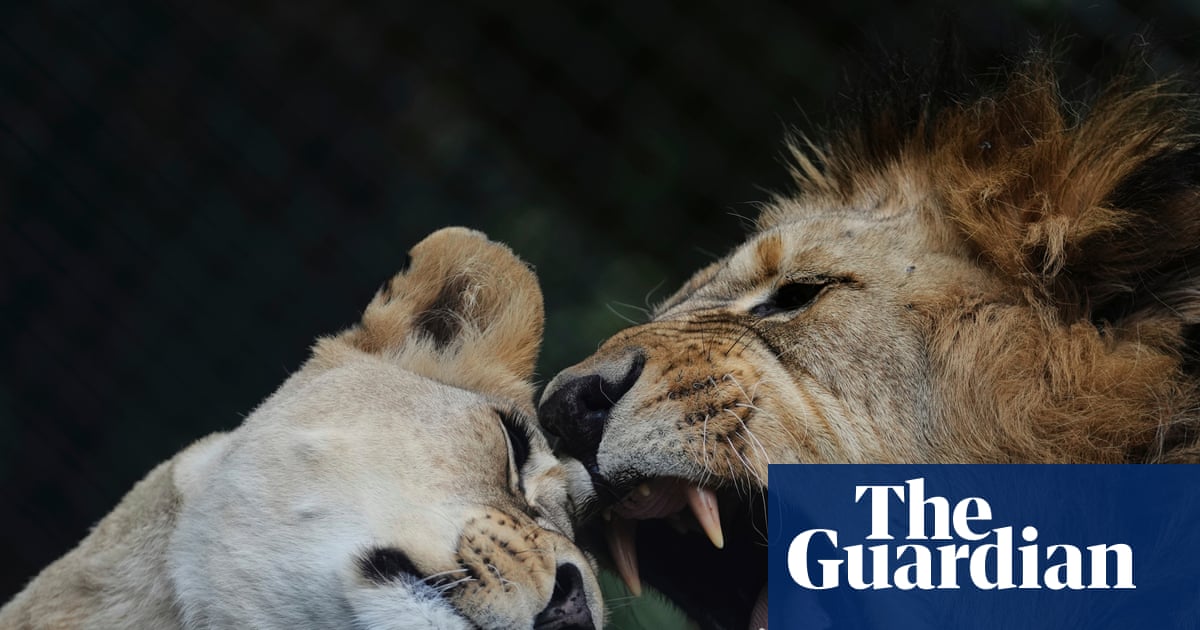
New zealand Lion Sanctuary faces Closure,euthanasia of Big Cats Sparks Outcry
A beloved,yet troubled,New Zealand lion sanctuary is on the brink of closure,leading to the heartbreaking euthanasia of some of its residents and a desperate search for a last-minute solution. The situation has ignited a public outcry and raised critical questions about the welfare of captive big cats and the financial realities of wildlife sanctuaries. Here’s a comprehensive look at the unfolding events, the challenges faced, and what the future may hold.
A Challenging Decision Driven by Financial Strain
The sanctuary’s operator, Janette Vallance, announced the difficult decision to euthanize several lions due to insurmountable financial challenges. “there were no real options left,” Vallance stated, expressing the devastation felt by the staff. Maintaining the facility and providing adequate care for the lions requires significant capital investment, something a new owner would need to provide alongside purchasing the land.
Initially, the plan involved euthanizing all seven lions. However,a glimmer of hope emerged as several individuals expressed interest in purchasing the facility and continuing its operation. the timeframe is tight, and the outcome remains uncertain, but Vallance and her team are working tirelessly to explore this possibility.
Two Lions Already Euthanized
Sadly, the sanctuary confirmed on Thursday the euthanasia of two lions, Imvula and Sibili. Both animals suffered from serious, untreatable health conditions that were rapidly deteriorating. These decisions, Vallance emphasized, were made with the utmost care and consideration for the animals’ well-being.
Why Relocation Wasn’t an Option
relocating the lions to another facility proved to be an unviable solution. Their age, the number of animals involved, and their complex needs presented significant logistical and welfare concerns. Finding a suitable environment that could accommodate their specific requirements was simply not feasible.
Public Reaction and Concerns
The sanctuary’s announcements were met with an outpouring of emotion from the public. Social media and direct messages flooded in, pleading for a reprieve for the remaining lions. Former staff members also voiced their concerns, urging the sanctuary to reconsider euthanasia.
Unluckily,alongside the support,Vallance reported receiving threatening and abusive messages.She pleaded for kindness and respect during this incredibly difficult time, acknowledging the high emotions but emphasizing the need for constructive dialog.
Regulatory Oversight and Animal Welfare
The Ministry for Primary Industries (MPI) confirmed that the decision to euthanize the lions rests with the sanctuary owners. However, the MPI is ensuring the process adheres to New Zealand’s animal welfare laws.
Stuart Anderson, Deputy Director General of Biosecurity New Zealand, stated that euthanasia must be carried out humanely. An animal welfare inspector will be present during the procedure to verify compliance. The MPI has confirmed the operation continues to meet its animal welfare and containment obligations.
A History of Challenges
The sanctuary’s struggles are not new. It gained brief notoriety in the early 2000s through its appearance on a television show featuring Craig “the Lion Man” Busch. Though, the facility soon encountered a series of problems:
* 2009: A handler tragically died after being mauled by a white tiger.
* Recurring Financial Issues: The park consistently faced financial difficulties and employment challenges.
* Multiple Ownership Changes: the sanctuary changed hands several times, indicating instability.
* 2014 Closure Order: The MPI ordered the park to close until enclosure upgrades were completed.
* 2021 Reopening & 2023 Liquidation: Despite reopening in 2021, the sanctuary entered liquidation in 2023, leading to the current crisis.
What Does This mean for the Future?
The fate of the remaining five lions hangs in the balance. The potential sale of the facility offers a last chance for their survival. Though, securing a buyer willing and able to invest in the necessary infrastructure and ongoing care is a significant hurdle.
This situation underscores the immense challenges faced by wildlife sanctuaries, especially those reliant on public funding and tourism. It also highlights the ethical considerations surrounding keeping large predators in captivity and the duty to ensure their welfare, even in the face of financial hardship.
Stay Updated
This is a developing story.We will continue to provide updates as more data becomes


![Remembering [Activist’s Name]: A Hungarian Hero’s Legacy
or
[Activist’s Name]: Honoring a Champion of Hungarian Freedom
or
Hungarian Activist [Activist’s Name] – Life, Work & Remembrance](https://i0.wp.com/www.hrw.org/sites/default/files/styles/opengraph/public/media_2025/12/202512eca_hungary_Gyula%20Balog.jpg?resize=330%2C220&ssl=1 "Remembering [Activist’s Name]: A Hungarian Hero’s Legacy
or
[Activist’s Name]: Honoring a Champion of Hungarian Freedom
or
Hungarian Activist [Activist’s Name] – Life, Work & Remembrance")


