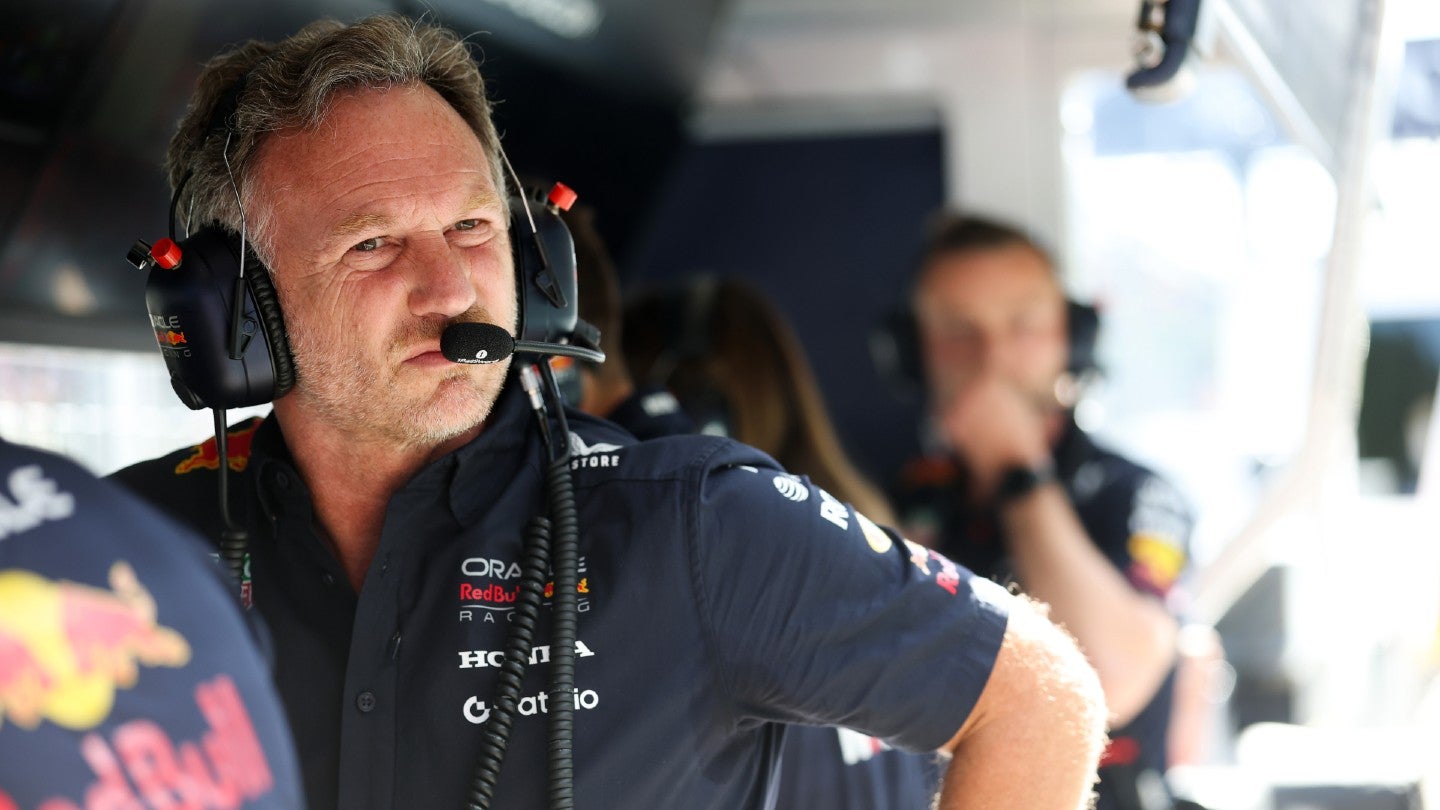
The landscape of global sports investment is witnessing a significant shift as the influence of Formula 1 leadership moves from the pit lane to the boardroom. Christian Horner, the man who defined the modern era of Red Bull Racing, has officially transitioned into a new professional chapter, pivoting from the high-octane world of Grand Prix racing to the strategic corridors of private equity.
Oakley Capital, a prominent private equity investor, has announced the appointment of the former Red Bull chief executive and team principal as an advisor. In this new capacity, Horner will focus on the firm’s expanding portfolio within the premium sports sector, leveraging his two decades of commercial and competitive expertise to identify and scale high-growth sports assets.
The move signals a growing trend where elite sporting executives are increasingly sought after by investment houses to navigate the complexities of modern sports commercialization. For Oakley Capital, the acquisition of Horner’s insight represents a strategic attempt to unlock value in “scarce” sports assets that possess significant untapped commercial potential.
A Strategic Pivot: Oakley Capital and the Premium Sports Market
Oakley Capital’s decision to tap Horner comes at a time when the sports industry is undergoing a period of intense commercial maturation. The firm has explicitly stated its intention to expand its footprint in premium sports businesses, focusing on assets that exhibit the hallmarks of high-growth, resilient revenue streams, and founder-led structures.

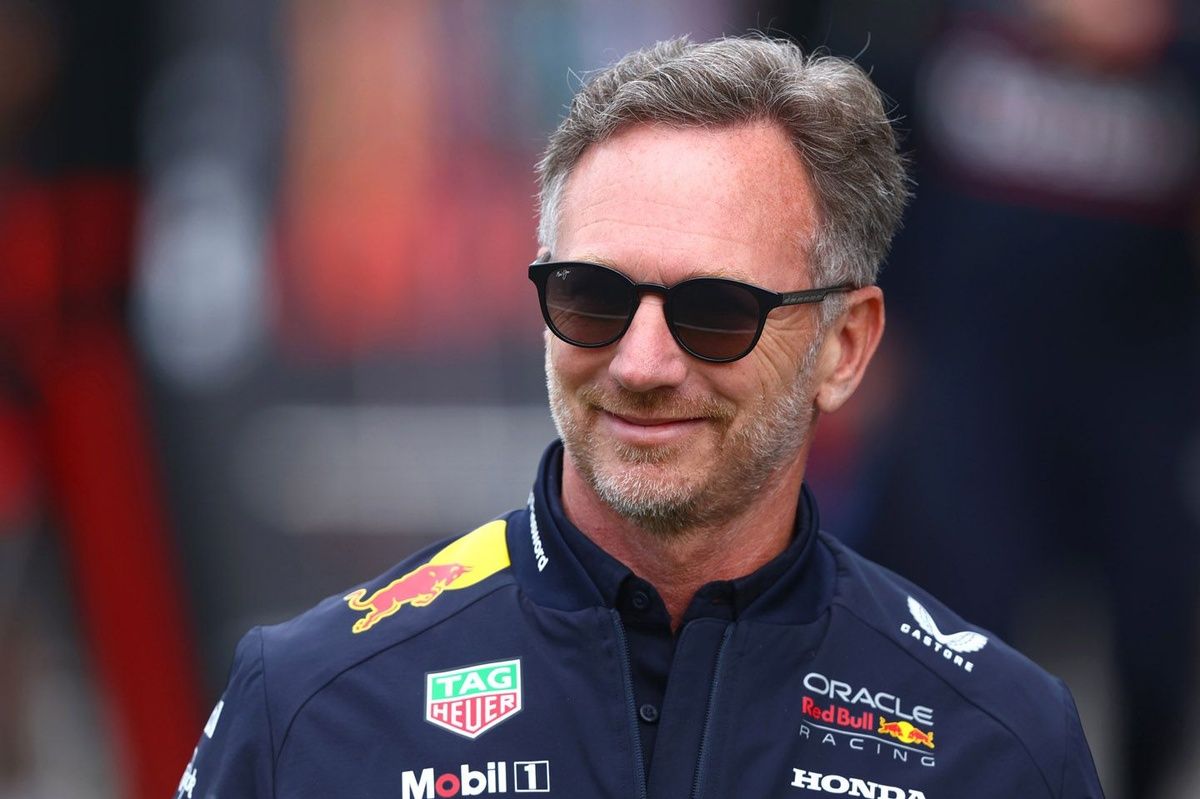
Peter Dubens, the founder and managing partner of Oakley Capital, emphasized that Horner’s track record makes him an ideal fit for the firm’s ambitions. According to a report published on the Oakley Capital website, Dubens noted that Horner is “widely recognised as a highly successful leader in global sport,” and that his “track record, expertise and commercial instinct will be invaluable” as the firm continues to scale its sports portfolio.
The investment philosophy driving this move centers on identifying businesses that are either under-commercialized or possess unique market positions. Dubens highlighted that Oakley is increasingly drawn to assets that can be supported by resilient revenues or those that represent “under-commercialised ‘scarce’ assets with significant untapped potential.” By integrating Horner into their advisory framework, Oakley Capital aims to bridge the gap between raw sporting talent and sophisticated institutional investment.
Horner himself has expressed optimism regarding the intersection of sports and business. He noted that sports businesses are currently benefiting from “growing global audiences and participation rates” as more people worldwide embrace active and healthy lifestyles. This demographic shift provides a fertile ground for private equity firms looking to capitalize on the increasing engagement levels in the global sports market.
The Horner Legacy: Red Bull Racing’s Two-Decade Ascent
To understand the value Horner brings to Oakley Capital, one must look at the transformative period he led at Red Bull Racing. Since taking the reins in 2005, Horner became Formula 1’s youngest-ever team principal, beginning a tenure that would redefine the competitive hierarchy of the sport.
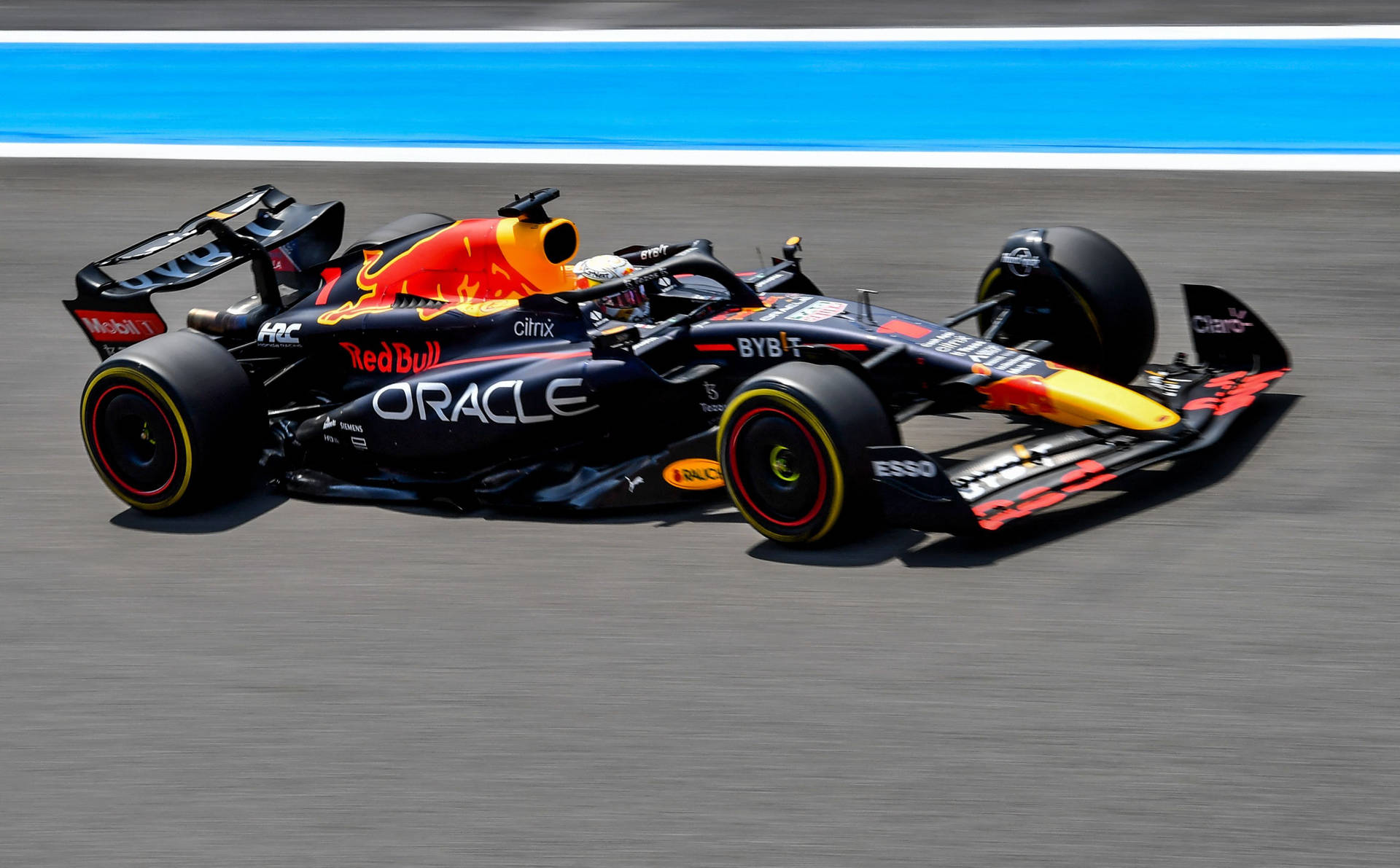
Under his leadership, Red Bull Racing evolved from an energy-drink-backed outfit into a dominant, world-championship-winning powerhouse. The statistical impact of his leadership is profound. Between 2005 and 2025, Horner guided the Milton Keynes-based team to 124 Grand Prix victories, eight Drivers’ Championship titles—shared between legends Sebastian Vettel and Max Verstappen—and six Constructors’ Championship crowns.
However, Horner’s influence extended far beyond the race weekends and podium celebrations. He was instrumental in the structural and technical expansion of the Red Bull brand within the motorsport ecosystem. This included the oversight of critical divisions such as Red Bull Powertrains, the team’s power unit division, and Red Bull Advanced Technologies.
Critically for investors, Horner proved his ability to manage massive commercial scale. During his tenure, the team reportedly generated more than $3 billion in commercial revenue through a complex web of global partnerships and high-value sponsorships. This ability to marry technical performance with aggressive commercial growth is precisely the “commercial instinct” that Oakley Capital aims to harness.
The Business of Sport: Why Expertise Matters in Private Equity
The entry of a figure like Horner into the private equity space highlights a fundamental change in how sports assets are valued. No longer are sports teams viewed merely as trophy assets for the ultra-wealthy. they are increasingly viewed as sophisticated media and technology platforms with massive, scalable revenue potential.
The complexity of modern sports management requires a dual understanding of two very different worlds: the technical/operational realities of elite competition and the high-level financial engineering of private equity. Horner’s experience in managing the creation of specialized technical divisions like Red Bull Powertrains demonstrates an ability to oversee complex industrial scaling—a skill set that is highly transferable to the “high-growth” models Oakley Capital targets.
As sports organizations increasingly look to diversify their revenue through digital engagement, global licensing, and technical innovation, the need for leaders who understand the “commercialization of scarcity” becomes paramount. Horner’s role will likely involve vetting potential acquisitions not just for their sporting prestige, but for their ability to generate resilient, scalable revenue in an increasingly crowded global attention economy.
Key Takeaways: The Horner-Oakley Partnership
| Category | Details |
|---|---|
| Primary Role | Advisor on investments in premium sports businesses. |
| Key Objective | Scaling Oakley Capital’s growing sports portfolio. |
| Target Assets | Founder-led, high-growth, and under-commercialized sports businesses. |
| Horner’s Core Value | Commercial instinct and expertise in global sports leadership. |
| Red Bull Legacy | 124 GP wins, 8 Drivers’ Titles, 6 Constructors’ Titles, >$3bn revenue. |
As the sports investment landscape continues to evolve, all eyes will be on how Horner’s strategic guidance shapes Oakley Capital’s next major move. Whether this leads to the acquisition of established sports franchises or the scaling of emerging sports technologies remains to be seen.
The next significant checkpoint in this transition will be the announcement of Oakley Capital’s first major sports investment or strategic partnership conducted under Horner’s advisory.
What are your thoughts on the increasing involvement of former team principals in the private equity space? Could this change how sports teams are managed? Let us know in the comments below and share this story with your network.
Worth a look