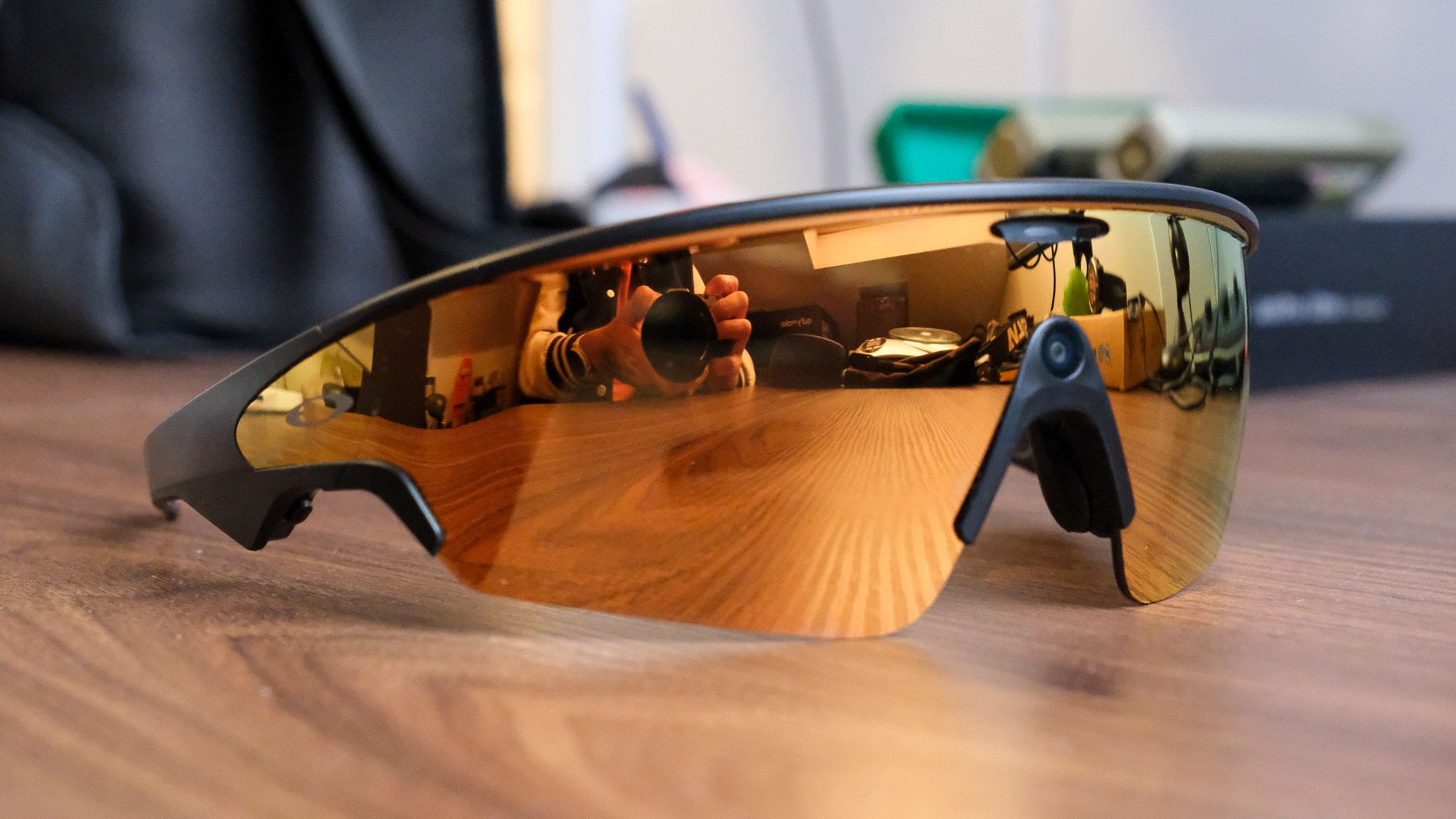
Oakley Meta Vanguard: A Deep Dive into the Future of Smart Eyewear
The world of sports technology is constantly evolving,and the Oakley Meta Vanguard represents a bold leap forward. These aren’t just sunglasses; they’re a sophisticated blend of performance eyewear and wearable tech. But do they live up to the hype? Let’s take a detailed look.
First Impressions: style Meets Innovation
Initially, the Oakley meta Vanguard look and feel like premium sunglasses – as they are. The design maintains Oakley’s signature aesthetic, offering a cozy and secure fit for a variety of face shapes. You’ll appreciate the build quality and the subtle integration of the technology. They don’t scream “gadget,” which is a significant win for those who prefer a more understated look.
Key Features: What Sets Them apart
These smart glasses pack a surprising amount of functionality into a sleek package. Here’s a breakdown of the core features:
* Integrated Camera: Capture photos and videos directly from your viewpoint.
* Audio System: Open-ear audio allows you to listen to music or take calls without blocking ambient sound.
* Real-Time Metrics: Track performance data like speed, distance, and elevation.
* voice Control: Manage functions hands-free with voice commands.
* Connectivity: Seamlessly sync with your smartphone and compatible smartwatches.
Performance in Action: The Good, the Not-So-Good
During testing, the camera proved capable of capturing decent footage, though it doesn’t quite rival dedicated action cameras. Think of it as a convenient way to document your adventures, rather than produce professional-quality videos. The audio quality is surprisingly good, providing clear sound for both music and calls, even in windy conditions.
Though, the integration with Garmin and Strava feels somewhat clunky.You need your watch,phone,and glasses all working together to unlock the “smart” experience. This multi-device dependency feels unnecessarily complex, especially when a single device coudl handle the same tasks. A heads-up display, projecting data directly onto the lenses, would have been a game-changer, but is notably absent.
The Camera: A Convenient Addition, Not a Replacement
Let’s talk about the camera a bit more. It’s a useful feature for capturing spontaneous moments during your activities. However, don’t expect it to replace your dedicated action camera for serious filming. The image stabilization isn’t quite on par, and the overall quality is noticeably lower. It’s perfect for quick snapshots and casual videos, but not for professional-grade content.
Audio Experience: Open-Ear Freedom
The open-ear audio system is a standout feature.It allows you to stay aware of your surroundings while enjoying your favorite tunes or taking calls. This is a huge safety benefit, especially when you’re cycling, running, or engaging in other outdoor activities. The sound quality is clear and crisp, and the volume is sufficient for most environments.
Connectivity and Integration: Room for Improvement
The promise of seamless integration with your existing ecosystem is appealing. unfortunately, the current implementation feels a bit rough around the edges. Setting up the connections can be fiddly, and the data synchronization isn’t always instantaneous. While the potential is there, it needs further refinement to truly deliver a streamlined experience.
Battery Life: A Practical Consideration
Battery life is a crucial factor for any wearable device. The Oakley Meta Vanguard offers a reasonable amount of power, typically lasting several hours of continuous use. however, heavy use of the camera and audio features will naturally drain the battery faster.You’ll want to ensure they’re fully charged before embarking on long adventures.
The Verdict: A Promising Start, But Not Quite There Yet
The Oakley Meta Vanguard is an exciting glimpse into the future of sports eyewear. They offer a compelling combination of style, functionality, and innovation.However, they’re not without their shortcomings. The clunky integrations, lack of a heads-up display, and camera
Related reading