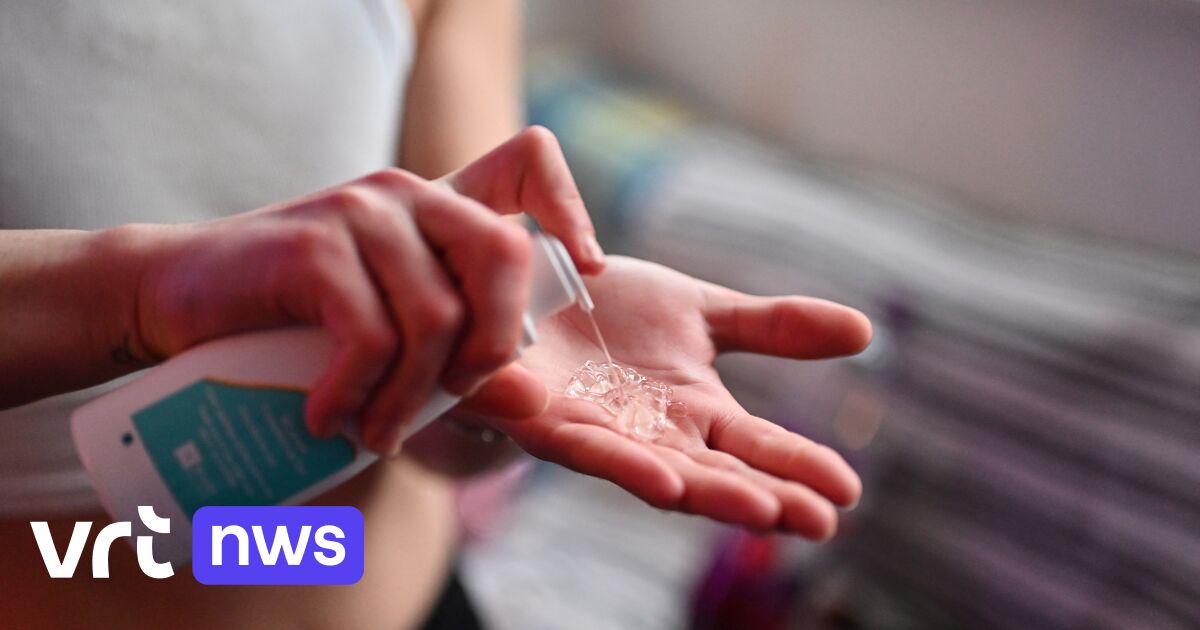
The demand for oestrogel, a hormonal gel used to alleviate symptoms of menopause and perimenopause, is currently exceeding supply, leaving some women facing shortages when seeking the medication at pharmacies. This increased demand highlights a growing awareness and acceptance of hormone replacement therapy (HRT) as a viable treatment option for managing the often-debilitating symptoms associated with hormonal changes during midlife.
While the initial report simply notes a supply issue, the situation reflects a broader trend of rising HRT prescriptions across Europe and beyond. For decades, HRT faced scrutiny and declining employ following studies raising concerns about potential health risks. However, more recent research and a shift in medical understanding have led to a reassessment of the benefits and risks, particularly for women experiencing significant symptoms. This has resulted in a renewed interest in HRT, including oestrogel, among both patients and healthcare providers.
Understanding Oestrogel and its Role in Menopause Management
Oestrogel is a form of hormone replacement therapy containing oestrogen. It’s typically prescribed to women experiencing vasomotor symptoms – such as hot flashes and night sweats – and vaginal dryness associated with declining oestrogen levels during perimenopause and menopause. Unlike some other forms of HRT, oestrogel is applied transdermally, meaning it’s absorbed through the skin. This method of delivery is often preferred as it bypasses the liver, potentially reducing the risk of certain side effects. The Belgian Centre for Evidence-Based Medicine notes that transdermal oestrogen administration is preferred to limit the risk of thrombo-embolism and cerebrovascular accident (CVA).
Menopause is a natural biological process marking the end of a woman’s reproductive years, typically occurring around the age of 51. However, the transition leading up to menopause, known as perimenopause, can begin years earlier, often in a woman’s 40s. During this phase, oestrogen and progesterone levels fluctuate, leading to a range of symptoms that can significantly impact quality of life. SeeMe-nopause Nederland explains that progesteron levels decline more rapidly than oestrogen during perimenopause, contributing to these changes.
The Rising Demand for HRT: A Shift in Perspective
The current surge in demand for oestrogel and other HRT products isn’t solely due to increased awareness. It’s also linked to a growing recognition that, for many women, the benefits of HRT outweigh the risks, particularly when treatment is started closer to menopause and used at the lowest effective dose. The Belgian Centre for Evidence-Based Medicine highlights that HRT reduces the risk of osteoporosis and fractures, both in the short and long term, while also effectively reducing severe vasomotor symptoms.
Historically, concerns about an increased risk of breast cancer and cardiovascular disease led to a decline in HRT prescriptions. However, subsequent research has shown that the risks are not as high as previously thought, especially with newer formulations and individualized treatment approaches. The type of oestrogen and progestogen used, as well as a woman’s overall health profile, play a crucial role in determining the risk-benefit ratio. Managing cardiovascular risk factors like smoking and obesity can further enhance the safety of HRT.
Supply Chain Challenges and Potential Solutions
The current shortage of oestrogel is attributed to increased demand outpacing supply. While the exact reasons for the supply chain disruption are not fully clear, factors such as manufacturing capacity, raw material availability, and logistical challenges may be contributing to the problem. Pharmaceutical companies are reportedly working to increase production to meet the growing demand, but it may take time for supply to catch up.
In the meantime, healthcare providers are advising patients to discuss alternative HRT options with their doctors. Different formulations of oestrogen, such as tablets, patches, and vaginal creams, may be available. Vaginal oestrogen, in particular, is noted as being both effective and safe for primarily urogenital symptoms. It’s crucial for women to avoid self-treating and to work closely with their healthcare provider to find the most appropriate and readily available treatment option.
Beyond Oestrogel: A Holistic Approach to Menopause Management
While HRT can be highly effective for managing menopause symptoms, it’s important to remember that it’s not the only solution. A holistic approach to menopause management should also include lifestyle modifications such as regular exercise, a healthy diet, stress management techniques, and adequate sleep. These measures can help alleviate symptoms and improve overall well-being.
open communication with healthcare providers is essential. Women should feel comfortable discussing their symptoms and concerns and exploring all available treatment options. The decision to use HRT should be made on an individual basis, taking into account a woman’s medical history, risk factors, and personal preferences.
Key Takeaways
- Demand for oestrogel is currently exceeding supply, leading to shortages for some women.
- Renewed interest in HRT is driven by updated research and a better understanding of the benefits and risks.
- Transdermal oestrogen, like oestrogel, is often preferred due to a potentially lower risk of side effects.
- A holistic approach to menopause management, including lifestyle modifications, is crucial.
- Women should discuss alternative HRT options with their healthcare providers if oestrogel is unavailable.
The situation regarding oestrogel supply is evolving. Pharmaceutical companies are expected to provide updates on production timelines in the coming weeks. Women experiencing difficulties obtaining their prescriptions should consult with their healthcare provider for guidance and alternative solutions. Continued monitoring of the supply chain and proactive communication between healthcare providers and patients will be essential to ensure that women have access to the treatments they need to manage menopause effectively.
Do you have experience with HRT shortages? Share your thoughts and experiences in the comments below.