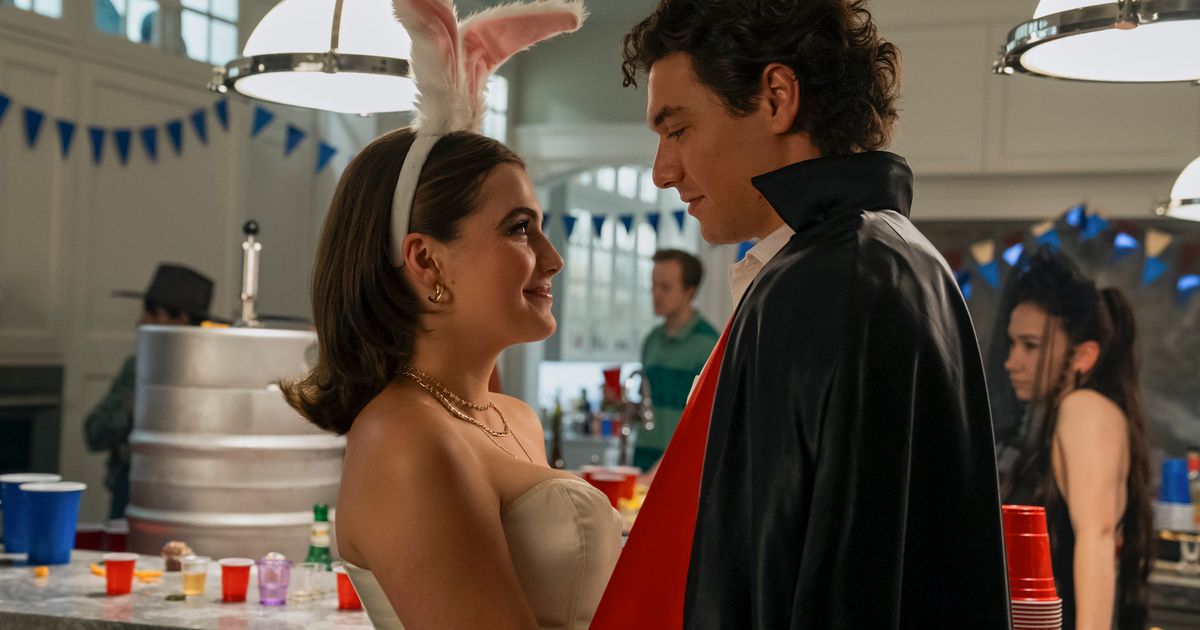
The premiere of any high-profile adaptation often carries the weight of immense expectation, and Amazon Prime Video’s latest offering, Off Campus, is no exception. As the series makes its debut, viewers are finding that the inaugural episodes of this college soap—based on the bestselling book series by Elle Kennedy—are navigating the familiar, sometimes rocky terrain of a show still finding its footing. Much like the culinary metaphor of the “first pancake,” where initial attempts often suffer from uneven heat or imprecise preparation, the early episodes of Off Campus present a narrative that is clearly still defining its own rhythm.
The series, which began streaming on May 12, 2026, centers on the unlikely dynamic between Hannah Wells, a music major who is notably averse to hockey, and Garrett Graham, a star center at Briar U known for his womanizing reputation. According to official platform data, the show is categorized as a romantic drama and consists of eight episodes for its first season via Prime Video. While the premise—a classic “deal” between two polar opposites to achieve personal goals—is a hallmark of the genre, the execution in these opening chapters reveals a production currently in a state of trial and calibration.
Establishing the Briar U Dynamic
The narrative arc kicks off with a central arrangement: Hannah requires assistance in capturing the attention of a crush, while Garrett finds his academic standing in jeopardy, necessitating a tutor. Their agreement to help one another serves as the catalyst for the series, launching a faux-relationship trope that is central to the collegiate drama. As noted in the official episode descriptions, the tension between these characters is tested early on, particularly in episodes such as “The Practice,” where circumstances force the leads into proximity at an overnight house party as detailed on the Prime Video series page.

For fans of Elle Kennedy’s source material, the transition from page to screen is always a point of intense scrutiny. The production features a cast including Ella Bright, Belmont Cameli, and Mika Abdalla, who are tasked with bringing these established literary personas to life. The challenge for any such adaptation is balancing the expectations of a pre-existing fanbase with the necessity of making the story accessible to a broader, perhaps uninitiated, international audience.
Navigating the “First Pancake” Phase
In entertainment, the “first pancake” phenomenon often refers to the initial episodes of a season that prioritize world-building and character introductions over deep narrative progression. In Off Campus, this is evidenced by the rapid escalation of the central deal. By the third episode, titled “The Orgasm,” the stakes are already being redefined by the protagonist, suggesting a pace that aims to hook viewers quickly. Whether this accelerated approach serves the long-term character development or merely scratches the surface of the source material remains a point of discussion among early viewers.
The aesthetic and tone of the show lean heavily into the “college soap” classification, a genre that thrives on romantic entanglements, interpersonal drama, and the high-pressure environment of university athletics. However, successfully executing this requires a delicate balance of humor and emotional stakes. When the tone shifts—such as when the characters confront their feelings in the later episodes—the series attempts to pivot from lighthearted banter to more serious romantic conflict. It is in these transitions that the “trial balloon” nature of the first season becomes most apparent.
What Lies Ahead for the Series
As Off Campus continues its run on Prime Video, the focus will likely shift from the initial “deal” to the complications that arise when feelings become genuine. The streaming service lists the series with a TV-MA rating, indicating a mature approach to its themes. With the first season already available for subscribers, the next checkpoint for the series will be audience retention and critical reception as the story moves toward its conclusion.
For those currently following the series, the platform provides full access to the eight-episode run, allowing viewers to judge for themselves whether the show overcomes its initial hurdles. As with any new entry in the romantic drama category, the true measure of its success will be its ability to evolve beyond the tropes that defined its start. We invite our readers to share their thoughts on the adaptation in the comments below. does the show capture the spirit of the books, or is it still waiting for its “perfect pancake” moment?
Related reading