
As the international community grapples with a significant Ebola outbreak in the Democratic Republic of the Congo and Uganda, questions regarding the preparedness and administrative priorities of the United States have intensified. Public health experts, tracking the surge in cases, have pointed to a strained containment effort, raising concerns about the impact of recent funding shifts within the United States Agency for International Development (USAID) and broader federal aid strategies.
The core of the controversy centers on whether administrative decisions at the highest levels of the U.S. Government hindered the global response to the virus. While the U.S. State Department maintains that reforms have not compromised the nation’s ability to address international health crises, testimony provided to Congress in March 2025 suggests a different reality on the ground. A former acting assistant administrator for global health at USAID, Nicholas Enrich, testified before the U.S. House Committee on Foreign Affairs, alleging that critical resources were withheld and that high-ranking agency officials dismissed the severity of the outbreak, at one point characterizing it as a “scam.”
Internal Conflict and Administrative Oversight at USAID
The testimony provided by Enrich highlights a fundamental disconnect between public health requirements and the internal policy directives issued during the second term of the Trump administration. Enrich informed the committee that in February 2025, his urgent requests for funding to bolster the response in Uganda were repeatedly denied. According to his account, Tim Meisburger, who served as the head of USAID’s Bureau of Humanitarian Assistance, explicitly labeled the Ebola situation a “scam” based on the then-current count of a single death. This dismissal occurred despite warnings from public health officials that the virus was in its incubation period and that immediate intervention was necessary to prevent wider transmission.

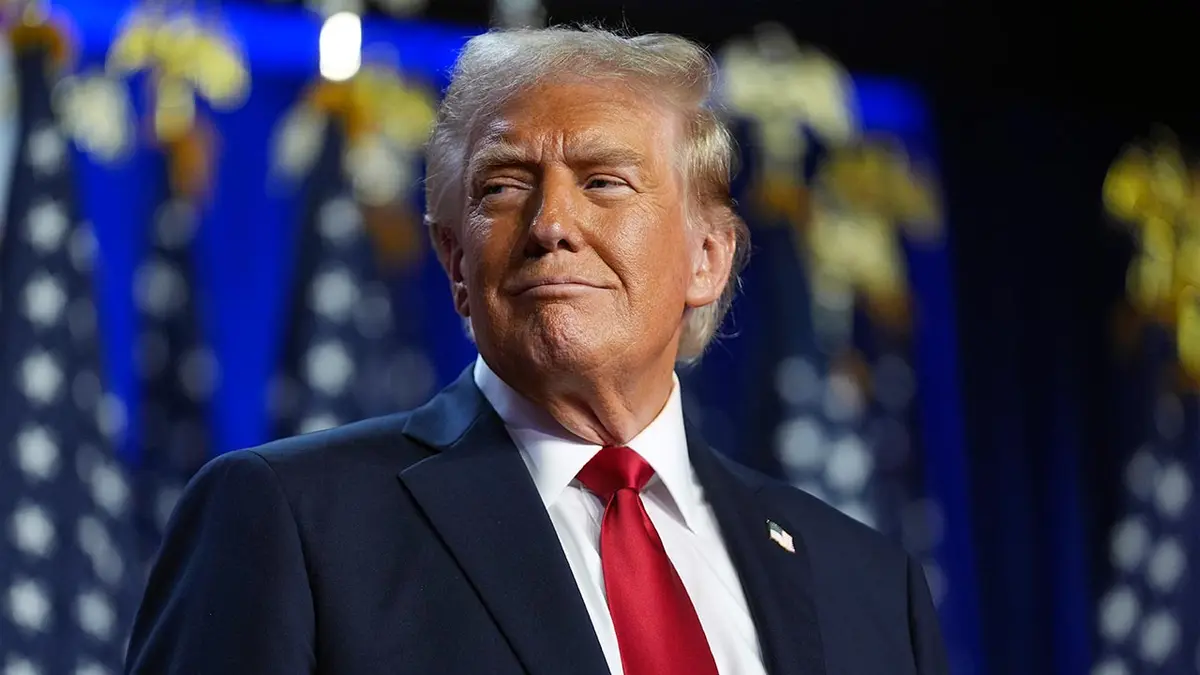
The implications of these decisions were broad. Enrich stated that leadership within the agency moved to “deprioritize activities related to neglected tropical diseases, MPox, Polio, Ebola, and any monitoring and surveillance activities.” The resulting environment, according to his testimony, left field teams unable to access essential protective equipment and undermined the strategic deployment of aid assets during a critical window of the outbreak.
The U.S. Centers for Disease Control and Prevention (CDC) provides ongoing updates regarding the current status of Ebola and other infectious disease outbreaks. For the latest verified data on case counts and mortality rates, interested readers can visit the official website of the Centers for Disease Control and Prevention.
A History of Controversy Among Appointees
The officials involved in these internal policy shifts are no strangers to public scrutiny. Tim Meisburger, whose tenure at USAID has been marked by significant professional turbulence, previously drew intense criticism in 2021. At that time, while serving as a deputy assistant administrator at USAID’s Bureau for Development, Democracy and Innovation, he was dismissed following reports that he had downplayed the events of the January 6 Capitol insurrection during a video call with staff. Despite this departure, he was subsequently returned to a position of public authority during the second Trump administration.
Similarly, Mark Lloyd, an assistant to the administrator for global health who was reportedly present at the meetings described by Enrich, has faced repeated challenges regarding his public statements. In 2020, during his appointment as USAID’s religious freedom adviser, investigations revealed past social media commentary that drew widespread condemnation, including remarks characterizing Islam as a “barbaric cult.” As of June 2025, reports indicate that while Meisburger has transitioned to a role with the Peace Corps, Lloyd remains within USAID’s Bureau of Global Health.
The “Wood Chipper” Strategy and Federal Efficiency
The administrative shifts at USAID occurred alongside a broader push for radical restructuring within federal departments. Elon Musk, leading the U.S. Department of Government Efficiency, publicly signaled a aggressive approach to budget reduction. In February 2025, Musk posted to the platform X, formerly known as Twitter, stating, “We spent the weekend feeding USAID into the wood chipper.”
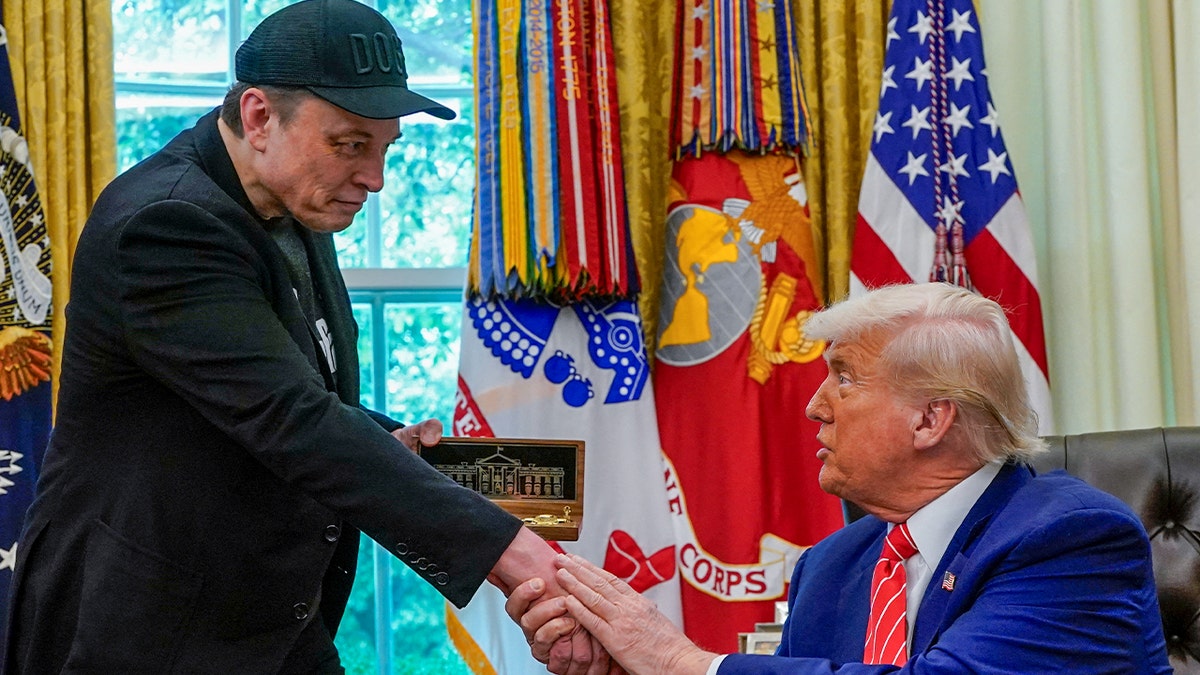
The following embed reflects the discourse surrounding these agency-wide changes:
X/Twitter:
We spent the weekend feeding USAID into the wood chipper. Could gone to some great parties. Did that instead.
&mdash. Elon Musk (@elonmusk) February 2025
The U.S. State Department continues to defend the administration’s approach. Tommy Pigott, a spokesman for the department, recently stated to the New York Times that claims regarding the negative impact of USAID reforms on the Ebola response are “false.” The department maintains that the restructuring was a necessary evolution of federal operations, intended to streamline efficiency and reduce bureaucratic waste.
Looking Ahead: Accountability and Public Health
The tension between administrative efficiency goals and the requirements of global health security remains a point of significant debate. As the Ebola outbreak continues to challenge health systems in the Democratic Republic of the Congo and Uganda, the focus of congressional oversight is expected to remain on the efficacy of the current U.S. Response. Future hearings before the House Committee on Foreign Affairs will likely serve as the next venue for further scrutiny into how funding decisions were reached and the direct impact those decisions had on the containment of the virus.
For those tracking the developments of this situation, it is recommended to monitor the U.S. House Committee on Foreign Affairs official portal for transcripts and schedules of upcoming oversight hearings. We invite our readers to share their perspectives and stay engaged as we continue to track this evolving story. Please comment below or share this report to help keep the conversation on global health accountability active.
Keep reading