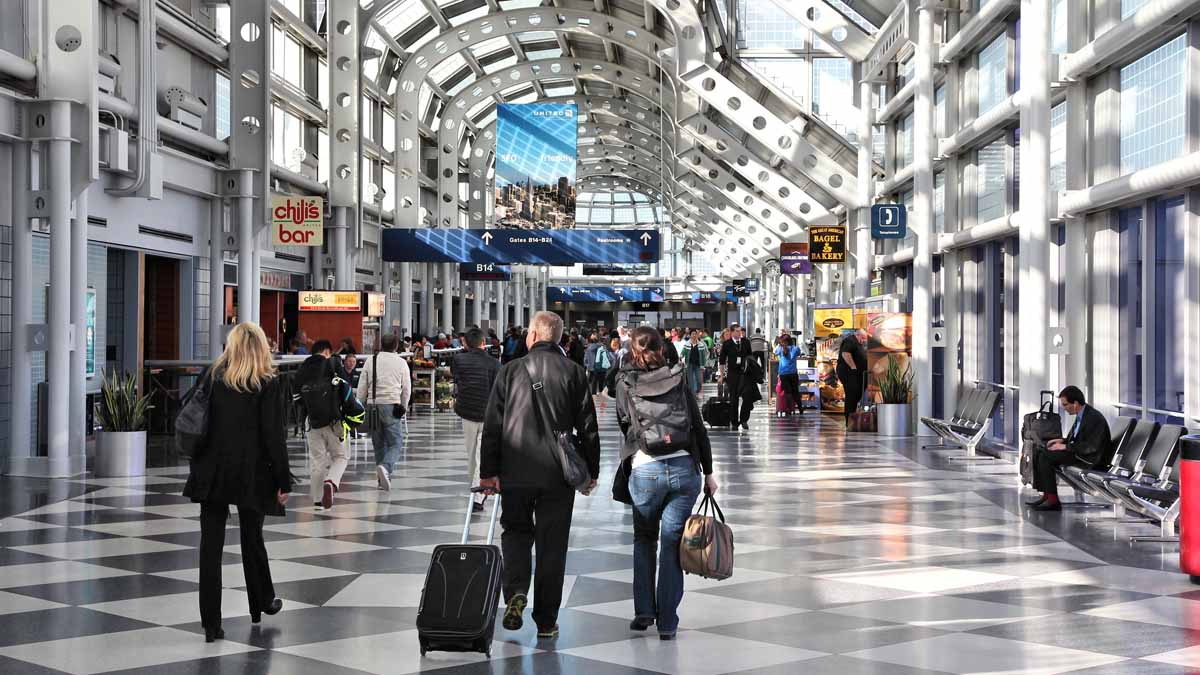
A series of severe thunderstorms triggered multiple ground stops at Chicago O’Hare International Airport on Wednesday, forcing significant delays for travelers across the national aviation network. According to the Federal Aviation Administration (FAA), the agency implemented tactical traffic management initiatives throughout the afternoon and evening as hazardous weather moved through the Illinois region.
The operational disruptions began in the late afternoon, with the FAA issuing an initial ground stop for arriving flights at approximately 4:45 p.m. local time. This measure, which prevents aircraft from departing for O’Hare from other airports, remained in effect until 6 p.m. Operations were briefly restored before a second, subsequent ground stop was mandated at 7:30 p.m., with officials initially projecting an expiration time of 8:45 p.m.
Impact on Air Travel and Schedule Reliability
The weather-related suspension of arrivals created a ripple effect across airline schedules. By 6 p.m., passengers bound for O’Hare faced average arrival delays of nearly three hours, according to real-time data monitoring. Departing traffic also suffered, with outbound flights experiencing average delays of 30 minutes by 5:30 p.m. as ground crews navigated the volatile conditions.
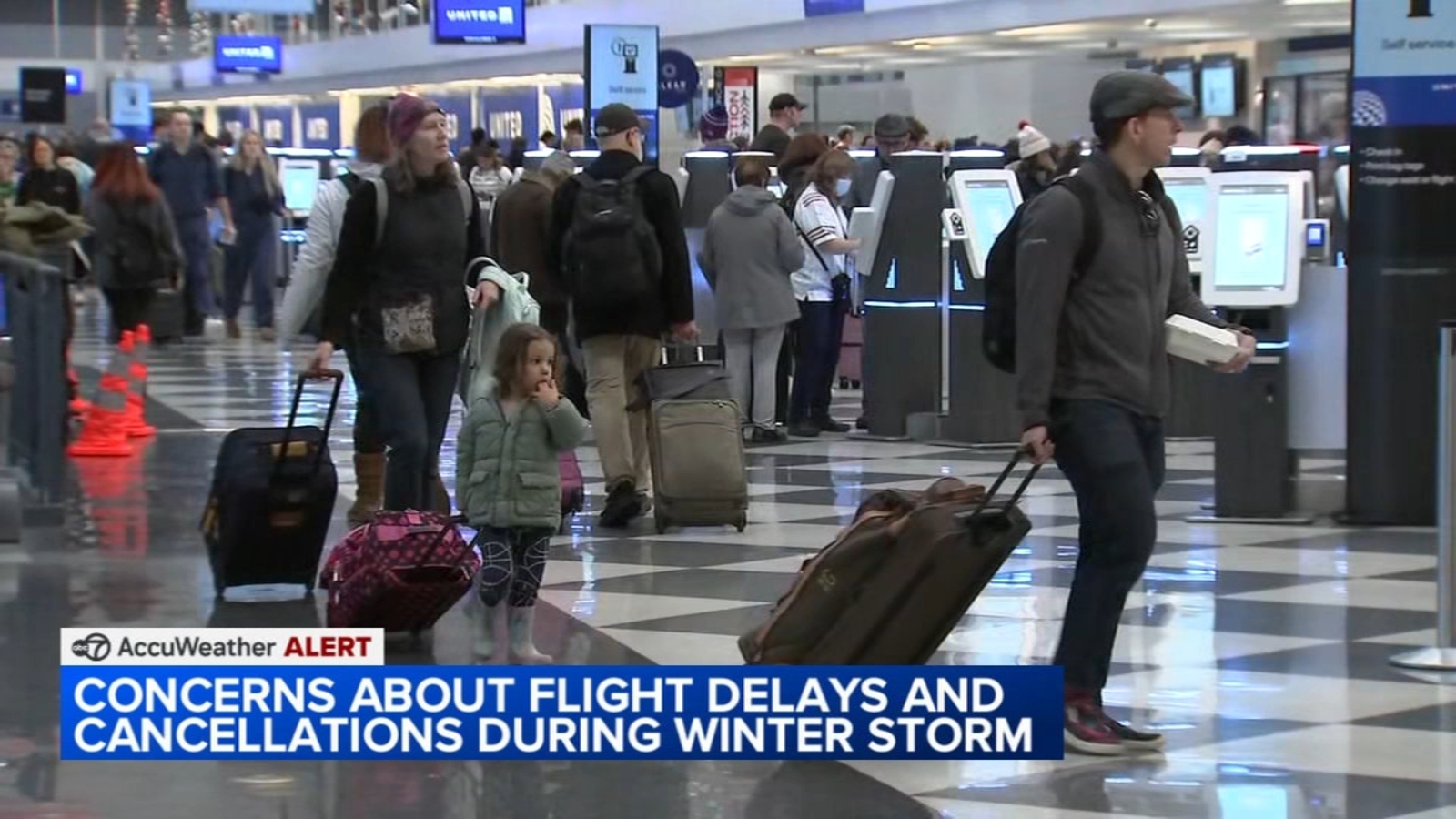
While O’Hare faced substantial congestion, nearby Chicago Midway International Airport reported no active ground stops as of 8 p.m. The disparity in operational status highlights the localized nature of the severe weather, which moved across specific corridors of the Chicago metropolitan area. Aviation analysts typically categorize such “ground stops” as a safety-critical tool used by the FAA to prevent the dangerous accumulation of aircraft on taxiways during periods of reduced visibility or high-risk weather phenomena.
Meteorological Context and Safety Protocols
The National Weather Service (NWS) maintained a severe thunderstorm watch for the Chicago area, effective until 10 p.m. on Wednesday. Meteorologists identified the primary threats as damaging wind gusts and large hail, both of which pose significant risks to ground operations and flight safety. While severe weather is common during the summer months in the Midwest, the intensity of these specific cells necessitated the FAA’s intervention to ensure the safety of ground personnel and flight crews.
Regarding the potential for tornadic activity, Storm Team 5 Meteorologist Kevin Jeanes noted the environmental conditions were conducive to isolated severe weather, stating that officials “can’t rule out an isolated tornado either.” These warnings prompted airport authorities to advise passengers to check their flight status directly with their respective carriers before departing for the terminal. Airlines often issue travel waivers during such events, allowing passengers to rebook without penalty.
How to Monitor Your Flight Status
For travelers currently navigating these delays, the most reliable source of information remains the official FAA Air Traffic Control System Command Center, which provides live updates on airport ground stops and delays. Passengers are encouraged to utilize their airline’s mobile application or website for the most accurate information regarding specific gate changes or cancellations.

The situation remains fluid. As of the latest reports, the FAA continues to monitor the movement of the storm front to determine if further extensions to the ground stop will be required beyond the 8:45 p.m. window. Travelers should prepare for potential lingering delays throughout the night as airlines work to reposition aircraft and crews that were displaced by the weather event. We will continue to update this page as new information becomes available from aviation and meteorological authorities.
Worth a look