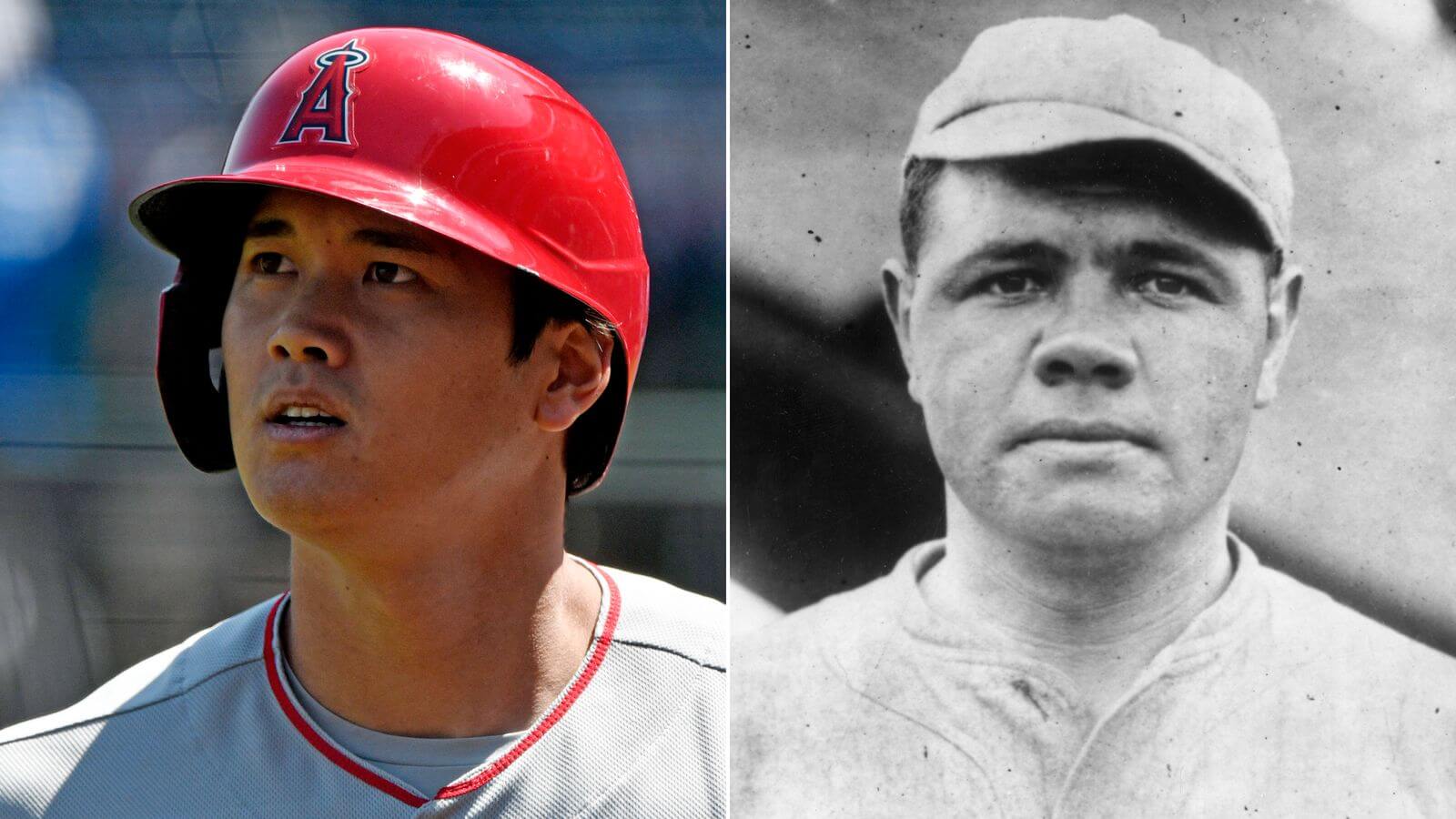
The Two-Way titan: How Shohei Ohtani Stacks Up Against Babe Ruth – A Definitive Comparison
For over a century, the name Babe Ruth has been synonymous with baseball greatness. His legendary power,charismatic personality,and transformative impact on the game cemented his place as arguably the greatest player of all time. But a new phenomenon has arrived on the scene, challenging that long-held notion: Shohei Ohtani. The Japanese superstar isn’t just a phenomenal hitter or pitcher - he excels at both, simultaneously. This begs the question: how do these two titans of the diamond truly compare? LetS delve into a detailed statistical analysis, contextualized by the eras they played in, to determine where Ohtani stands in relation to the Sultan of Swat.
understanding the Context: A Different Game, Different Eras
Before diving into the numbers, it’s crucial to acknowledge the important differences between Ruth’s era and today’s game. Training regimens, nutrition, pitching philosophies, and even the composition of the baseball itself have evolved dramatically. Comparing statistics directly can be misleading without considering these factors. Furthermore, Ruth’s early career was heavily focused on pitching; his offensive explosion came later. We’ll focus on their first eight seasons to provide a fair, albeit imperfect, comparison.
The Offensive Numbers: Ohtani’s Early Dominance
Looking at their first eight seasons, the offensive disparity is striking. Ohtani, playing in a more pitcher-friendly era, has already amassed 280 home runs compared to Ruth’s 46. While Ruth’s early career wasn’t defined by power hitting, the difference is undeniable. Ohtani also significantly surpasses Ruth in RBIs (669 vs. 143).
though, raw totals don’t tell the whole story. Ruth averaged 32 home runs per season over his 22-year career, a remarkable figure for his time. Ohtani currently averages 35, demonstrating a comparable power output adjusted for the modern game. interestingly, Ruth held an edge in RBIs per season (101 vs.Ohtani’s 84), suggesting a greater ability to drive in runs.
Beyond the headline numbers, Ohtani demonstrates superior athleticism. He averages 24 doubles and 16 triples per season, showcasing his speed and all-around hitting prowess. Ruth posted averages of 23 doubles and 6 triples. Both players average 131 hits per season, highlighting their consistent ability to find the barrel.Ohtani also boasts a significant advantage in stolen bases (21 vs. 6), reflecting a more dynamic offensive profile.
A surprising statistic reveals Ruth’s extraordinary plate discipline: he averaged only 60 strikeouts per season, compared to Ohtani’s 138.This speaks to Ruth’s remarkable contact hitting ability. Ruth also reached base more frequently, with 99 runs scored and 94 walks compared to Ohtani’s 89 runs and 68 walks.
On the Mound: Ruth’s Legacy vs. Ohtani’s Potential
While Ohtani’s offensive numbers are instantly eye-catching, his pitching performance is equally remarkable, especially considering the rarity of a true two-way player. Ruth was a dominant pitcher in his early years, finishing with a career record of 92-46, a .666 winning percentage. Ohtani currently stands at 39-20,a .661 winning percentage.
However, the context is vital. Ruth pitched significantly more innings and completed far more games (105 complete games and 17 shutouts) – a testament to the different demands placed on pitchers in his era. Ohtani’s pitching workload is carefully managed to preserve his hitting ability.
Where Ohtani truly shines is in his strikeout rate, averaging 84 strikeouts per season compared to Ruth’s 61. This reflects the increased velocity and movement of modern pitching. Ruth allowed only 10 home runs throughout his pitching career, a remarkable statistic given the era. Ohtani has surrendered 56, a consequence of facing hitters in a power-driven league.
The Verdict: A New Standard of Greatness
Analyzing these statistics,it’s clear that Ohtani is not simply matching Babe Ruth; in many key offensive categories,he is surpassing him,even when adjusted for the differences in eras. While Ruth’s pitching record is impressive, Ohtani
Related reading