
In a striking visual shift that reflects the economic ripple effects of the Iran-Israel conflict, Japan’s Calbee—one of the nation’s most beloved snack brands—has announced it will temporarily replace its colorful crisp and prawn cracker packaging with monochrome black-and-white designs. The move, confirmed by the company this week, stems from a surge in petrochemical costs that has made traditional ink production prohibitively expensive, forcing manufacturers to scale back on vibrant packaging.
The decision underscores how the global oil crisis, now in its third month, is bleeding into everyday consumer products. With Brent crude prices hovering near $110 a barrel—a level not seen since 2014—and the Strait of Hormuz under heightened tension, the cost of producing petroleum-based inks has skyrocketed. Calbee’s switch to simpler designs is not just an aesthetic choice; it’s a pragmatic response to a supply chain under strain.
For consumers accustomed to the bright, eye-catching packaging of Japanese snacks—from Calbee’s iconic Karaage (fried chicken) crisps to its Prawn Crackers—the change marks an unusual moment in a market where branding and presentation are as essential as taste. But for industry analysts, it’s a clear signal: the war in the Middle East is no longer just a geopolitical story—it’s reshaping the economics of the products we buy every day.
Why Calbee’s Packaging Shift Matters
Calbee’s decision comes as oil prices remain volatile, with Brent crude trading at nearly $110 per barrel—a level last seen during the 2014 oil shock. The surge is directly tied to the conflict in the Strait of Hormuz, a critical chokepoint for global oil and gas flows, which handles roughly 20% of the world’s seaborne trade in these commodities. The International Energy Agency (IEA) has already released 400 million barrels from emergency reserves—the largest drawdown in its history—but markets remain jittery, with Dubai crude, the benchmark for Asian buyers, hitting record highs above $150 per barrel in recent trading.
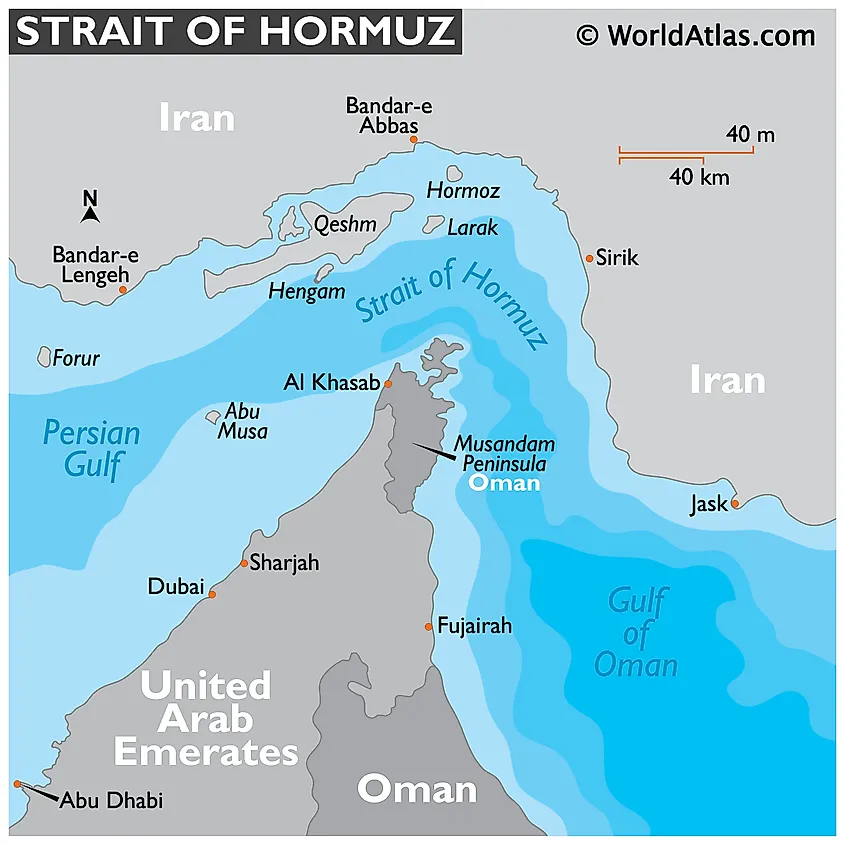
The impact on petrochemicals—and by extension, packaging—is immediate. Inks used in food packaging are derived from crude oil and with prices spiking, manufacturers are facing a stark choice: either absorb the cost hike and risk margin erosion, or simplify production to cut expenses. Calbee’s move to black-and-white packaging is a cost-saving measure that avoids passing the full burden onto consumers, though industry insiders warn this could be the first of many such adjustments.
Key Takeaways:
- Direct oil-war link: Petrochemical ink costs have surged due to Brent crude nearing $110/barrel and Dubai crude hitting $150/barrel.
- Supply chain strain: The Strait of Hormuz’s disruption has tightened global oil flows, pushing petrochemical prices higher.
- Consumer impact: Simplified packaging may become more common as manufacturers seek to offset rising costs.
- Broader implications: The shift reflects how geopolitical conflicts increasingly influence everyday product design.
The Petrochemical Pipeline: How Oil Prices Affect Your Snack Pack
Petrochemicals are the invisible backbone of modern manufacturing, used in everything from plastics to fertilizers to—yes—inks. When oil prices rise, so do the costs of producing these chemicals. For packaging manufacturers, the increase is particularly acute because inks require a mix of solvents, pigments, and binders, all of which are oil-derived.

According to the American Chemistry Council, the petrochemical industry accounts for roughly 6% of global oil demand. With Brent crude prices up 80% since the Iran-Israel conflict began in late February, the cost of producing inks has risen sharply. For companies like Calbee, which prints millions of packages daily, the math is simple: either reduce production costs or risk higher retail prices.
Calbee’s spokesperson confirmed the packaging change in a statement to World Today Journal, noting that “while we regret the visual impact on our products, this decision ensures we can maintain affordability for consumers during this period of global uncertainty.” The company has not specified how long the black-and-white packaging will remain in place, but industry analysts suggest it could persist as long as oil prices stay elevated.
Beyond Snacks: The Wider Fallout of Oil Price Volatility
The ripple effects of soaring oil prices extend far beyond snack packaging. In Japan, where manufacturing is deeply integrated with global supply chains, businesses across sectors are feeling the pinch. The Japan Times reported this week that automotive manufacturers—another major consumer of petrochemicals—are facing delays in production due to shortages of resins and adhesives.
Meanwhile, in Europe and the U.S., food and beverage companies are exploring alternatives to traditional packaging. Some are turning to plant-based inks, though these are often more expensive and less vibrant. Others are reducing the thickness of packaging materials to cut costs. The trend highlights a broader challenge: as geopolitical tensions persist, businesses must adapt quickly to avoid passing costs onto consumers or risking supply chain disruptions.
For Calbee, the immediate priority is stability. The company has not announced plans to change its product formulations—only the packaging. But if oil prices remain high, further adjustments could be on the horizon. “This is a temporary measure,” said a Calbee executive, “but it reflects the new reality we’re all facing.”
What’s Next? Watching the Oil Market and Supply Chains
The next critical checkpoint for oil prices will be the OPEC+ meeting on June 2, 2026, where member nations are expected to discuss production levels in response to the ongoing conflict. Any decision to cut or maintain output will have immediate implications for petrochemical costs—and by extension, packaging trends worldwide.
For consumers, the most immediate impact may be subtle: fewer colors on snack bags, perhaps slightly higher prices in the coming months. But for businesses, the message is clear: the era of cheap, abundant petrochemicals is over. The question now is how quickly industries can adapt—and whether consumers will notice the changes before they hit the shelves.
What do you think? Will you miss the colorful packaging, or are you more concerned about rising costs? Share your thoughts in the comments below.
Related reading