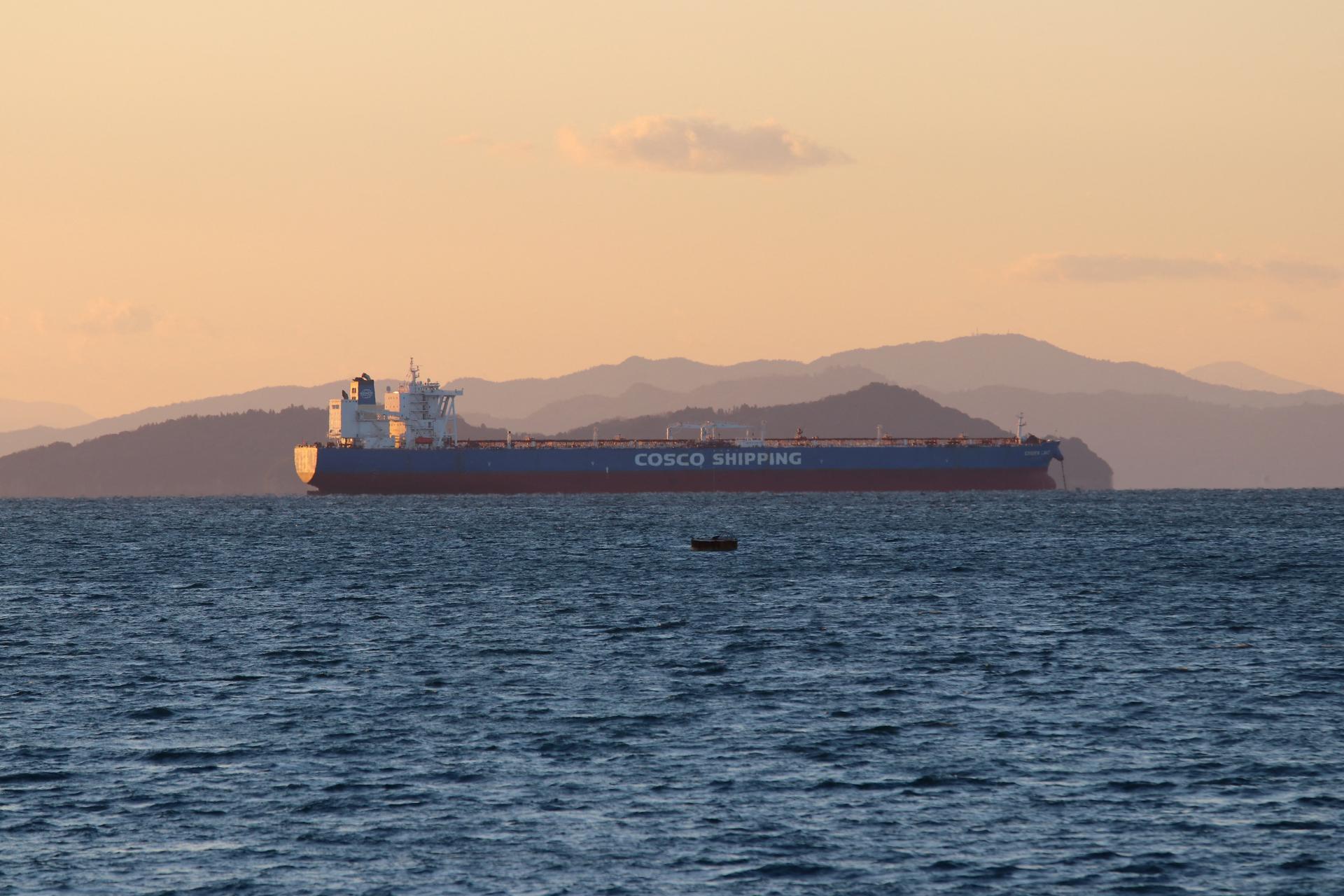
Crude oil prices dropped sharply across global markets following signs of easing geopolitical tensions in the Middle East, offering a brief reprieve to consumers and industrial buyers facing persistent inflationary pressures. According to international financial reporting, the downward price correction was driven by market sentiment reacting to diplomatic efforts and moderated military escalations in the region, which reduced immediate fears of severe supply disruptions through critical shipping lanes.
As global benchmark figures retreated from recent multi-month highs, energy analysts and market participants closely monitored how diplomatic channels would hold up against ongoing regional volatility. The sudden shift in commodity pricing highlights how rapidly energy markets respond to political developments in key petroleum-producing areas, shifting the financial calculus for transport companies, airlines, and motorists worldwide.
Market Mechanics and Geopolitical Catalysts
Energy commodities frequently experience high volatility during periods of heightened conflict, particularly when tensions affect the Strait of Hormuz or major oil infrastructure in the Middle East. When diplomatic initiatives signal a potential cooling-off period between major state actors, speculative risk premiums embedded in crude futures tend to unwind quickly. According to market data from major trading exchanges, the latest downward movement reflects a reassessment of supply risk rather than an immediate shift in physical supply and demand balances.
Traders and commodity brokers note that while futures contracts fell significantly over several trading sessions, structural vulnerabilities remain. Inventories in key OECD economies and production quotas managed by the Organization of the Petroleum Exporting Countries and its allies (OPEC+) continue to play a dominant role in setting baseline costs. Consequently, any unexpected escalation or breakdown in diplomatic talks can reverse price trends within hours, keeping corporate treasurers and procurement managers on high alert.
Economic Impact on Consumers and Industry
The recent drop in petroleum costs flows directly into wholesale refined products, eventually influencing retail fuel prices at service stations across Europe and North America. In regions where pump prices had threatened to breach psychological thresholds—such as two euros per liter in parts of Central Europe—the retreat in crude benchmarks provides welcome relief for household budgets and logistics firms operating on tight profit margins.
Transportation and manufacturing sectors are particularly sensitive to sustained energy price movements. Lower input costs help stabilize production expenses, dampening broader consumer price inflation indices that central banks monitor closely when setting monetary policy. However, economists caution that retail prices often lag behind wholesale drops due to existing inventory costs and local tax structures, meaning consumers may experience gradual rather than immediate savings at the pump.
Outlook and Monitoring Upcoming Energy Indicators
Financial analysts emphasize that energy market stability depends heavily on upcoming diplomatic meetings, official statements from state energy ministries, and weekly inventory reports published by agencies such as the U.S. Energy Information Administration (EIA) and the International Energy Agency (IEA). Market participants continue to track these data releases to gauge whether the current price correction will consolidate or prove temporary.
Observers seeking up-to-date pricing data and official economic advisories can consult regular market updates provided by financial news services or regulatory bodies such as the European Commission’s Directorate-General for Energy. Stakeholders are encouraged to share their perspectives or join the discussion in the comments section below.
Worth a look