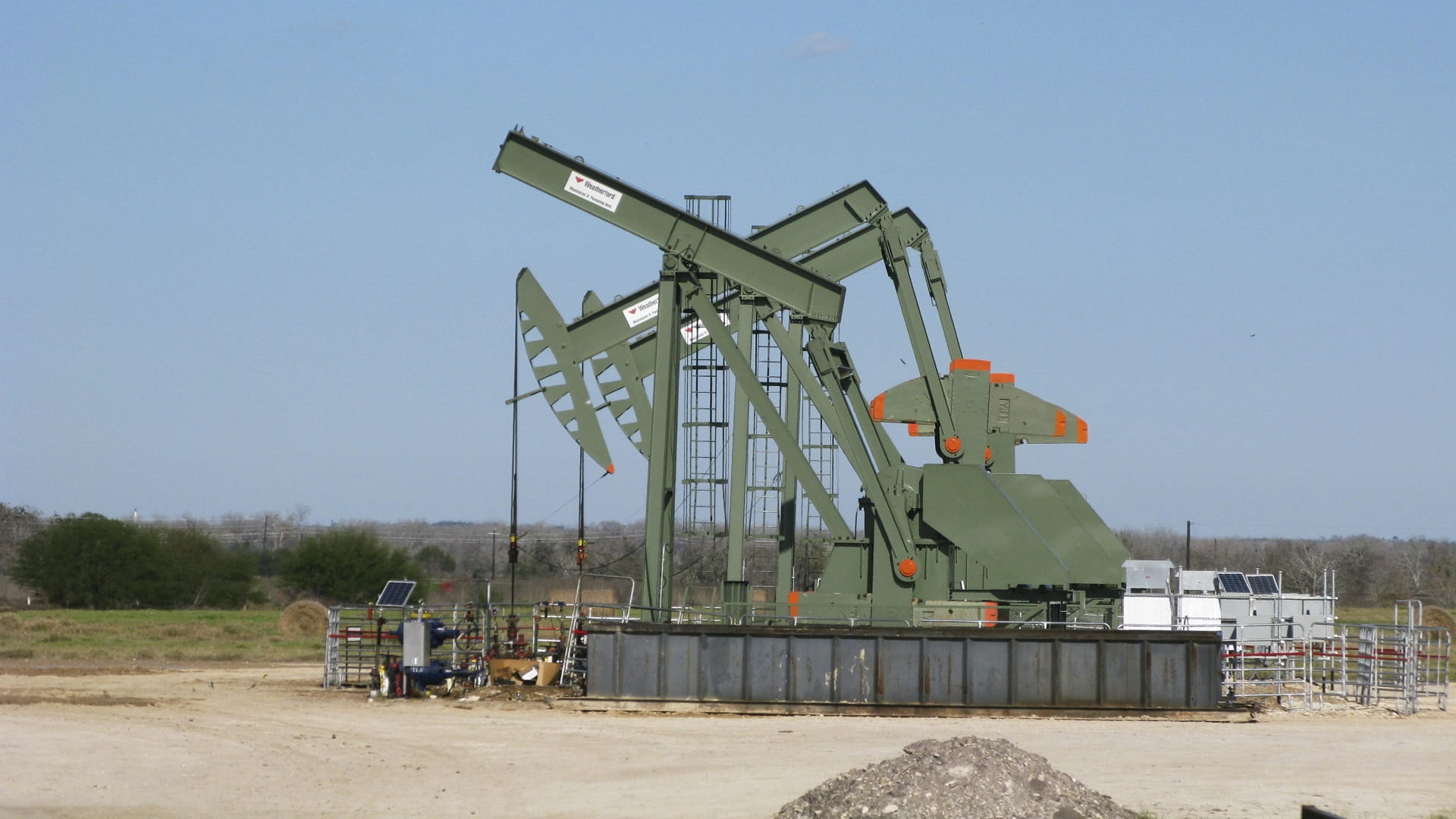
Brent crude oil prices fell approximately 5% to $78.96 per barrel, hitting a three-month low as market participants reacted to a reduction in the geopolitical risk premium following reports of potential easing of tensions in the Middle East. The decline, which brought prices below the $80 threshold for the first time since March, follows shifting expectations regarding oil supply through the Strait of Hormuz and updated economic forecasts from major financial institutions.
The downward pressure on the global benchmark comes as traders weigh a combination of improved supply outlooks from the Gulf region and diplomatic developments involving the United States and Iran. These factors have collectively diminished the “risk premium”—the additional cost embedded in oil prices to account for potential supply disruptions caused by regional conflict.
Why did Brent crude prices drop to a three-month low?
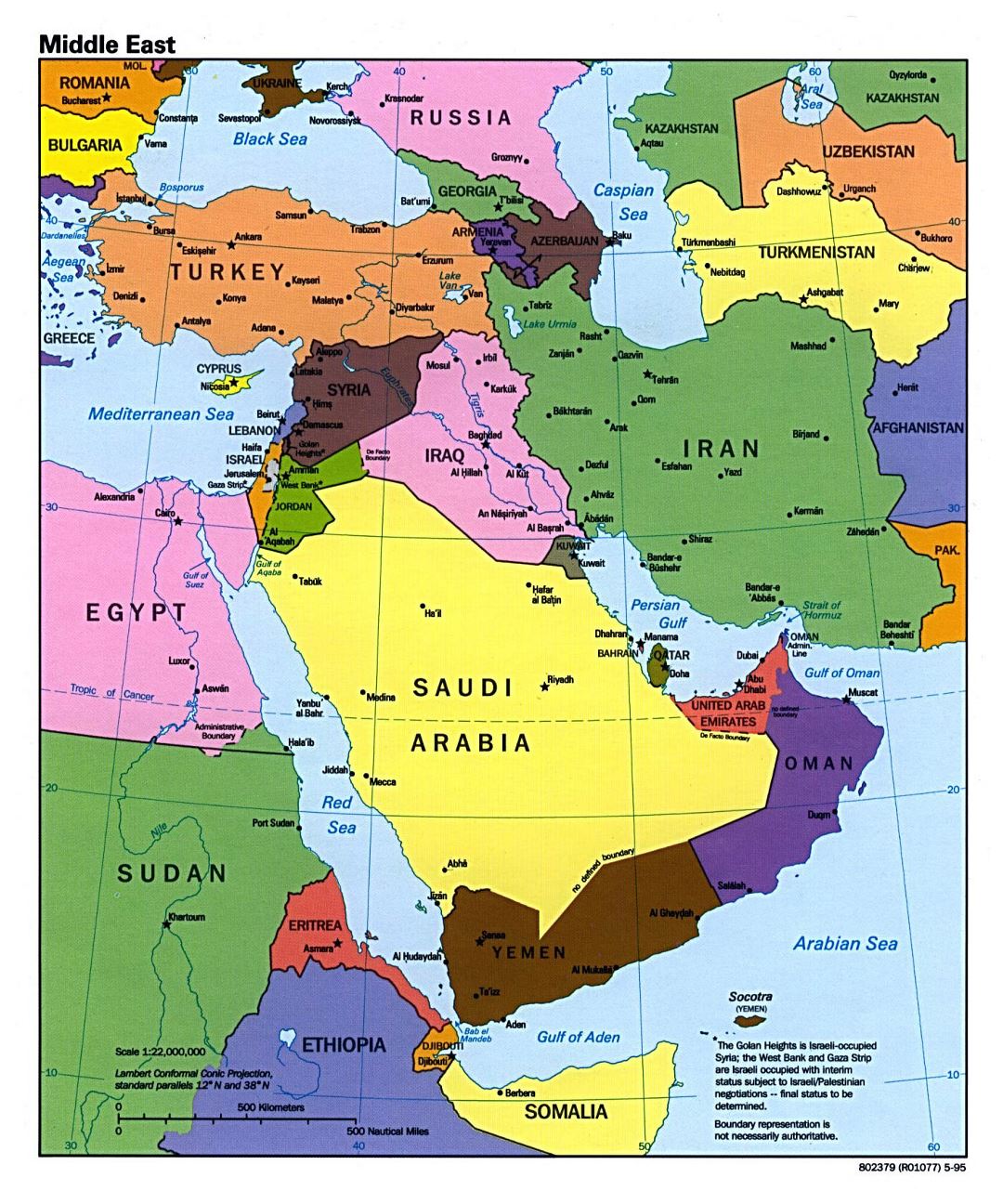
The primary driver for the 5% slide in Brent crude is the diminishing perceived threat to maritime oil transit routes. According to market reports, news regarding a potential agreement or easing of tensions involving the United States and Iran has led investors to believe that the Strait of Hormuz may face fewer disruptions. This waterway is critical to global energy security, as a significant portion of the world’s liquid petroleum products passes through its narrow shipping lanes.
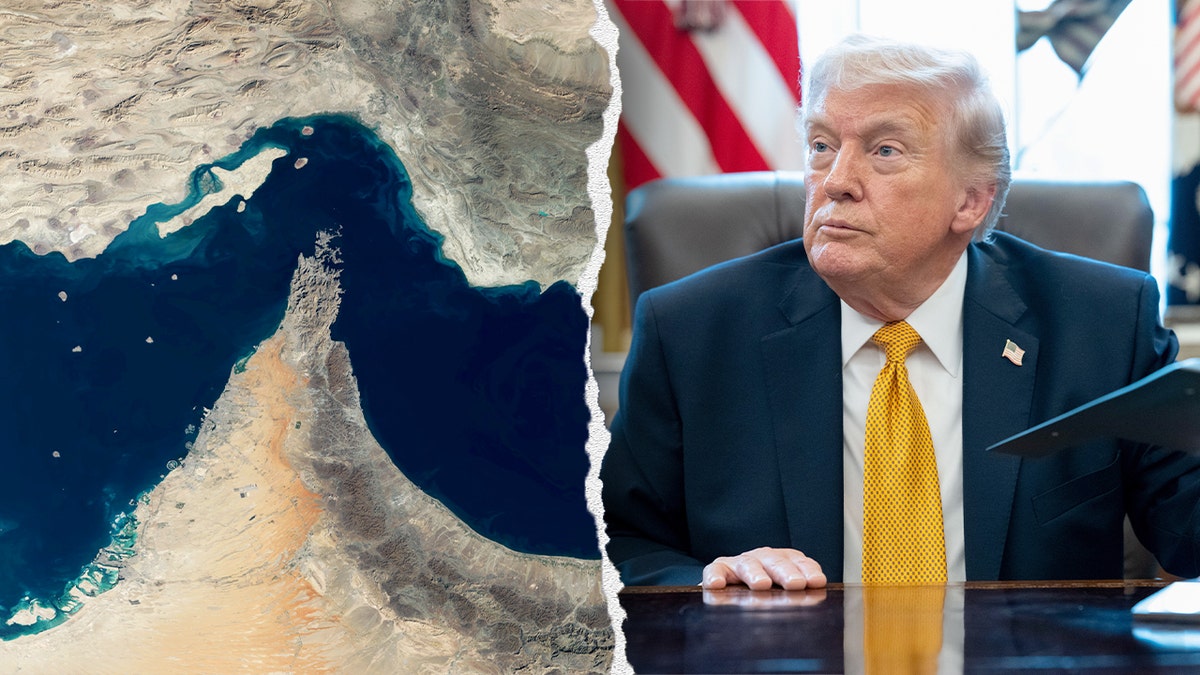
As the immediate threat of a supply blockade or regional escalation recedes, the volatility that had previously kept prices elevated has subsided. This shift has allowed the market to refocus on fundamental supply and demand metrics rather than purely geopolitical speculation. Traders are currently betting on a return to more stable supply levels from Gulf producers, which further weighs on the benchmark price.
Furthermore, the drop below $80 per barrel represents a psychological and technical shift for the market. Analysts note that breaching this level often triggers automated selling from institutional investors, adding momentum to the downward trend. This movement marks the first time the benchmark has traded at these levels since the spring, signaling a significant cooling in energy market sentiment.
How are Goldman Sachs and Citigroup adjusting their oil forecasts?
Major financial institutions have moved to recalibrate their energy outlooks in response to these shifting dynamics. Both Goldman Sachs and Citigroup have reportedly lowered their price forecasts for crude oil, citing the reduced likelihood of a prolonged supply shock in the Middle East. These revisions reflect a broader consensus among analysts that the “geopolitical floor” for oil prices has dropped.
The decision by these banks to revise their targets is linked to several key factors:
- Reduced Risk Premium: The expectation that diplomatic channels or new agreements will keep the Strait of Hormuz open reduces the need for high contingency pricing.
- Supply Stability: Increased confidence in the ability of Gulf nations to maintain or expand output without interference.
- Demand Uncertainty: Ongoing concerns regarding global economic growth, particularly in major consuming economies, which may temper long-term demand.
The downward revisions by Goldman Sachs and Citigroup serve as a signal to institutional investors that the era of high-volatility, high-price oil driven by conflict may be entering a period of consolidation or decline. These banks typically use a combination of macroeconomic modeling and supply-chain analysis to set these targets, and their recent adjustments suggest a pivot toward a more “normalized” supply-demand environment.
Comparison of Market Sentiment and Forecast Shifts
| Factor | Previous Market Stance | Current Market Stance |
|---|---|---|
| Geopolitical Risk | High (Conflict-driven premium) | Diminishing (Diplomacy-driven) |
| Strait of Hormuz | High threat of disruption | Expected stability/open transit |
| Bank Forecasts | Bullish/Stable | Revised downward (Goldman/Citi) |
| Brent Price Level | Above $80/barrel | Below $80 ($78.96) |
What are the implications of lower oil prices for the global economy?
A sustained drop in crude oil prices has multifaceted implications for both producers and consumers. For energy-importing nations, lower oil prices can act as a tailwind for economic growth by reducing input costs for manufacturing and transportation, potentially easing inflationary pressures. Central banks often monitor energy prices closely, as significant declines in fuel costs can influence decisions regarding interest rate trajectories.
Conversely, for major oil-exporting economies, particularly those within the OPEC+ alliance, a drop toward the $70–$80 range poses challenges to fiscal budgets. These nations rely heavily on petroleum revenues to fund public spending and infrastructure projects. If prices remain depressed, these governments may be forced to adjust production levels or implement austerity measures to balance their budgets.
The current price action also highlights the sensitivity of the energy sector to maritime security. The Strait of Hormuz remains a “choke point” for the global economy; any event that impacts the flow of oil through this region will immediately counteract the current downward trend. Consequently, while the market is currently pricing in stability, the underlying geopolitical landscape remains a primary source of potential volatility.
What happens next for the oil market?
Market participants are now looking toward upcoming economic data and official statements from major oil-producing nations to determine if this price floor will hold. Key indicators to watch include:
- OPEC+ Production Meetings: Any signals regarding production cuts or increases will directly impact global supply levels.
- U.S. Inventory Reports: Weekly data from the Energy Information Administration (EIA) regarding crude stockpiles will provide insight into immediate demand.
- Diplomatic Developments: Continued updates regarding US-Iran relations and maritime security protocols in the Persian Gulf.
The next major checkpoint for market direction will be the release of the upcoming monthly petroleum report and any scheduled communications from OPEC+ leadership regarding their production quotas for the next quarter.
What are your thoughts on the recent shift in oil prices? Do you believe the geopolitical risk premium is permanently receding, or is this a temporary dip? Let us know in the comments below and share this article with your network.
Worth a look