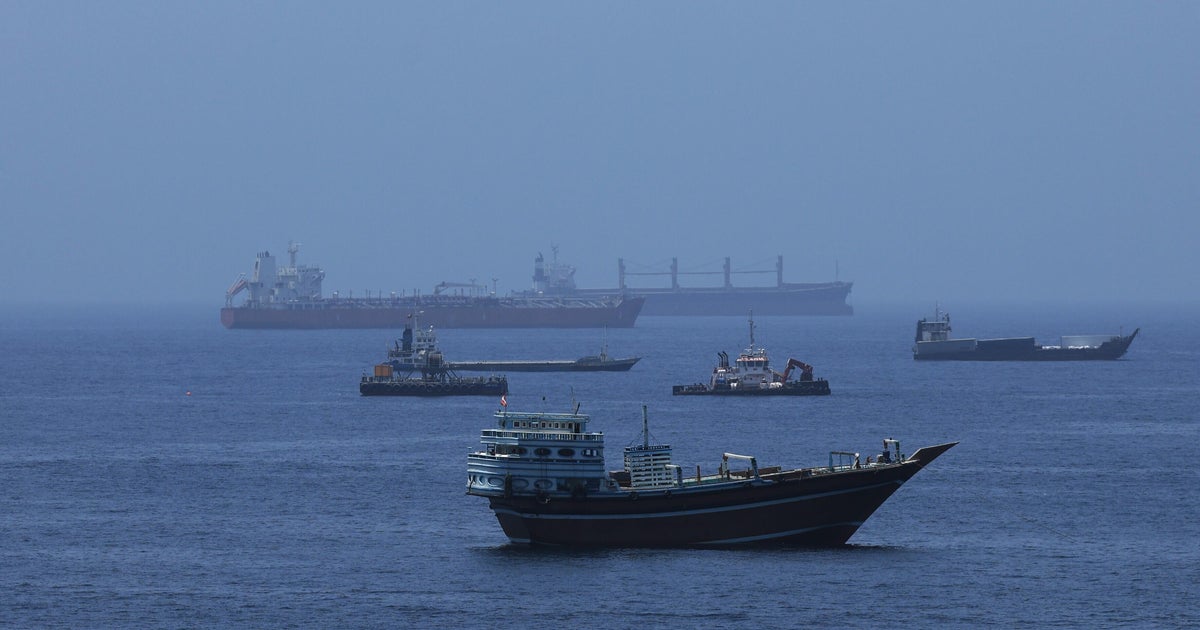
Global oil prices continued their downward trend this week as market participants reacted to reports that Oman has ruled out the imposition of transit fees for vessels passing through the Strait of Hormuz. The stability of this critical maritime chokepoint, through which approximately 20% of the world’s total petroleum liquids consumption passes, remains a primary factor in global energy pricing, according to the U.S. Energy Information Administration. As geopolitical tensions in the Middle East show signs of cooling, traders are recalibrating risk premiums that had previously pushed energy costs higher.
The clarification from Muscat regarding transit fees follows a period of heightened concern regarding the security of the strait, a narrow waterway situated between Oman and Iran. While international maritime law under the United Nations Convention on the Law of the Sea generally guarantees the right of transit passage for vessels, speculation regarding potential levies had contributed to price volatility in recent months. The absence of such fees ensures that the cost of transporting crude oil from major Gulf producers—including Saudi Arabia, Iraq, and the United Arab Emirates—remains consistent with established international shipping standards.
Market Reaction and Price Volatility
Crude oil benchmarks, including Brent and West Texas Intermediate (WTI), have seen downward pressure as supply chain concerns ease. According to data from the International Energy Agency, current supply levels are sufficient to meet global demand, and the removal of the “transit fee” narrative has led to a reduction in the speculative premiums investors previously attached to oil futures. When the threat of disruption at the Strait of Hormuz recedes, the immediate impact is typically a softening of prices as the market discounts the risk of a supply blockade.

The relationship between the U.S. and Iran remains a focus for analysts tracking regional stability. Developments regarding diplomatic channels have provided a level of reassurance to the markets. As noted by the U.S. Department of State, maintaining open lines of communication is viewed as essential for regional de-escalation. Investors are currently watching for further policy signals from Washington and Tehran to determine if the current downward price trajectory will persist through the next fiscal quarter.
The Strategic Importance of the Strait
The Strait of Hormuz is widely considered the world’s most important oil chokepoint. With a width of only 21 miles at its narrowest point, the shipping lane is vital for the export of liquefied natural gas (LNG) and crude oil. Any disruption, whether through military intervention or the imposition of non-standard administrative fees, would force global oil prices to spike, creating inflationary pressure on energy-importing nations, according to a report by the World Bank.
Oman’s decision to maintain the status quo is consistent with its long-standing foreign policy of neutrality and its role as a regional mediator. By ruling out transit fees, Oman has reaffirmed its commitment to the “transit passage” provisions of international law. This stance provides a predictable environment for shipping companies and insurers, which in turn helps stabilize the cost of insurance premiums for tankers operating in the Persian Gulf.
What Happens Next for Energy Traders
Market participants are now looking toward the next meeting of the Organization of the Petroleum Exporting Countries and its allies, known as OPEC+. The OPEC Secretariat is expected to review production quotas in the coming months, a move that will likely serve as the next major catalyst for price movement. Traders will weigh the current geopolitical calm against potential shifts in production targets.
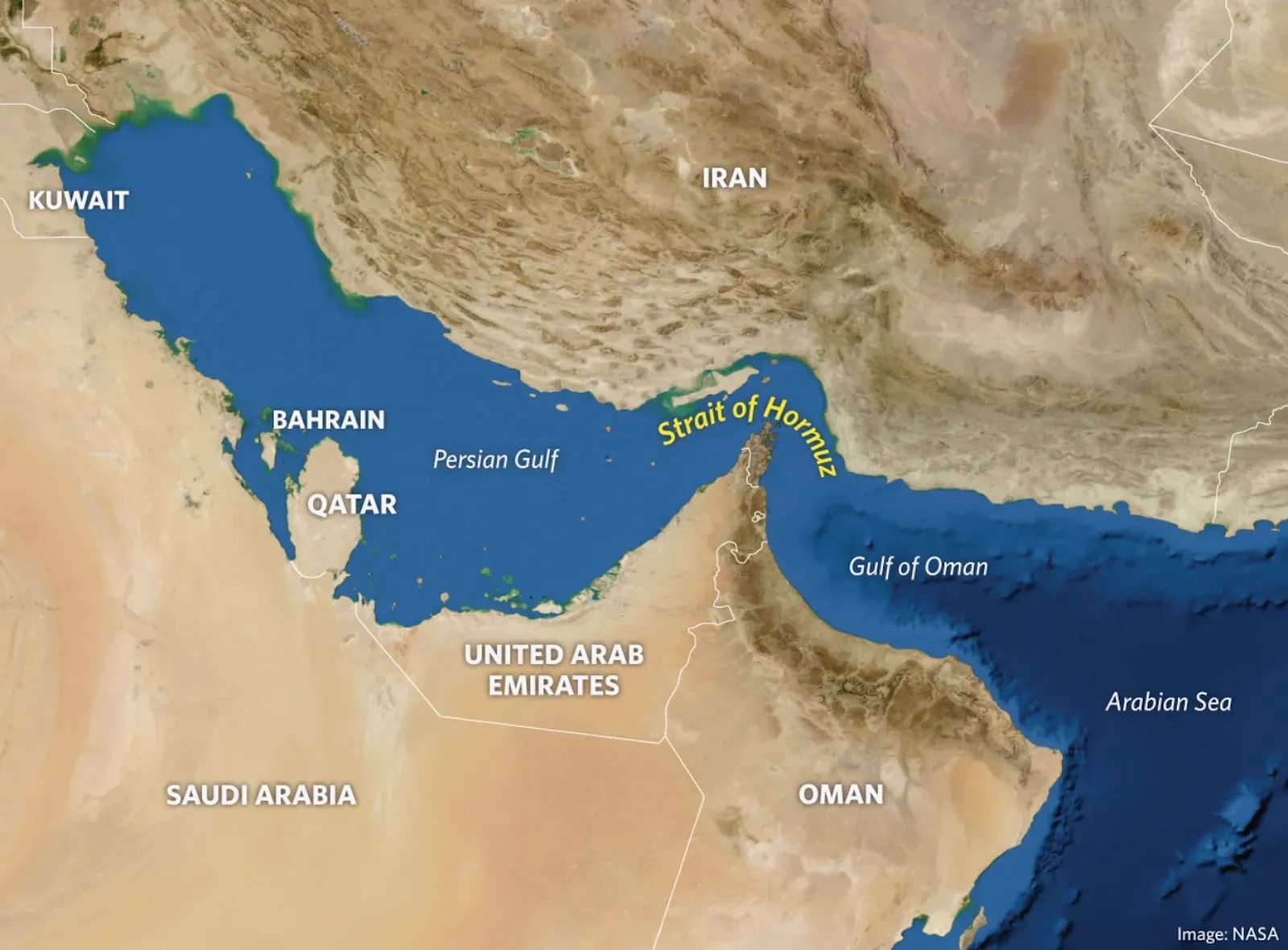
For the average consumer and industrial buyer, the current decline in oil prices may lead to lower fuel and heating costs in the short term. However, the energy market remains sensitive to unexpected disruptions. The next significant checkpoint for this story will be the release of the next set of inventory data from the U.S. Energy Information Administration, which provides a snapshot of domestic supply and demand. Readers are encouraged to monitor official government filings for updates on regional security and maritime policy.
Have you observed shifts in fuel costs in your region? Join the conversation by sharing your insights in the comments section below.
Related reading
- Bolivia’s Lost Decades: Diplomacy, Decadence, and Washington Embassies
- Flock CEO Announces New Safeguards After Police Abuse of Surveillance Tech to Stalk Exes
- AJ Brown: The Enemy Speaks Kindly and Holds a Knife (world-today-news.com)
- Microsoft Raises Windows 11 OEM Fees, Adding Pressure to PC Prices (time.news)