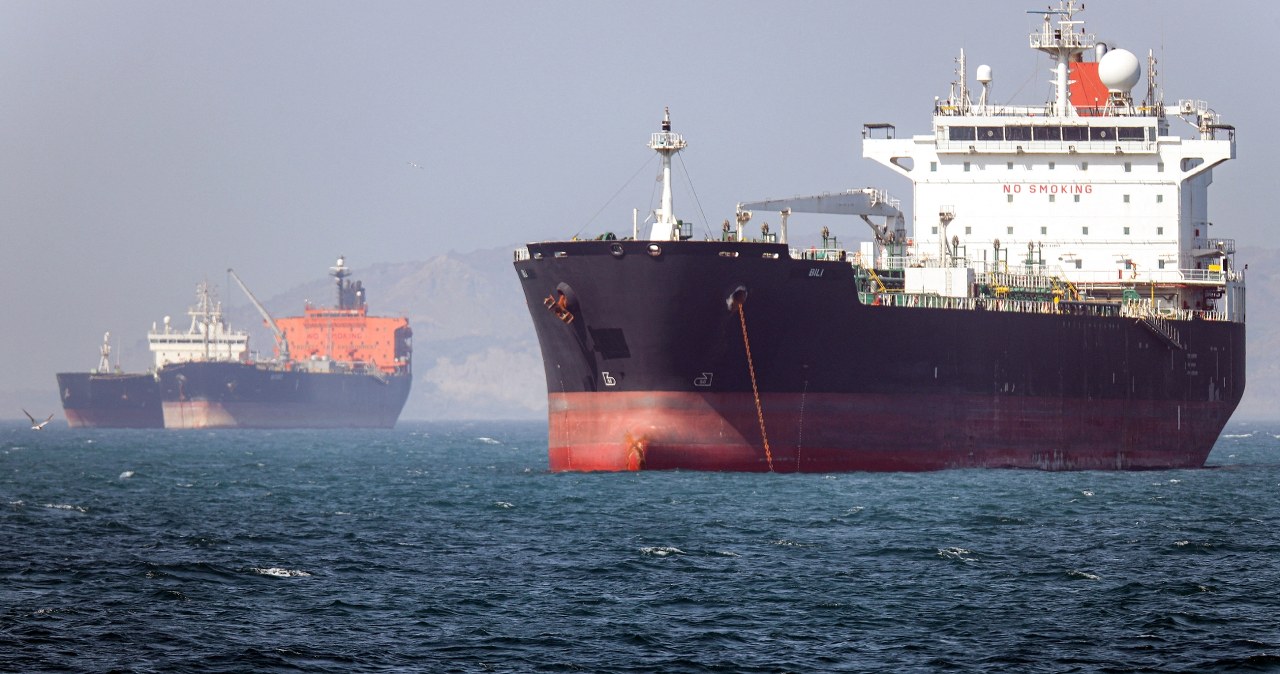
Global crude oil prices have declined as a reduction in perceived Middle East geopolitical tensions and shifting political expectations in the United States signal a potential easing of supply risks. This downward movement in Brent and West Texas Intermediate (WTI) benchmarks reflects a diminishing “geopolitical risk premium” as investors weigh the possibility of increased maritime stability in the Strait of Hormuz and potential changes in the enforcement of Iranian oil sanctions.
The recent softening in energy markets follows a period of high volatility driven by direct confrontations in the Middle East. According to recent market analysis, the stabilization of shipping routes near the Strait of Hormuz has contributed to a sense of “clarity” regarding regional supply chains. As vessels resume more regular transit through this critical maritime chokepoint, the immediate fear of a total blockade or significant disruption to oil flows has subsided, leading to a sell-off in crude futures.
Market participants are also increasingly factoring in political developments in the United States. Speculation regarding the potential impact of a change in the U.S. administration has led traders to adjust their long-term outlook on energy policy, specifically concerning the implementation and enforcement of sanctions against major oil-producing nations like Iran. While official policy shifts remain speculative, the market’s reaction suggests that investors are pricing in a scenario of different diplomatic and economic engagement strategies.
Why is the geopolitical risk premium receding?
The “geopolitical risk premium” refers to the additional cost added to oil prices due to the possibility of conflict, supply disruptions, or political instability in oil-producing regions. For much of the recent period, this premium remained elevated as tensions between Israel and Iran escalated, raising fears of a wider regional war that could incapacitate energy infrastructure.

Current market trends suggest this premium is being stripped away for several reasons. First, the immediate threat of direct, large-scale kinetic conflict between major regional powers appears to have entered a period of relative stasis. Second, the increased frequency of commercial shipping in the Strait of Hormuz provides a tangible metric of reduced operational risk. When tankers move through these waters without the immediate threat of seizure or attack, the perceived cost of insurance and the risk of sudden supply shortages decrease.
Analysts note that the market often reacts more to the perception of stability than to the stability itself. Even as regional tensions remain unresolved, the absence of new, escalatory events allows traders to focus on fundamental supply and demand metrics rather than purely speculative risk. This shift in focus has contributed to the current downward pressure on crude benchmarks.
The strategic importance of the Strait of Hormuz
The Strait of Hormuz serves as one of the world’s most vital maritime corridors, connecting the Persian Gulf with the Gulf of Oman and the Arabian Sea. It is a narrow waterway through which a significant portion of the world’s daily petroleum liquid consumption passes. Any disruption in this passage has an immediate and disproportionate impact on global energy prices.
The return of increased vessel traffic to the area is a key indicator for energy analysts. According to maritime tracking data, the movement of tankers through the Strait is closely monitored as a proxy for regional security. A steady or increasing flow of ships suggests that maritime security protocols are holding and that the risk of localized skirmishes interfering with commercial transit is currently manageable.
For global economies, the stability of this route is essential for maintaining predictable inflation rates and energy costs. A blockade or significant disruption in the Strait would likely trigger a rapid spike in oil prices, impacting everything from transportation costs to industrial manufacturing. The current trend of “ships returning” to these routes provides a psychological and economic buffer against such volatility.
How political shifts influence Iranian oil sanctions
A significant driver of recent market sentiment is the speculation surrounding U.S. energy policy and its relationship with Iran. For years, U.S. sanctions have aimed to restrict Iran’s ability to export oil, thereby limiting its revenue and influencing global supply levels. However, the market is currently reacting to the possibility that a different political approach in Washington could alter this dynamic.
The “Trump factor” has become a notable element in energy trading. Investors are analyzing how a potential return to the policies of the Trump administration might impact the enforcement of sanctions. There are two primary ways the market interprets this:
- Hardline Enforcement: A return to “maximum pressure” could tighten global supply by further restricting Iranian exports, potentially driving prices up.
- Negotiated Stability: Conversely, some market participants believe that shifts in administration could lead to new diplomatic frameworks that might eventually allow for more predictable, albeit regulated, flows of oil, which could stabilize or lower prices.
As of now, the Iranian government has remained largely silent regarding these specific market speculations. This lack of official commentary has allowed market sentiment to drive price action, as traders rely on historical patterns and political forecasting rather than confirmed diplomatic shifts. The uncertainty regarding exactly how new U.S. policies would be applied to maritime enforcement and sanction loopholes remains a primary source of market movement.
Comparing global crude benchmarks
The decline in oil prices is visible across both primary global benchmarks: Brent crude and West Texas Intermediate (WTI). While both have trended downward, they react to slightly different stimuli. Brent, which serves as the benchmark for roughly two-thirds of the world’s internationally traded crude oil, is more sensitive to Middle Eastern geopolitical developments and maritime security in the Strait of Hormuz.

WTI, the benchmark for U.S. oil production, is more heavily influenced by North American domestic production levels, inventory reports from the U.S. Energy Information Administration (EIA), and broader trends in the U.S. economy. However, because the global energy market is highly interconnected, the “de-risking” seen in Brent due to Middle East stability has had a clear, corresponding effect on WTI prices.
The following table illustrates the general relationship between these benchmarks during periods of geopolitical shift:
| Market Driver | Impact on Brent Crude | Impact on WTI Crude |
|---|---|---|
| Middle East De-escalation | High (Reduces Risk Premium) | Moderate (Global Sentiment) |
| Increased Hormuz Traffic | Direct (Lower Supply Risk) | Indirect (Global Stability) |
| U.S. Sanction Policy Shifts | High (Global Supply Outlook) | Moderate (Domestic/Global Link) |
| U.S. Inventory Changes | Low | High (Direct Supply Metric) |
What happens next for the energy market?
The immediate future of oil pricing will likely depend on whether the current “clarity” in the Middle East holds or if new escalatory actions occur. Market participants are closely watching for any official statements from the International Maritime Organization (IMO) regarding shipping safety in the Persian Gulf, as well as upcoming economic data that could shift the focus from geopolitics back to fundamental supply and demand.
Key upcoming checkpoints for energy traders include:
- EIA Weekly Petroleum Status Report: This will provide critical data on U.S. crude oil inventories, helping to determine if the price drop is being driven by oversupply or purely by geopolitical sentiment.
- OPEC+ Ministerial Meetings: Any signals from the Organization of the Petroleum Exporting Countries regarding production quotas will be essential in determining if supply will remain constrained or if members will move to increase output.
- Official Diplomatic Statements: Any formal communication from the U.S. State Department or the Iranian Ministry of Foreign Affairs regarding sanctions or maritime security will likely trigger immediate volatility.
As the market continues to digest the interplay between maritime stability and political forecasting, volatility is expected to persist. Investors are advised to monitor official government filings and verified maritime reports rather than relying solely on speculative sentiment.
How do you see the current shift in oil prices affecting your industry? Share your thoughts in the comments below and share this article with your professional network.
Related reading