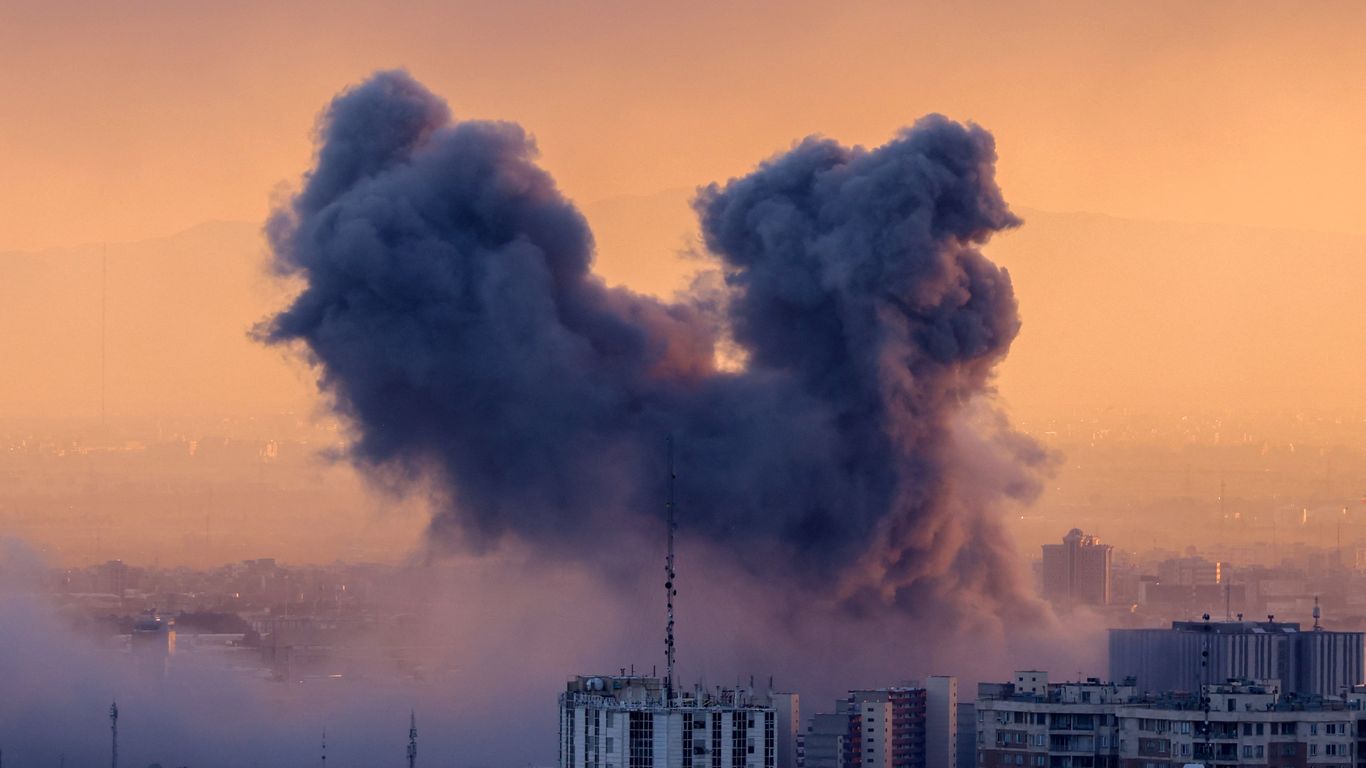
London, United Kingdom – Oil prices surged past the $100 a barrel mark on Monday, reaching levels not seen since 2022, as escalating tensions in the Middle East continue to disrupt global supply chains. The benchmark Brent crude oil traded at over $108 a barrel, fueled by concerns over potential disruptions to oil flows through the strategically vital Strait of Hormuz. This price spike is already impacting consumers, with gasoline prices rising across the United States and anxieties mounting over the potential for further economic fallout. The situation is further complicated by political pressures on the Trump administration to address rising energy costs and formulate a clear strategy in response to the evolving geopolitical landscape.
The current crisis stems from increased military activity in the region, which has disrupted approximately 20% of global oil supply, according to Rapidan Energy Group. This disruption is more than double the impact of the Suez Crisis in 1956-57, highlighting the severity of the current situation. The Strait of Hormuz, a narrow waterway between Iran and Oman, is a critical chokepoint for global oil shipments, and heightened risks are keeping tankers away from the area, exacerbating supply concerns.
Rising Oil Prices and Global Economic Impact
The surge in oil prices is not merely a financial issue; it has tangible consequences for consumers worldwide. In the United States, the average price of regular gasoline has jumped from roughly $3 per gallon to $3.45, with further increases anticipated. The Guardian reports this represents a more than 30% increase since the start of military strikes in the region. This increase places a strain on household budgets and could contribute to broader inflationary pressures. Beyond gasoline, higher oil prices impact the cost of transportation, manufacturing, and a wide range of goods and services, potentially slowing economic growth.
The situation is particularly sensitive given the current geopolitical climate. The conflict is raising fears of a wider regional war, which could further disrupt oil supplies and send prices soaring. Analysts at Eurasia Group warn that oil and LNG prices will continue to climb until credible measures are taken to ensure the safe passage of shipments through the Strait of Hormuz. The Wall Street Journal reports that the Trump administration is facing increasing pressure to address both the rising gas prices and the broader strategic implications of the conflict.
Political Responses and Potential Solutions
The Trump administration is exploring various options to mitigate the impact of the crisis. The U.S. International Development Finance Corp. Is offering political risk insurance and guarantees to encourage shipping companies to continue operating in the region, whereas the effectiveness of this measure remains uncertain. The administration has floated the possibility of providing naval escorts for tankers transiting the Strait of Hormuz. On Thursday, the Treasury Department issued a 30-day sanctions waiver to allow Indian refiners to purchase more Russian oil, a move aimed at increasing global supply. Energy Secretary Chris Wright stated on Fox News Sunday that higher prices are a “small price to pay” to restore stability to the energy market, suggesting a timeframe of “weeks, certainly not months.”
However, options are limited. Senate Minority Leader Chuck Schumer has called on the Trump administration to release oil from the Strategic Petroleum Reserve, a move that could provide temporary relief but has drawn criticism from Republicans who argue it would undermine their political messaging. Republicans fear that tapping the reserve would deprive them of a talking point used against the Biden administration in 2022, when a similar release was criticized as politically motivated.
Historical Context and Future Outlook
The current surge in oil prices marks the first time the $100 threshold has been breached since 2022, when Russia’s invasion of Ukraine and the subsequent disruption to global energy markets drove prices higher. While prices in mid-2022 briefly exceeded $5 per gallon in the United States, the current situation presents a new set of challenges. Analysts warn that if the conflict persists for several weeks, Brent crude could test $120 a barrel, a significant increase from current levels. This would represent a dramatic shift from the relatively stable oil market conditions seen earlier in the year.
The ongoing instability underscores the vulnerability of global energy markets to geopolitical events. The disruption to oil supply, coupled with concerns about regional escalation, is creating a volatile environment for both producers and consumers. The coming days and weeks will be critical in determining whether diplomatic efforts can de-escalate the conflict and restore stability to the oil market. The next key development to watch will be the outcome of ongoing diplomatic negotiations and any potential announcements regarding increased oil production or supply chain adjustments.
Key Takeaways:
- Oil prices have surged above $100 a barrel due to escalating tensions in the Middle East.
- The conflict has disrupted approximately 20% of global oil supply.
- The Trump administration is exploring various options to mitigate the impact of rising prices.
- Further escalation could push prices even higher, potentially reaching $120 a barrel.
We encourage readers to share their thoughts and perspectives on this developing situation in the comments below. Stay tuned to World Today Journal for continued coverage of this critical issue.