
Global oil markets experienced a sharp correction on Tuesday, with Brent crude and West Texas Intermediate (WTI) futures declining by over 2% following reports that former U.S. President Donald Trump has delayed plans for a potential military strike against Iran. The move comes amid escalating tensions in the Middle East and raises questions about the stability of oil supplies from one of the world’s most critical energy producers.
Traders and analysts had braced for potential supply disruptions in the Gulf region, which accounts for roughly 40% of global oil exports. The delayed strike announcement triggered a rapid revaluation of risk premiums built into oil prices, with futures markets showing significant volatility. While the exact timing and nature of any potential military action remain unclear, the market reaction underscores the delicate balance between geopolitical tensions and global energy security.
The uncertainty comes at a critical juncture for oil markets, which have been under pressure from both supply concerns and shifting demand dynamics. Recent data from the International Energy Agency (IEA) indicates that global oil demand is expected to grow by 1.2 million barrels per day in 2026, while OPEC+ production cuts have tightened supplies. The delayed strike announcement may provide temporary relief, but analysts warn that the underlying tensions could resurface with renewed intensity.
Market Reaction: Oil Futures Show Sharp Volatility
Brent crude futures, the global benchmark, retreated by approximately 2.3% to settle around $109.80 per barrel, according to data from S&P Global Platts. Meanwhile, WTI futures in the U.S. Declined by about 2.1% to $106.50 per barrel. The declines followed a period of elevated prices driven by concerns over potential disruptions in Iranian oil exports and attacks on commercial shipping in the Strait of Hormuz.
Key price movements:
- Brent crude: -2.3% to $109.80/barrel
- WTI futures: -2.1% to $106.50/barrel
- UAE benchmark Dubai crude: -2.5% to $108.30/barrel
The market reaction reflects a temporary easing of tensions, but traders remain cautious. “The delay in military action has removed some of the immediate supply risk, but the underlying geopolitical situation hasn’t changed,” said Amy Myers Jaffe, director of the Energy and Environment Program at the University of California, Davis. “Markets are now pricing in the possibility of a prolonged standoff rather than an immediate crisis.”
Geopolitical Context: What Led to the Delay?
The potential military strike against Iran had been a subject of intense speculation following a series of escalating events, including:

- Attacks on commercial shipping in the Strait of Hormuz, a critical chokepoint for global oil supplies, which have disrupted trade flows and raised insurance costs for tankers.
- Iran’s retaliatory threats against U.S. Military bases in the region, including statements from Iranian officials warning of “proportional responses” to any aggressive action.
- Diplomatic efforts by regional allies, including Saudi Arabia and the UAE, to de-escalate tensions and avoid broader conflict in the Gulf.
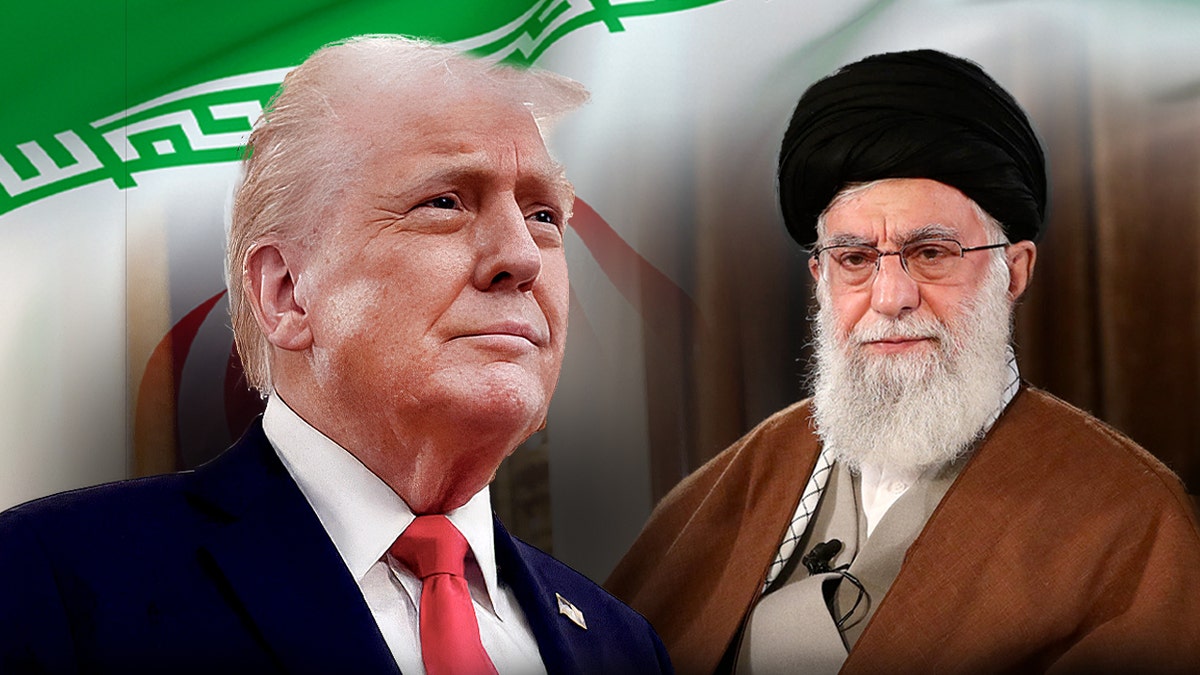
While the exact reasons behind Trump’s decision to delay the strike remain unclear, sources close to the administration suggest that intelligence assessments indicated a higher risk of unintended escalation than previously anticipated. The delay does not signal an abandonment of military options, but rather a reassessment of timing and strategy.
Embedded Tweet:
Breaking: Sources say Trump administration has delayed potential military strike on Iran following intelligence reviews. Oil markets react sharply as traders reassess supply risks. #WTI #BrentCrude #OilMarkets
Impact on Global Oil Supplies and Markets
Iran is the fourth-largest oil exporter in OPEC, with daily exports averaging around 2.5 million barrels per day before recent sanctions and disruptions. While the country’s oil production has been constrained by U.S. Sanctions and internal economic challenges, any further instability could exacerbate supply tightness in a market already experiencing historically low inventories.
The delayed strike announcement has led to a temporary reprieve for oil prices, but several factors could keep upward pressure on markets:
- OPEC+ production cuts: The cartel and its allies have maintained strict output limits, with Saudi Arabia and Russia leading efforts to support prices.
- Slowing growth in U.S. Shale production: Despite record-high drilling activity, U.S. Oil output has failed to meet expectations due to labor shortages and permitting delays.
- Geopolitical risks in other regions: Conflicts in Sudan and Libya continue to disrupt African oil supplies, while tensions in the South China Sea could impact shipping routes.
Analysts at BloombergNEF warn that the market remains vulnerable to sudden shocks. “The delay is a positive signal, but the underlying risks haven’t disappeared,” said Michael Liebreich, founder of BloombergNEF. “Investors should prepare for further volatility as the situation evolves.”
What Comes Next? Key Developments to Watch
The coming weeks will be critical in determining the trajectory of oil markets and geopolitical tensions. Key developments to monitor include:
- Official confirmation of the delay: The White House and Pentagon are expected to provide further details on the decision, including any conditions that might trigger a resumption of military planning.
- Iran’s response: Iranian officials have yet to comment on the delayed strike reports, but any statement could influence market sentiment. The country’s Supreme Leader, Ayatollah Ali Khamenei, has previously warned of “severe retaliation” against any foreign aggression.
- OPEC+ meeting (June 2, 2026): The next scheduled meeting of the Organization of the Petroleum Exporting Countries and its allies will be closely watched for any adjustments to production quotas.
- U.S. Inflation data (May 29, 2026): Rising oil prices could put pressure on consumer prices, influencing Federal Reserve policy decisions.
- Shipping insurance markets: The cost of insurance for tankers transiting the Strait of Hormuz remains a key indicator of perceived risk in the region.
For traders and investors, the delay provides a brief window of stability, but the long-term outlook remains uncertain. “This is not a resolution—it’s a pause,” said John Kemp, a Reuters market analyst. “The market will continue to price in the possibility of further escalation, especially if diplomatic efforts fail.”
Broader Implications for Energy Markets
The situation in Iran highlights the growing interdependence of geopolitics and energy markets. Several trends are shaping the landscape:
- Decarbonization pressures: While oil remains essential, governments and corporations are accelerating investments in renewable energy and alternative fuels, which could reshape long-term demand dynamics.
- Supply chain resilience: The disruptions in the Strait of Hormuz have accelerated discussions about diversifying energy trade routes, including potential increases in Arctic shipping.
- Sanctions and secondary compliance: The U.S. And EU have tightened enforcement of sanctions on Iranian oil, but loopholes and gray-market trading continue to complicate the picture.
For consumers, the volatility in oil prices serves as a reminder of the fragility of global energy markets. In the U.S., gasoline prices have already risen by over 15% year-over-year, putting pressure on household budgets. Meanwhile, developing economies—particularly in Asia—face higher import costs that could strain fiscal balances.
Expert Perspectives: What the Delay Means
Industry experts offer varied assessments of the delayed strike announcement and its implications:
Dr. Amy Myers Jaffe, University of California, Davis: “The delay is a positive development, but it doesn’t address the root causes of the tension. The market is now in a holding pattern, waiting to see if diplomacy can take hold or if the situation deteriorates further.”
Michael Liebreich, BloombergNEF: “This is a classic example of how geopolitical risks can dominate market sentiment. Even without a strike, the threat of instability keeps prices elevated. Investors should focus on hedging strategies rather than betting on a single outcome.”
John Kemp, Reuters: “The delay suggests that the U.S. Is recalibrating its approach, but the underlying objectives—deterring Iranian aggression and protecting shipping lanes—remain unchanged. Markets should expect continued volatility until there’s clarity on the path forward.”
Where to Find Official Updates
For readers seeking authoritative information on the evolving situation, the following sources provide reliable updates:
- The White House – Official statements on U.S. Policy and military actions.
- U.S. Department of State – Diplomatic communications and sanctions updates.
- International Energy Agency (IEA) – Global oil market reports and supply analyses.
- U.S. Energy Information Administration (EIA) – Daily oil price and inventory data.
- OPEC – Production updates and market commentary.
Key Takeaways
- Market Reaction: Oil prices retreated over 2% following reports of a delayed U.S. Military strike on Iran, reflecting reduced immediate supply risks.
- Geopolitical Context: The delay does not resolve underlying tensions, with risks of further escalation remaining high.
- Supply Implications: Iran’s oil exports remain critical to global markets, and any instability could disrupt supplies.
- Economic Impact: Rising oil prices contribute to inflationary pressures, particularly in energy-importing economies.
- Next Steps: Watch for official statements from the U.S. And Iran, OPEC+ meetings, and developments in the Strait of Hormuz.
The situation underscores the delicate balance between energy security and geopolitical stability. As markets digest the delayed strike announcement, all eyes remain on the Middle East, where the potential for further conflict—or de-escalation—could have profound consequences for global oil supplies and prices.
What’s Next? The next critical checkpoint will be the OPEC+ meeting on June 2, 2026, where production policies will be discussed. Traders will closely monitor:
- Any official confirmation or denial of the delayed strike from U.S. Or Iranian sources.
- Developments in the Strait of Hormuz, including shipping insurance costs.
- Statements from regional allies, particularly Saudi Arabia and the UAE.
For further analysis and updates, subscribe to World Today Journal’s energy markets newsletter or follow our Twitter account for real-time coverage.
Share this article:


- South Korea Implements ‘8-Week Rule’ for Minor Car Insurance Injuries
- OpenAI Agrees to $3.2 Million Settlement With DOJ Over Allegations of Discriminating Against US Workers for Visa Holders
- Moonshot AI Kimi K3 Disrupts US Markets as Tech Firms Adopt Chinese AI Models (archyworldys.com)
- Crude Oil Prices Plunge Over 5 Percent Amid US-Iran Diplomacy and Middle East Tensions (world-today-news.com)