Global energy markets are experiencing renewed volatility as geopolitical tensions in the Middle East once again push crude oil prices toward their highest levels in a month. For consumers and businesses alike, the immediate impact is manifesting at the petrol pump, where fluctuating wholesale costs are straining household budgets and complicating inflation forecasts for central banks worldwide.
As the primary driver of global energy costs, crude oil serves as a bellwether for broader economic stability. When regional instability threatens the supply chain—particularly within critical transit corridors—the ripple effects are felt almost instantly in the price of refined fuels like gasoline and diesel. Understanding these market movements requires a close look at how geopolitical risk premiums are calculated by traders and how these costs are eventually passed down to the end user.
Geopolitical Risk and Market Sentiment
The current upward pressure on oil prices is largely attributed to heightened tensions between the United States and Iran. Market analysts frequently cite the potential for supply disruption in the Strait of Hormuz, a critical maritime chokepoint, as a primary concern for investors. According to the U.S. Energy Information Administration, the Strait of Hormuz is the world’s most important oil transit chokepoint, with significant volumes of global petroleum consumption passing through its waters daily. Any escalation in the region historically leads to an immediate “risk premium” being added to the price per barrel.
Energy markets are notoriously sensitive to news flow regarding potential diplomatic breakthroughs or military posturing. When reports circulate regarding the possibility of new international agreements or, conversely, the breakdown of existing ones, traders recalibrate their positions. This high-frequency trading behavior often exacerbates price swings, leading to the rapid, month-high spikes observed in recent sessions.
The Impact on Gasoline and Consumer Costs
While crude oil is traded on international commodity exchanges, the price of a liter of gasoline is influenced by a complex array of factors, including regional taxes, refining capacity and local distribution costs. When wholesale oil prices rise, retail fuel stations typically pass these costs on to consumers to maintain their margins. For households, this translates into immediate pressure on disposable income, particularly for those in regions where fuel taxes remain high.
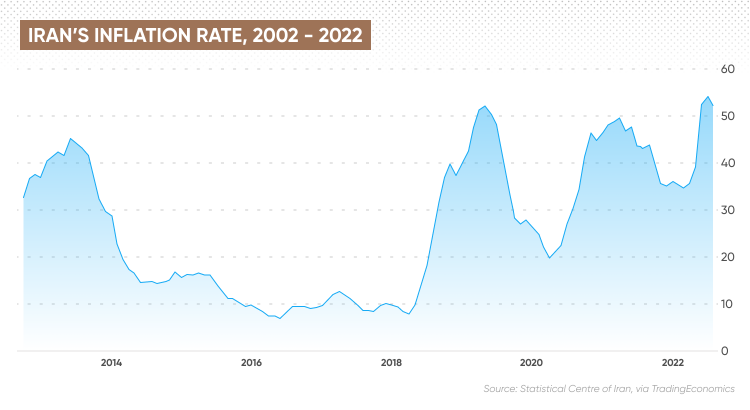
Economic indicators suggest that energy prices remain a significant component of the broader Consumer Price Index (CPI). Central banks, such as the Federal Reserve, monitor these fluctuations closely, as sustained increases in energy costs can influence core inflation, potentially altering the trajectory of interest rate decisions. When oil prices remain elevated, the cost of transporting goods increases, which can eventually lead to higher prices for consumer staples.
Factors Influencing Retail Fuel Prices
- Geopolitical Risk Premiums: The market’s anticipation of potential supply disruptions in oil-producing regions.
- Refining Margins: The difference between the cost of crude oil and the price of finished petroleum products like gasoline.
- Global Supply and Demand: The balance between production output from OPEC+ nations and total global consumption.
- Inventory Levels: Reports on national petroleum reserves, which can signal supply tightness or abundance.
Navigating Market Uncertainty
For investors and business owners, the current environment underscores the importance of hedging against energy price volatility. Many firms utilize futures contracts to lock in fuel costs, providing a buffer against the types of sharp, news-driven spikes seen this month. However, for the average consumer, the options are more limited, often restricted to modifying driving habits or seeking out fuel-efficient alternatives.

The International Energy Agency (IEA) continues to provide regular updates on global market balances, serving as a critical resource for those looking to understand the long-term trends underlying these daily fluctuations. While short-term spikes driven by geopolitical headlines often capture the most attention, the underlying fundamentals of global production and demand remain the most accurate predictors of long-term energy prices.
Looking Ahead
The market remains in a state of high alert as stakeholders await further developments regarding regional diplomatic relations. Investors are advised to monitor official statements from international energy regulatory bodies and government agencies for verified data on supply levels and production quotas. As we look toward the next scheduled meetings of major oil-producing nations, market participants should expect continued price sensitivity to any shifts in the Middle Eastern security landscape.
We invite our readers to share their perspectives on how these energy price shifts are affecting their local economies. Please leave a comment below or join the discussion on our digital platforms to share your experiences and insights.
Keep reading
- S&P 500 Hits Record as Scott Bessent Says Hormuz Deal Could Arrive Soon
- Jelly Roll Announces Indefinite Touring Hiatus Following Divorce from Bunnie Xo
- China’s AI Surge: Alibaba Qwen3.8-Max and DeepSeek’s Low-Cost Models Shake the Market (newsdirectory3.com)
- Dow Hits Record High as US-Iran Tensions Ease and Amazon Tops $3 Trillion (time.news)