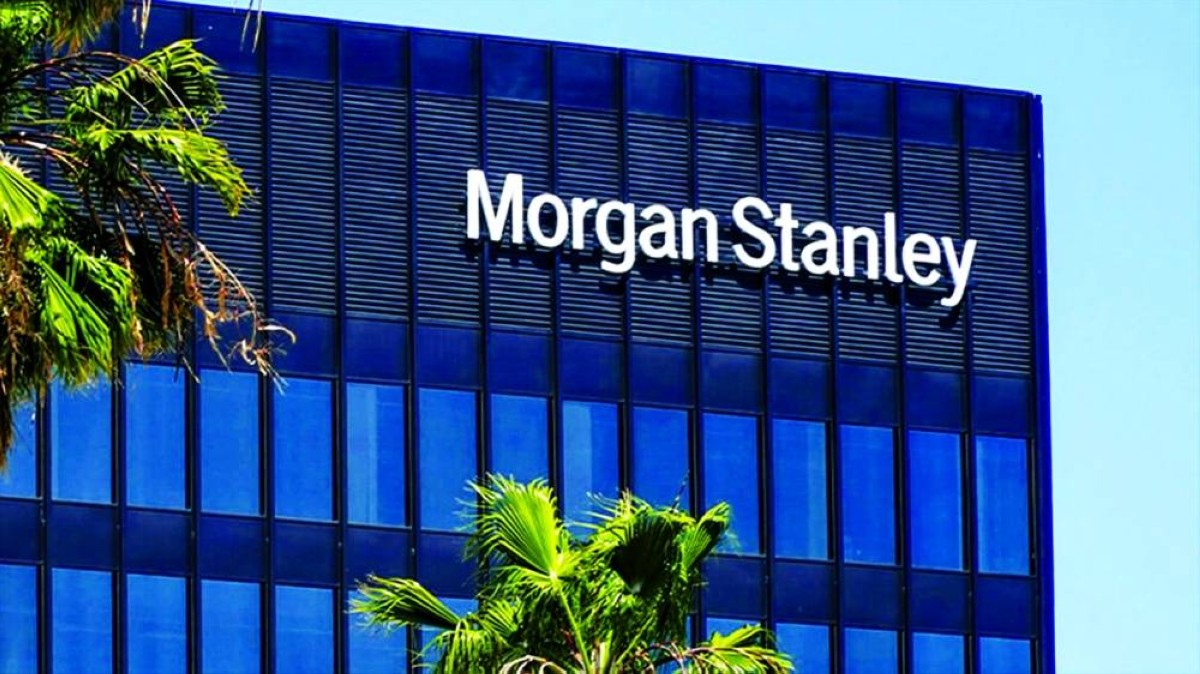
Morgan Stanley has revised its global oil price forecasts downward, citing potential shifts in supply dynamics following reports of diplomatic engagements between the United States and Iran. Market analysts have observed increased volatility in crude prices as traders weigh the possibility of additional Iranian oil barrels returning to the global market, a move that would fundamentally alter the current supply-demand balance maintained by OPEC+ production cuts.
The adjustment in projections from the investment bank arrives as benchmark prices for Brent crude experienced significant downward pressure, falling below the $80-per-barrel threshold—a level not sustained since March. This decline reflects broader investor sentiment regarding the geopolitical landscape and the efficacy of current production quotas in supporting price floors amidst softening demand signals from major economies.
Geopolitical Drivers of Market Volatility
The primary catalyst for the recent price correction is the market’s reaction to reports of renewed diplomatic discussions between Washington and Tehran. According to data tracked by Reuters, the potential for an easing of sanctions on Iranian energy exports has historically acted as a bearish signal for crude oil futures. When speculation regarding increased supply enters the market, it often offsets the impact of voluntary production reductions implemented by members of the Organization of the Petroleum Exporting Countries and their allies (OPEC+).

For global investors, the risk premium associated with Middle Eastern oil supply is a critical component of pricing. When diplomatic channels open, the perceived risk of supply disruption decreases, often leading to a rapid unwinding of long positions. This sentiment is compounded by concerns over the global economic outlook, particularly as central banks in the United States and Europe continue to monitor inflation data that influences interest rate trajectories and, by extension, industrial energy consumption.
Impact of Supply Shifts on Brent Crude
Brent crude, the international benchmark, has faced sustained pressure throughout recent trading sessions. Market observers note that the dip below $80 represents a technical and psychological barrier for traders, as confirmed by reports from Bloomberg. The correlation between diplomatic news cycles and price fluctuations underscores the sensitivity of the energy sector to changes in international trade policy.

While the prospect of additional Iranian supply is a primary focus, it exists within a larger framework of global inventory levels and refinery output. The market is currently balancing two competing narratives: the potential for a supply glut should sanctions be lifted, and the ongoing commitment of major producers to keep output restricted to prevent a deeper price collapse. This tug-of-war is expected to dictate price action throughout the remainder of the quarter.
Analyzing the Forecast Revisions
Financial institutions like Morgan Stanley utilize complex modeling to adjust price targets, incorporating variables such as geopolitical risk, non-OPEC supply growth, and shifts in demand from emerging markets. A reduction in price forecasts generally reflects a consensus that the supply-side risks—specifically those related to Iran—have shifted the probability curve toward lower price outcomes.
According to the International Energy Agency (IEA), global oil demand is expected to face headwinds as the global economy navigates a period of restrictive monetary policy. When these demand-side concerns are coupled with the potential for sudden supply increases, the downward revision of price forecasts becomes a standard response for analysts managing risk-adjusted portfolios.
Market Outlook and Future Checkpoints
Investors are now looking toward the next meeting of the OPEC+ Joint Ministerial Monitoring Committee for official guidance on production adjustments. These meetings serve as the primary indicator for whether the group intends to deepen cuts or maintain current levels in response to the price fluctuations observed in June. The organization’s ability to maintain unity among member states remains a key variable in determining whether the $80-per-barrel floor can be reclaimed.

Market participants should continue to monitor official statements from the U.S. State Department regarding the status of nuclear non-proliferation talks and any subsequent impact on energy sanctions. Further updates on oil production figures are expected in the upcoming monthly reports from the IEA and the U.S. Energy Information Administration (EIA). Readers are encouraged to follow official regulatory filings and market releases for real-time adjustments to global commodity pricing strategies.