
LONDON — Global energy markets responded with renewed optimism on Wednesday as President Donald Trump signaled a potential shift in U.S.-China trade relations, suggesting that Beijing may increase its procurement of American crude oil following high-level discussions with President Xi Jinping.
The prospect of expanded energy exports to China has provided a significant boost to oil benchmarks, which have been navigating a period of intense volatility. West Texas Intermediate (WTI) crude was trading at approximately $102.45 per barrel as market participants weighed the implications of a potential surge in demand from the world’s largest energy importer.
The developments follow President Trump’s recent arrival in China, a diplomatic mission aimed at addressing a range of bilateral issues, including trade balances and energy security. The suggestion that Chinese leadership is receptive to increasing oil imports from the United States marks a notable potential pivot in the energy landscape between the two economic superpowers.
Diplomatic Engagements and Energy Trade
The potential for increased oil flows arrives amidst a high-stakes diplomatic visit. President Trump, who departed from Joint Base Andrews on May 12, 2026, for his mission to China, has indicated that President Xi Jinping has expressed interest in bolstering oil purchases from the U.S. To meet domestic requirements.
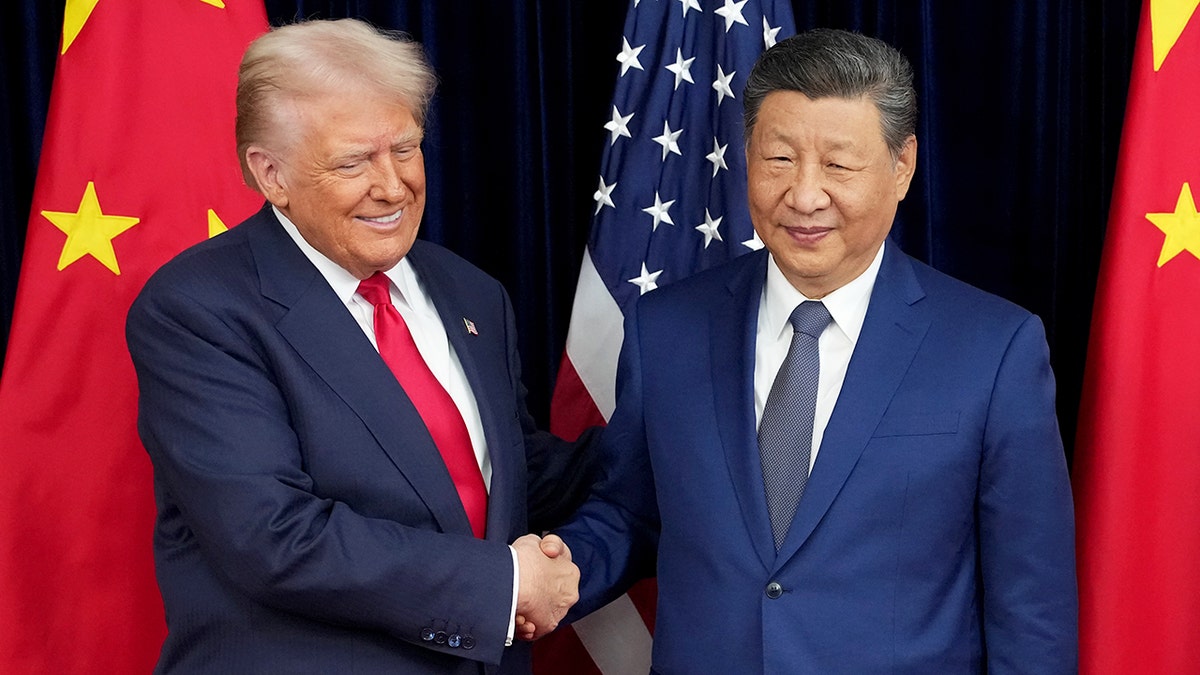
For U.S. Energy producers, an agreement of this magnitude could represent a transformative shift in export volumes. While China has historically sourced much of its crude from the Middle East and Russia, the prospect of a formalized increase in U.S. Crude imports could provide a stable, long-term outlet for American shale and conventional oil production.
Industry analysts suggest that such a move could serve dual purposes: satisfying China’s significant energy requirements while simultaneously helping to narrow the trade deficit between the two nations. However, the exact scale and duration of any such agreement remain unconfirmed, as official details from the bilateral talks continue to emerge.
A Landscape of Heightened Volatility
The market’s positive reaction to the news in Beijing must be viewed against a backdrop of significant geopolitical instability. Energy prices have remained highly sensitive to conflicts in the Middle East, following a period of intense volatility that began in March, when military actions involving the United States, Israel, and Iran sent shockwaves through the global supply chain.
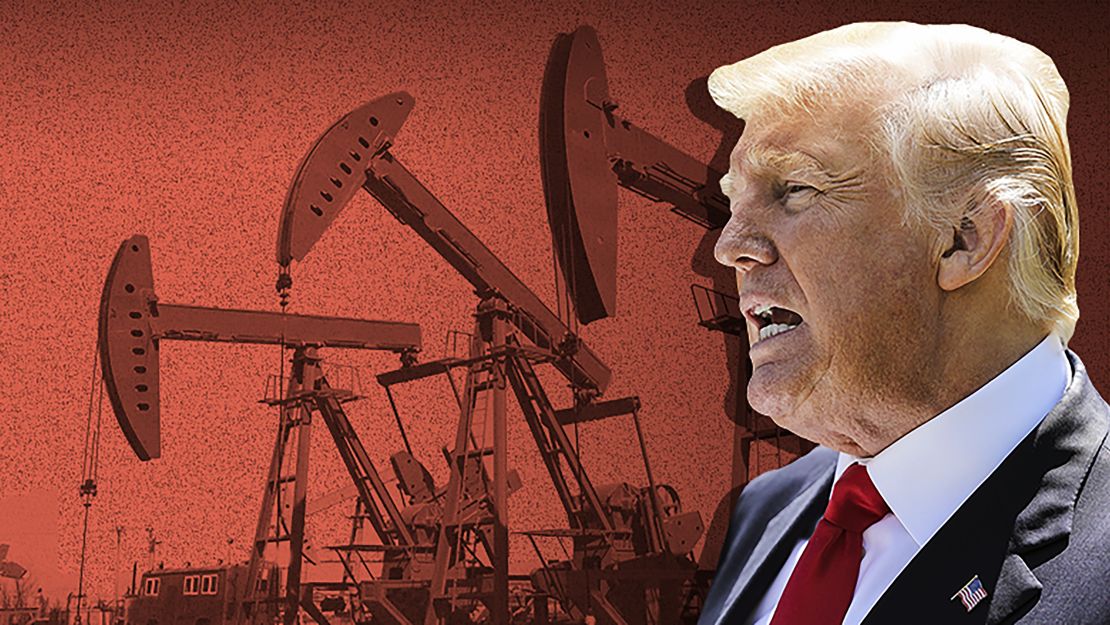
existing disruptions in critical maritime corridors continue to exert upward pressure on prices. Reports indicate that the closure of the Strait of Hormuz has contributed to an deepening energy crisis in several regions, including India, as the global community grapples with the logistical challenges of rerouting essential supplies.
This combination of supply-side constraints and geopolitical tension has kept the market on edge. While the potential for increased U.S. Exports to China offers a potential supply alternative, the overarching fragility of global energy routes ensures that volatility is likely to persist in the near term.
Economic Implications for Global Markets
The potential pivot toward U.S. Oil imports carries profound implications for both domestic and international stakeholders. For the United States, increased exports to China could bolster the energy sector’s contribution to the national economy and provide a strategic lever in trade negotiations.
For China, diversifying its energy sources toward the United States could offer a degree of insulation from the volatility currently affecting Middle Eastern supply routes. By tapping into the American energy market, Beijing may be seeking to enhance its own energy security in an increasingly unpredictable global environment.
However, the broader impact on global oil pricing remains complex. While increased demand from China typically exerts upward pressure on prices, the expansion of U.S. Exports could also alter the traditional flow of crude, potentially impacting the price premiums currently seen in different regional markets.
Key Takeaways: The U.S.-China Energy Outlook
- Market Reaction: WTI crude prices rose toward the $102.45 mark following signals of increased Chinese interest in U.S. Oil.
- Diplomatic Context: The potential deal follows President Trump’s May 2026 diplomatic mission to China to meet with President Xi Jinping.
- Supply Constraints: Ongoing volatility is being driven by previous conflicts in March and continued disruptions in the Strait of Hormuz.
- Strategic Shift: An agreement would represent a significant move toward diversifying China’s energy imports and increasing U.S. Energy export revenues.
As the diplomatic mission in China continues, markets will be closely monitoring for any official statements or formal memorandums of understanding that might codify these discussions into actionable trade policy.
The next major checkpoint for energy traders will be the release of upcoming monthly inventory data and any further official updates regarding the progress of the U.S.-China bilateral talks.
What are your thoughts on the potential impact of this energy deal on global stability? Let us know in the comments below and share this story with your network.
Worth a look
- Spokane Wildfires Prompt Level 3 Evacuation Orders and State Emergency
- My Mom Has Alzheimer’s. Even With Full-Time Care, Caregiving Never Stops.
- India and China Resume Cross-Border Trade After COVID-19 Disruption (archyde.com)
- Roberville-les-Bains Sees Record Tourism Surge Due to Extreme Heatwaves (world-today-news.com)