Brent crude oil prices hit a four-week high on Tuesday as escalating military tensions between the United States and Iran rendered the Strait of Hormuz unsafe for commercial shipping. According to reports from City AM, the international benchmark tipped over $87 per barrel, marking its highest level since June 12.
The market volatility follows a “seven-hour wave” of strikes conducted by the US Central Command, which stated the operations were designed to degrade Iran’s ability to threaten civilian crews and commercial shipping. The geopolitical instability has also impacted UK government borrowing costs, with the yield on 10-year gilts surpassing 5 per cent on Tuesday before retreating.
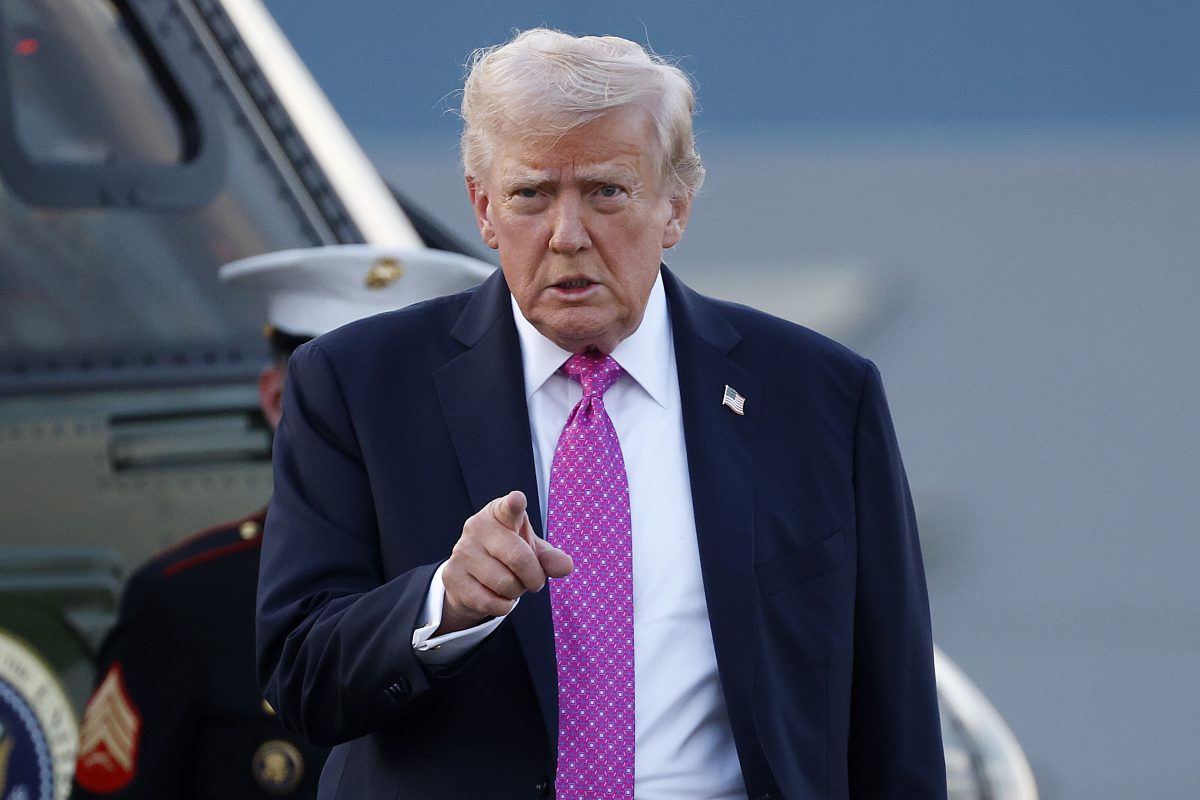
Investors are currently weighing the impact of these strikes against further threats from Donald Trump, who warned that Iran would be hit “very hard” in the coming days.
Trump Threatens Infrastructure Strikes on Iran
Donald Trump has signaled a significant escalation in military action if Iran does not agree to negotiate. In an interview with Fox News, Trump stated, “Next week comes the bridges. We’re going to knock out all their power plants. We’ll knock out all their bridges unless they get to the table and negotiate.”

Beyond aerial and missile strikes, Trump did not rule out the possibility of a ground campaign. He told Fox News, “Sometimes you need a ground campaign, but we have other people that will do the ground campaign for us.” These statements have intensified concerns over a broader regional conflict that could further disrupt global energy supplies.
Oil Market Volatility and the Strait of Hormuz
The Strait of Hormuz is one of the world’s most critical oil transit chokepoints. The recent exchange of strikes has led to a perception that the waterway is too unsafe for standard ship travel, which directly contributed to the price spike in Brent crude. Crossing the $87 per barrel threshold represents a breach of the price ceiling seen prior to the previous ceasefire on June 12.

While military threats remain high, Trump has walked back one specific economic lever. He previously floated a 20 per cent toll on ships utilizing the Strait of Hormuz area. However, via a post on Truth Social, Trump announced he would replace this “20 per cent United States Reimbursement Fee” with trade and investment deals involving Gulf states in the region.
Impact on UK Gilts and FTSE 100
The instability has leaked into the UK sovereign debt market. The yield on 10-year gilts—a key indicator of the cost for the UK government to borrow money—blew past 5 per cent on Tuesday. Although the yield gave up some of those gains later in the session, the spike reflects investor nervousness regarding global inflation and the cost of borrowing during periods of geopolitical strife.
For the FTSE 100, the outlook is complicated.
Market participants are now monitoring for official responses from Tehran and further directives from the US Central Command to determine if the current price surge in crude is a short-term spike or the beginning of a longer trend.
Updates on the situation in the Strait of Hormuz and subsequent market reactions will be provided as official statements are released. Readers are encouraged to share this report and leave comments on the evolving impact of these tensions on global markets.
Related reading
- Ofwat Fines South East Water £30.5 Million for Service Failures
- Oxylabs Secures $130M Investment from Warburg Pincus at $3.6B Valuation
- Soyuz MS-29 Launch to ISS and Russian Strikes on Ukrainian Port (archynewsy.com)
- Why Is Iran Tensions Worsening With The US Over The Hormuz Strait (world-today-news.com)