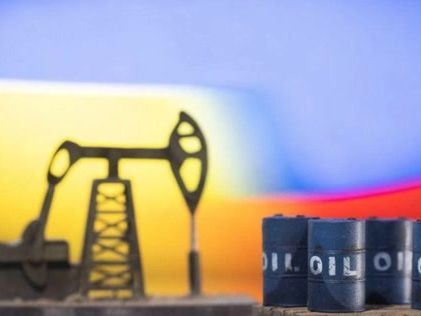
Global oil markets are experiencing heightened volatility as a complex interplay of geopolitical tensions and shifting supply-demand dynamics drives price fluctuations. Recent market movements reflect investor anxiety over potential supply disruptions in the Middle East, even as global inventories and production levels continue to influence the broader economic outlook, according to data from the International Energy Agency (IEA).
The current instability is underscored by diverging market signals. While some regional benchmarks have seen temporary spikes tied to news of potential military escalations, broader macroeconomic indicators—including persistent inflation and interest rate policies from the U.S. Federal Reserve—continue to weigh on long-term demand forecasts. Traders are balancing these immediate security threats against the reality of surplus capacity among major producers.
Geopolitical Risk and the Middle East Supply Chain
Geopolitical risk remains the primary catalyst for short-term price swings. Markets reacted sharply to recent reports of potential military actions in the Middle East, which frequently serve as a flashpoint for supply concerns due to the region’s concentration of oil production and critical transit chokepoints like the Strait of Hormuz. According to the U.S. Energy Information Administration (EIA), any disruption to these routes could significantly tighten global supply, leading to rapid price appreciation.

However, analysts note that the impact of these threats is often tempered by the presence of strategic petroleum reserves held by major consuming nations. The U.S. Strategic Petroleum Reserve, for instance, functions as a buffer against sudden supply shocks. Market participants are now closely monitoring whether these geopolitical tensions will translate into physical supply shortages or remain confined to speculative price movements in the futures market.
Supply-Demand Equilibrium and Global Inventories
Beyond regional conflicts, the fundamental balance of supply and demand dictates the long-term trajectory of oil prices. Recent reports suggest that global oil inventories have shown signs of tightening in certain regions, which typically exerts upward pressure on prices. This trend is often contrasted with the production strategies of OPEC+ nations, which have historically adjusted output quotas to maintain price floors, as detailed in recent OPEC press releases.

The demand side remains equally critical. Economic growth projections from the International Monetary Fund (IMF) suggest that while demand remains resilient, it is vulnerable to the cooling effects of restrictive monetary policies. High interest rates increase the cost of capital, potentially slowing industrial output and transportation demand—two pillars of global oil consumption. Investors are currently parsing these conflicting data points to determine whether the market is oversupplied or entering a period of structural scarcity.
The Impact of Monetary Policy on Energy Markets
Oil prices do not move in a vacuum; they are intrinsically linked to the value of the U.S. dollar and the prevailing interest rate environment. Because oil is globally priced in dollars, a stronger greenback—often a result of higher federal funds rates—makes energy imports more expensive for emerging market economies. This dynamic can dampen global demand, effectively acting as a price ceiling even when supply-side risks remain elevated.
The Bank for International Settlements (BIS) has highlighted that energy price volatility is a significant component of broader financial stability. As central banks navigate the transition toward lower inflation, the energy sector remains a key variable in their policy calculations. Market participants are awaiting the next meeting of the Federal Open Market Committee (FOMC) for clues on the future of interest rates, which will likely dictate the next major move in energy futures.
Market Outlook and Future Checkpoints
Looking ahead, the market is focused on the next round of production data and diplomatic developments in the Middle East. The IEA’s monthly Oil Market Report remains the authoritative source for tracking these developments, providing the most accurate assessments of supply-demand balances. Traders and policymakers are specifically watching for updates on potential sanctions or changes in export quotas that could alter the current landscape.
Investors should monitor upcoming official announcements from major oil-producing nations regarding production levels, as well as any statements from the Federal Reserve’s scheduled policy meetings to gauge the macroeconomic climate. As these factors continue to evolve, the consensus among analysts is that volatility will persist in the near term. We invite readers to share their analysis of these market trends in the comments section below.