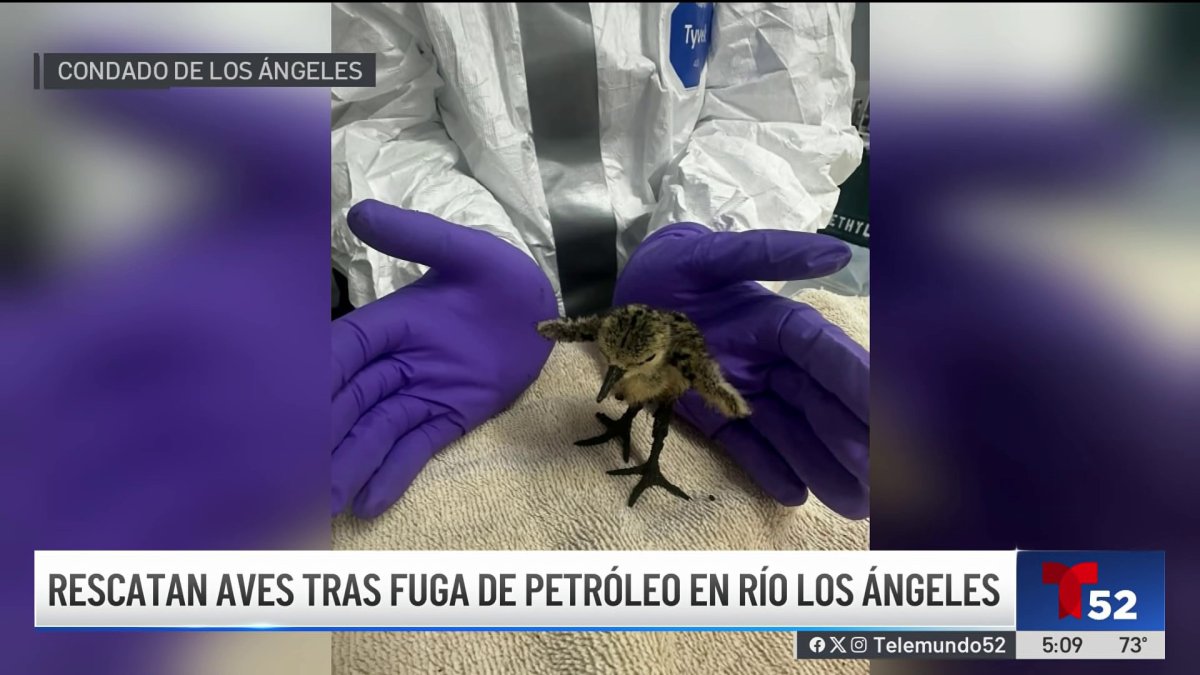
Environmental response teams are currently engaged in a coordinated effort to address a petroleum release that has impacted the Los Angeles River. The spill, which reached local waterways via municipal storm drains, has triggered an emergency mobilization of specialized wildlife rescue organizations tasked with protecting the river’s vulnerable ecosystem.
The Oiled Wildlife Care Network (OWCN), based at the University of California, Davis School of Veterinary Medicine, confirmed that they have been activated by the California Department of Fish and Wildlife’s Office of Spill Prevention and Response (CDFW-OSPR). This activation allows for the deployment of expert personnel and resources necessary to recover and treat animals affected by the hazardous material.
Understanding the Environmental Impact
Petroleum spills in urban river systems pose complex challenges for wildlife, particularly for waterfowl and other aquatic species that rely on the river for habitat, and foraging. When oil enters the water, it can compromise the thermal insulation of bird feathers and the skin integrity of local fauna, necessitating immediate professional intervention to minimize mortality rates.
The Oiled Wildlife Care Network operates as a premier authority in this field, maintaining a collaborative system of professional organizations, universities, and wildlife centers. By integrating scientific research with field response capabilities, the network provides a standardized approach to the capture, stabilization, and rehabilitation of wildlife impacted by environmental disasters. For those interested in the protocols followed during these events, the California Department of Fish and Wildlife provides comprehensive documentation on spill response strategies and habitat protection measures.
Coordinated Response and Public Safety
The response to the Los Angeles River incident involves multiple layers of governmental and scientific oversight. Beyond the immediate wildlife rescue efforts, authorities are working to identify the source of the petroleum that entered the storm drain system. Such incidents are strictly regulated under state and federal environmental statutes, which mandate rapid containment to prevent further degradation of public waterways.

Residents and members of the public are encouraged to avoid contact with the affected areas of the riverbank. Officials typically advise that the public should not attempt to handle or rescue distressed wildlife independently, as specialized training and protective equipment are required to ensure both human safety and the welfare of the animal. If you encounter wildlife that appears to be impacted by oil, the standard procedure is to contact local animal control or designated environmental response hotlines rather than approaching the animal directly.
Key Takeaways for Monitoring the Situation
- Expert Activation: The Oiled Wildlife Care Network (OWCN) is the primary entity coordinating the rescue and stabilization of affected wildlife.
- Regulatory Oversight: The California Department of Fish and Wildlife (CDFW-OSPR) is leading the containment and investigation efforts.
- Safety Advisory: The public is urged to maintain distance from the river and avoid handling any wildlife that may show signs of oil exposure.
- Reporting: Sightings of impacted animals should be reported through official state channels to ensure professional responders can be dispatched.
Looking Ahead: Recovery and Mitigation
The long-term impact on the Los Angeles River ecosystem remains a subject of ongoing assessment by environmental scientists. Following the immediate rescue phase, responders typically conduct a thorough evaluation of the affected habitat to determine the extent of the contamination and the necessary steps for remediation. These efforts are part of a broader commitment to maintaining the ecological health of urban waterways, which serve as vital corridors for local biodiversity.
As the situation continues to evolve, official updates regarding the status of the cleanup and the well-being of the rescued wildlife will be provided by the lead state agencies. We will continue to track this story as further information becomes available through official filings and agency briefings. We invite our readers to share their thoughts or questions in the comments section below as we monitor this ongoing environmental response.
- Uruguay’s Cooperative Housing Model: A Global Solution to the Affordability Crisis
- Trump Calls Off Iran Strike: US Negotiates New Middle East Framework Amid Rising Tensions
- Lenape Nation of Pennsylvania: Rising Nation River Journey on Delaware River (archyde.com)
- Broad Peak Avalanche: 3 Dead as Rescue Efforts Seek Nirmal Purja and Others (time.news)