
The German retail landscape faces another restructuring as the specialty food chain Oil & Vinegar, known for its curated selection of Mediterranean oils, vinegars, and artisanal condiments, has entered insolvency proceedings. The move follows significant financial distress at its Dutch parent company, which has directly impacted the subsidiary’s operations within Germany.
For consumers and employees alike, the news marks a period of uncertainty for the brand’s 19 retail locations across the country. While the immediate future of these stores remains under review by insolvency administrators, the company has confirmed that business operations are currently continuing, providing a temporary window of stability for staff and customers as the legal process unfolds.
Understanding the Insolvency Process
In the German legal context, an insolvency filing—or Insolvenzverfahren—is a formal procedure initiated when a company can no longer meet its financial obligations or is facing imminent over-indebtedness. According to the German Insolvency Code (Insolvenzordnung), the primary goal of these proceedings is to satisfy creditors while exploring options for restructuring or, if necessary, the orderly liquidation of assets.
In the case of Oil & Vinegar, the filing is a direct consequence of the financial collapse of its Netherlands-based parent organization. In international retail, such dependencies are common, but they create significant vulnerability; when the central capital structure or supply chain management of a parent firm fails, local subsidiaries often lose the financial backing required for daily operations, including inventory procurement and lease payments.
Impact on Employees and Store Operations
Approximately 80 jobs are currently affected by the insolvency filing in Germany. For those employed at the 19 locations, the coming weeks will be defined by an assessment of the company’s financial health conducted by the appointed provisional insolvency administrator. Under German labor law, specifically the provisions regarding Insolvency Payments (Insolvenzgeld), the Federal Employment Agency typically steps in to cover employee wages for a period of up to three months, ensuring that staff are protected while the administrator determines whether a buyer can be found or if a restructuring plan is viable.
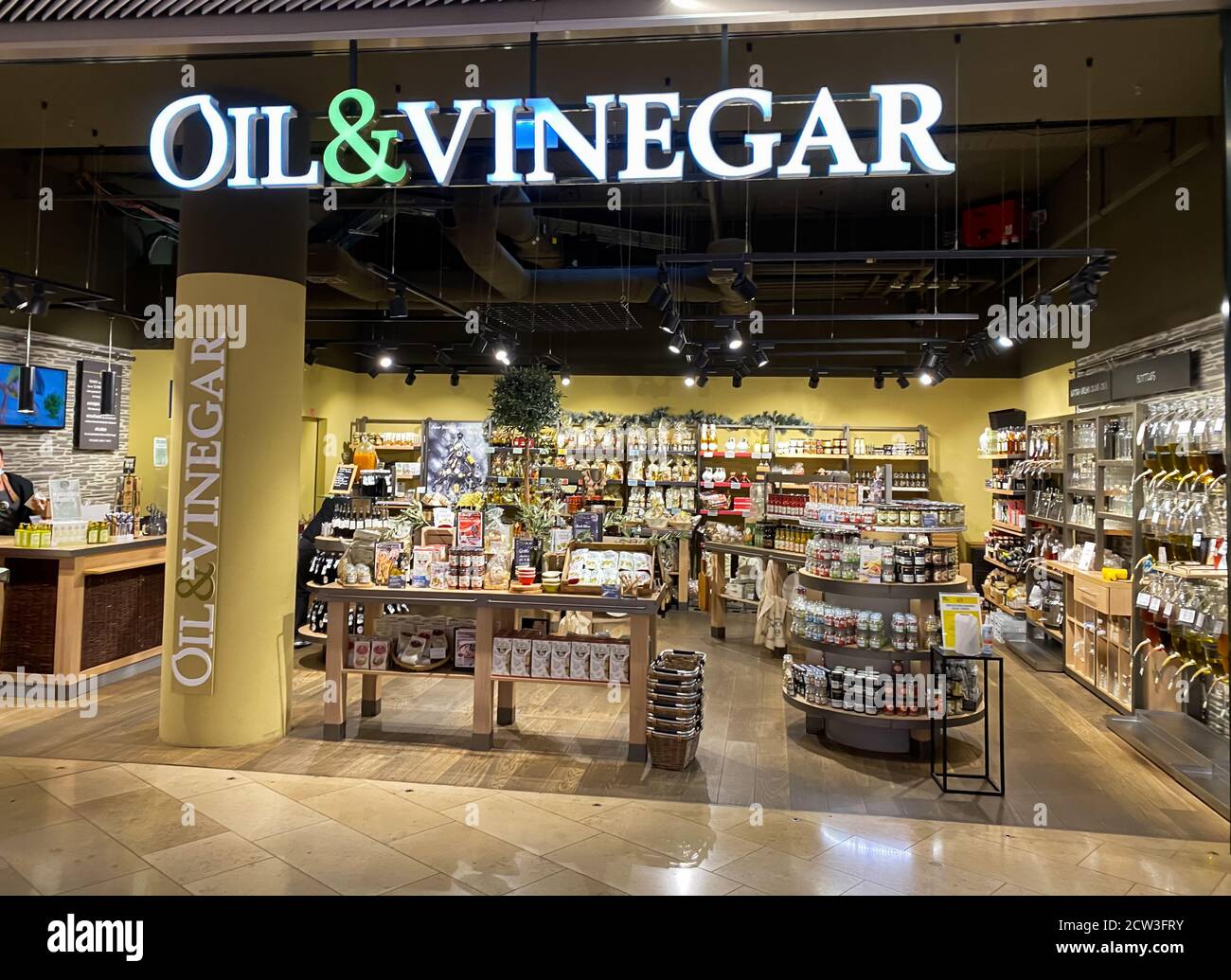
Retailers in the specialty food sector often face unique pressures, including thin margins and the high cost of maintaining physical storefronts in premium locations. As the administrator reviews the viability of each of the 19 German branches, the focus will likely remain on identifying which locations can generate sustainable revenue and which may need to be shuttered to mitigate further losses.
The Future of the Brand
While the brand’s physical presence in Germany remains active for the time being, the ultimate outcome depends on the feasibility of a rescue plan. Investors or competitors may emerge to acquire the German assets of Oil & Vinegar, potentially preserving the brand’s footprint. However, in retail insolvencies, the outcome is rarely guaranteed.
Readers and stakeholders should monitor official announcements from the appointed insolvency office for updates regarding the continuation of store operations or potential store closures. Such updates are typically published through the official German insolvency portal, which serves as the primary source for legal notices concerning company status changes.
Key Takeaways for Stakeholders
- Operations Status: Stores are currently remaining open while the insolvency process is underway.
- Workforce Protection: Approximately 80 employees are impacted, with legal protections, including insolvency benefits, available to secure wages during the transition.
- Legal Oversight: A provisional insolvency administrator has been tasked with auditing the company’s books and determining the path forward for the 19 German branches.
As the situation develops, the focus for the management team will be on maintaining supply chain continuity and retaining customer trust. For loyal patrons of the brand, the immediate impact is minimal, but the long-term presence of the chain will depend heavily on the success of the ongoing financial restructuring efforts.
We will continue to track this story as official filings provide more clarity on the future of the company’s German operations. Do you have thoughts on how changing retail trends are affecting specialty food providers? Share your perspective in the comments below.
Worth a look