Addressing a Critical Health Disparity: The Elevated Risk of Non-Communicable Diseases Among persons with disabilities in Malaysia
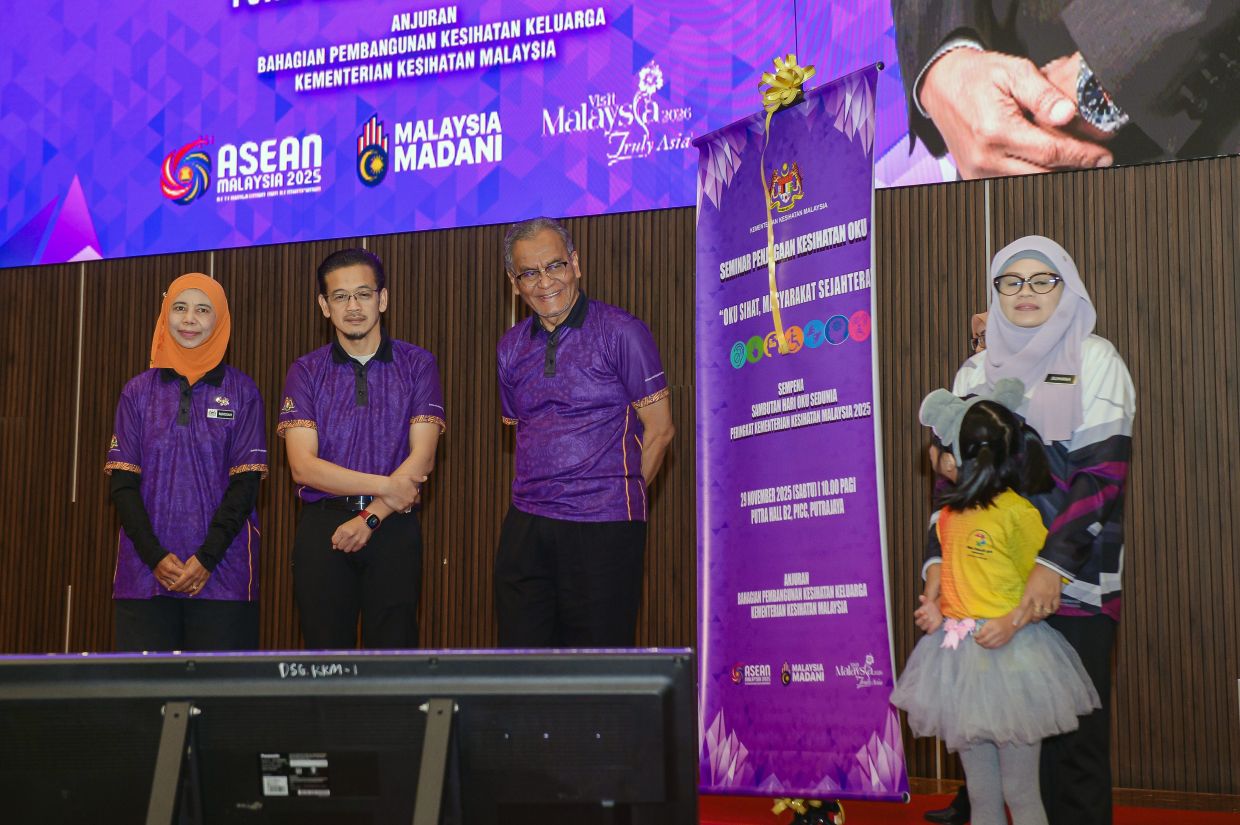
PUTRAJAYA, Malaysia – November 29, 2023 – Recent findings from the National Health and Morbidity Survey (NHMS) 2023 have underscored a significant and concerning health disparity within Malaysia: persons with disabilities (OKU) experience a disproportionately higher prevalence of non-communicable diseases (ncds) compared to the general adult population. This revelation, highlighted by Health Minister Datuk Seri Dr dzulkefly Ahmad at a healthcare seminar for persons with disabilities, demands immediate and focused attention to ensure equitable access to extensive and tailored healthcare services.
The Stark Reality: NCD Prevalence in the OKU Community
The NHMS 2023 data paints a clear picture. A staggering 33.3% of OKU are living with diabetes, more than double the 15.6% rate observed in the general adult population. Similarly, hypertension affects 56.9% of individuals with disabilities, substantially exceeding the 30% prevalence within the broader community. These figures aren’t merely statistics; they represent a critical public health challenge with far-reaching implications for the well-being and quality of life of Malaysian OKU.
why the disparity? Understanding the Contributing Factors
Several interconnected factors likely contribute to this heightened risk. These include:
* Socioeconomic Disadvantage: Individuals with disabilities often face barriers to employment and education, leading to lower socioeconomic status and limited access to resources that support healthy lifestyles.
* Lifestyle Factors: Physical limitations can sometimes hinder participation in regular physical activity. Access to nutritious food may also be compromised due to financial constraints or logistical challenges.
* healthcare Access Barriers: Conventional healthcare settings may not be fully accessible, both physically and in terms of communication. This can lead to delayed diagnosis, inadequate treatment, and poorer health outcomes.
* Secondary Health Conditions: Certain disabilities can directly contribute to the development of NCDs. Such as, individuals with spinal cord injuries may be at increased risk of cardiovascular disease.
* Limited Health Literacy: access to health information tailored to the specific needs of the OKU community can be limited, hindering preventative care and self-management.
A Proactive Response: Malaysia’s Commitment to Inclusive Healthcare
recognizing the urgency of the situation, the Ministry of Health has been actively strengthening healthcare services for OKU for decades. Dr. Dzulkefly Ahmad outlined a comprehensive strategy built on early detection, intervention, and long-term management, emphasizing the need for a healthcare system that is both accessible and responsive to the unique needs of this population.
Key initiatives already in place include:
* Early Intervention Programs: The Children with Special Needs Service,established in 1986 at the primary-care level,focuses on health promotion and disability prevention.
* Expanded Rehabilitation Services: As 1996, rehabilitation services – including physiotherapy and occupational therapy – have been progressively integrated into health clinics nationwide. Currently, 834 clinics offer physiotherapy, and 658 (59.5%) provide occupational therapy.
* Strengthened Primary Care: The integration of family medicine specialists into clinics has enhanced capacity for developmental assessments, early interventions, behavioral management, and comprehensive community-based care.
* Global Newborn Screening: The Universal Newborn Hearing Screening Program, operating in 95 hospitals, has facilitated over 740 cochlear implant surgeries since 2008, addressing hearing loss early in life.
* Accessible Specialist Care: Accessible visual-care facilities are now available in 50 hospitals, and six new hospitals have been designed with universal design principles to maximize accessibility.
* Mental Health Support: Psychiatric services are available in 70 hospitals, complemented by 40 mentari community mental health centres providing treatment, therapy, rehabilitation, and employment support.
* Community-based Programs: Initiatives like Pemulihan Dalam Komuniti (PDK) Ku Sihat, health screenings for OKU trainees, and school health screenings proactively identify health issues.
* Enhanced Home and Palliative Care: expanded home and palliative care services ensure continuous treatment for bed-bound patients.
* Pharmaceutical Accessibility: Malaysia is pioneering OKU-friendly pharmaceutical innovations, including accessible medicine labels, the Drug Information for the Deaf Community (Didcom) initiative, and sign language medication counseling.
* Specialized Dental Care: The special Care Dentistry Service,supported by 14 specialists and active home care teams,addresses the unique dental needs of
Keep reading