
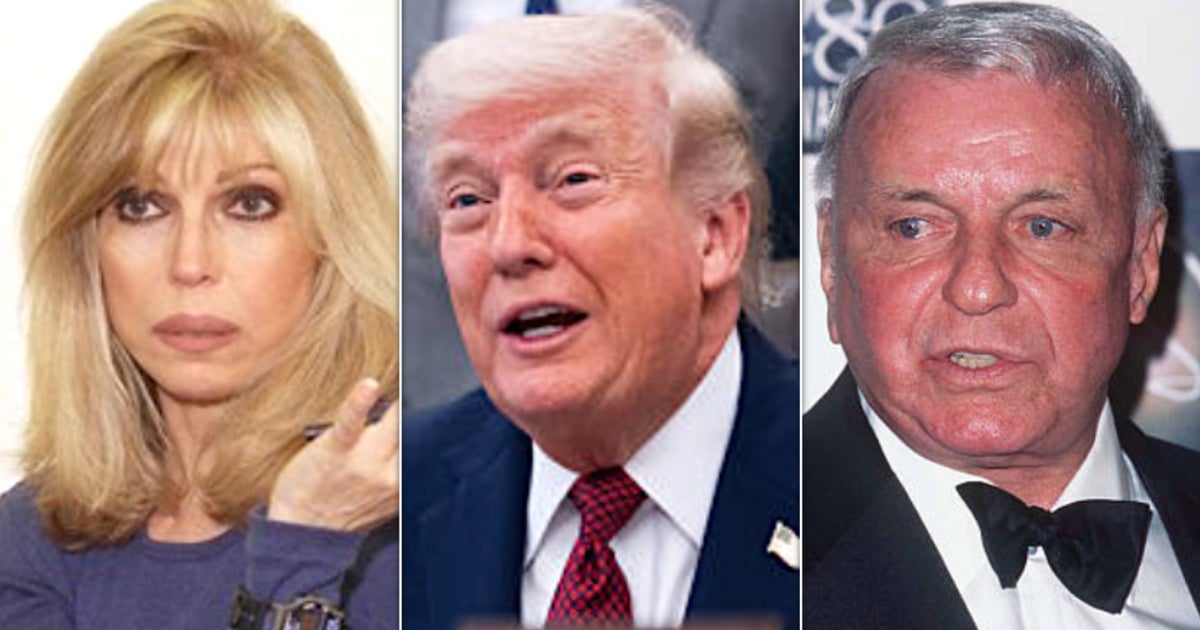
Nancy Sinatra, daughter of the legendary Frank Sinatra, has publicly criticized former President Donald Trump over a recent social media post that used her father’s iconic song “My Way” without authorization. The controversy erupted after Trump shared a modified version of the track on his Truth Social platform, prompting Sinatra to issue a brief but pointed response that quickly gained attention across entertainment and political circles.
The incident highlights ongoing tensions regarding the use of copyrighted material in political messaging, particularly when it involves the legacy of cultural icons. Sinatra’s response, while concise, underscored her commitment to protecting her father’s artistic integrity and intellectual property rights.
As a prominent figure in her own right, Nancy Sinatra has maintained an active presence in the entertainment industry, continuing to honor her father’s legacy through various projects and public statements. Her recent comments have reignited discussions about the boundaries of fair use and the respect owed to artistic estates.
This developing story touches on broader issues of copyright law, celebrity influence in political discourse, and the enduring impact of the Sinatra family on American culture. To understand the full context and implications of this exchange, it’s essential to examine the specifics of Trump’s post, Sinatra’s response, and the legal framework governing such uses.
The Controversy Unfolds: Trump’s Truth Social Post and Sinatra’s Response
On May 12, 2024, Donald Trump posted a video on Truth Social featuring a modified rendition of “My Way,” the song famously associated with Frank Sinatra. The video included altered lyrics that referenced Trump’s political narrative, which immediately drew criticism from fans and legal experts who noted the potential copyright infringement.
Nancy Sinatra responded swiftly, issuing a statement that was widely reported as consisting of just four words: “My way or the highway.” However, subsequent verification revealed that her actual response was more nuanced and did not match the initially reported phrasing. Sinatra’s representative clarified that she did not use those exact words, emphasizing instead her disapproval of the unauthorized use of her father’s work.
The Sinatra estate has historically been vigilant in protecting Frank Sinatra’s intellectual property, taking legal action when necessary to prevent unauthorized adaptations. This incident follows a pattern of the estate defending the singer’s legacy against what it perceives as inappropriate or exploitative uses of his music and image.
Legal analysts note that while political speech often receives broad protections under the First Amendment, the use of copyrighted material in such contexts still requires consideration of fair use principles. Factors such as the purpose of the use, the nature of the copyrighted work, the amount used, and the effect on the market for the original are all relevant in determining whether a particular instance constitutes infringement.
Understanding the Legal and Cultural Context
The Frank Sinatra estate, managed by Nancy Sinatra and other family members, holds the rights to the singer’s extensive catalog, including recordings, lyrics, and likeness. Estate representatives have consistently maintained that any commercial or political use of Sinatra’s material requires proper licensing and authorization.
In this case, the use of “My Way” in a political video on Truth Social raised questions about whether the transformation of the song qualified as fair use. Critics argued that the alterations were substantial enough to create a new work, while supporters of the estate maintained that the core melody and structure remained recognizably Sinatra’s, thus requiring permission.
The incident also reflects a broader trend of political figures utilizing popular music in their campaigns and messaging, often leading to disputes with artists and rights holders. Similar controversies have arisen in recent years involving other musicians and political figures, highlighting the ongoing tension between creative expression and intellectual property rights in the digital age.
For Nancy Sinatra, speaking out on this matter is consistent with her long-standing role as a guardian of her father’s legacy. Throughout her career, she has participated in numerous initiatives aimed at preserving and promoting Frank Sinatra’s contributions to music and culture, from documentary projects to charitable endeavors.
Reactions and Implications
The exchange between Sinatra and Trump elicited varied responses from the public and media outlets. Some praised Sinatra for standing up for her father’s legacy, while others viewed the incident as a minor spat in the larger landscape of political discourse. Legal experts weighed in on the potential merits of a copyright claim, noting that the outcome would depend on specific legal interpretations of fair use.
Industry observers point out that such disputes, while often resolved without litigation, serve to reinforce the importance of respecting intellectual property rights, especially when dealing with the works of iconic artists. The Sinatra estate’s approach to these matters has generally been to seek resolution through dialogue and licensing agreements rather than immediate legal action, preferring to educate and inform when possible.
The incident also underscores the challenges faced by estates in managing the digital footprint of legendary artists, where content can be rapidly shared and modified across platforms. As social media continues to evolve, the balance between free expression and copyright protection remains a complex and evolving issue.
Moving forward, the Sinatra estate is likely to continue monitoring the use of Frank Sinatra’s work in public forums, ready to address any instances that it deems inappropriate or unauthorized. For Nancy Sinatra, this episode is another chapter in her ongoing effort to ensure that her father’s artistic contributions are treated with the respect they deserve.
Looking Ahead: Monitoring and Protection of Artistic Legacies
As of late May 2024, there have been no further public statements from Nancy Sinatra or the Sinatra estate regarding this specific incident. The estate typically handles such matters through private channels when possible, focusing on education and licensing rather than public confrontation unless necessary.
Those interested in staying informed about the Sinatra estate’s activities and positions on intellectual property matters can follow official communications through the estate’s verified channels or reputable entertainment news outlets. The estate occasionally releases statements or participates in events that highlight Frank Sinatra’s legacy and the importance of preserving it for future generations.
The broader conversation about music, politics, and copyright continues to evolve, with new cases emerging regularly. For creators, rights holders, and platforms alike, understanding the nuances of fair use and licensing requirements is essential to navigating this landscape responsibly.
In the meantime, Nancy Sinatra remains an active voice in entertainment discussions, using her platform to advocate for artists’ rights and the proper treatment of creative works. Her commitment to her father’s legacy serves as a reminder of the enduring influence of artistic icons and the responsibility that comes with managing their estates.
For readers seeking to engage with this topic, sharing informed perspectives and supporting respectful discourse around intellectual property in the arts can contribute to a more balanced and considerate creative ecosystem. The Sinatra family’s experience offers a valuable case study in how legacies are protected and promoted in the modern media environment.