Beyond Suspicion: Addressing Terrorism and Community Trust in Jammu and Kashmir
The recent blast near the Red Fort, tragically claiming ten lives and injuring many more, has understandably heightened anxieties. However, it’s crucial to navigate this sensitive time with clarity and avoid generalizations. As a region deeply familiar with the complexities of security and societal harmony, Jammu and Kashmir requires a nuanced approach – one that condemns violence unequivocally while safeguarding the trust of its citizens.
The Core Issue: Avoiding Collective Blame
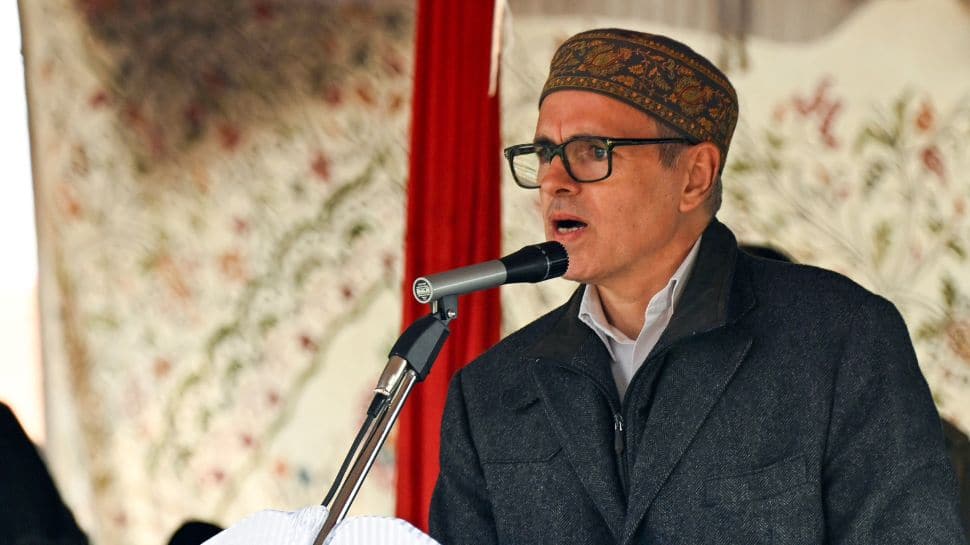
Chief Minister Omar Abdullah recently addressed a critical point: not every resident of Jammu and Kashmir is associated with terrorism. This isn’t simply a matter of political correctness; it’s a fundamental necessity for maintaining social cohesion and effective security. When suspicion falls upon an entire community, it erodes the vrey foundations needed to combat extremism.
Think about it – how can you build partnerships and gather intelligence when entire groups feel targeted and alienated?
Condemnation and Justice: A Two-Pronged Approach
The chief minister rightfully emphasized the unacceptable nature of the Red Fort attack. No religion condones such brutality, and a thorough examination is underway to ensure all perpetrators are brought to justice. This commitment to accountability is paramount.
However, pursuing justice must be coupled with a conscious effort to protect the innocent. as Abdullah pointed out, even educated individuals can be drawn into extremist networks.This highlights the need to address the root causes of radicalization, rather than simply blaming an entire community.
Understanding the Emerging Threat: ‘White-Collar’ Terrorism
Investigations into the Red Fort bombing are focusing on a potential link to jaish-e-Mohammed (JeM), a Pakistan-based terror group. What’s particularly concerning is the emergence of a ‘white-collar’ terror network.
* Dr. Umar un-Nabi, a physician from Pulwama, has been identified as a key suspect – the driver of the vehicle used in the attack.
* This suggests a shift in recruitment tactics, targeting professionals who can provide logistical support and operate with a degree of anonymity.
* The dismantling of a similar network in Faridabad just hours before the explosion underscores the scale of this emerging threat.
This evolving landscape demands a sophisticated response, focusing on intelligence gathering, preventative measures, and community engagement.
Why Blanket Suspicion is Counterproductive
When every Kashmiri Muslim is viewed with suspicion, it creates a self-fulfilling prophecy. It:
* Hinders cooperation with law enforcement.
* Fuels resentment and alienation.
* Provides fertile ground for extremist ideologies to flourish.
* Undermines the social fabric of the region.
You, as a concerned citizen, need to understand that fostering trust is not a sign of weakness, but a strategic imperative.
Moving Forward: Building a Secure and Inclusive Future
The path forward requires a multi-faceted approach:
* Strengthen intelligence networks: Focus on identifying and dismantling terror modules before they can execute attacks.
* Address root causes: Invest in education, economic opportunities, and social programs to counter the appeal of extremism.
* Promote interfaith dialog: Foster understanding and cooperation between different communities.
* Uphold the rule of law: Ensure that justice is served fairly and impartially, protecting the rights of all citizens.
* Community Policing: Build relationships between law enforcement and local communities.
Evergreen Insights: The Importance of Nuance in Counter-Terrorism
The situation in Jammu and Kashmir serves as a powerful reminder that counter-terrorism efforts must be nuanced and context-specific. Blanket approaches and collective punishment are not only morally reprehensible but also strategically counterproductive. Effective counter-terrorism requires building trust, fostering cooperation, and addressing the underlying grievances that fuel extremism. This principle applies not just to Jammu and Kashmir, but to any region grappling with the threat of terrorism.
Frequently Asked Questions (FAQs)
1. What is the current status of the investigation into the Red Fort blast?
The investigation is ongoing, with authorities focusing on a potential link to Jaish-e-Mohammed (JeM) and a newly identified ‘white-collar’ terror network.
2. How does the Chief Minister’s statement address concerns about terrorism in Jammu and Kashmir?
Chief Minister Abdullah’s statement emphasizes the importance of avoiding collective blame and focusing on individual perpetrators, rather than generalizing about the entire Kashmiri community.
**3. What
Related reading