The World Health Organization (WHO) and the Pan American Health Organization (OPS) have issued a renewed alert regarding rising cases of yellow fever across the Americas, urging countries to strengthen preventative measures and control efforts. A concerning trend is the emergence of outbreaks in areas previously considered low-risk, even extending beyond the historically affected Amazon region. This resurgence poses a significant public health challenge, demanding swift and coordinated action to protect vulnerable populations.
Yellow fever, a viral hemorrhagic disease transmitted by infected mosquitoes, remains a potent threat in tropical regions of Africa and South America. The “yellow” in the disease’s name refers to the jaundice that affects some patients, a symptom indicative of liver damage. While often mild, yellow fever can progress to a severe, life-threatening illness characterized by high fever, bleeding and organ failure. According to the National Institutes of Health, the disease can be fatal in up to 50% of severe cases, causing hepatic and renal failure, as well as severe hemorrhaging. The NIH provides detailed information on the disease’s pathology and clinical presentation.
A Shifting Landscape for Yellow Fever in the Americas
Recent data from the OPS and WHO reveal a substantial increase in yellow fever cases across the Americas. In 2025, a total of 346 human cases were confirmed in seven countries, resulting in 143 deaths. This represents a more than fivefold increase compared to the 61 cases reported in 2024. The escalating situation prompted the organizations to issue the alert, emphasizing the require for heightened vigilance and proactive intervention strategies.
The first seven epidemiological weeks of 2026 (January to February) have already recorded 34 confirmed cases and 15 deaths attributed to yellow fever. The affected countries include Bolivia (one death), Colombia (25 cases, including 13 deaths), Peru (2 cases), and Venezuela (6 cases, including one death). This early-year surge underscores the accelerating trend and the urgency of the situation.
Looking back at 2025, the distribution of cases was as follows: Bolivia (8 cases, 2 deaths), Brazil (120 cases, 48 deaths), Colombia (125 cases, 46 deaths), Ecuador (11 cases, 8 deaths), Guyana (1 death), Peru (49 cases, 19 deaths), and Venezuela (32 cases, 19 deaths). This geographical spread highlights the widening reach of the disease and the need for a comprehensive regional response.
🚨 Alerta OPSLa OPS advierte sobre transmisión sostenida de fiebre amarilla en Sudamérica, con casos en 2026 y detección en zonas fuera de la Amazonía.🟡 Urge reforzar vigilancia, vacunación y protección de viajeros.ℹ️ https://t.co/BxLHhYzSMw#FiebreAmarilla #SaludPública pic.twitter.com/Mg1A6fhFEF— OPS/OMS (@opsoms) March 13, 2026
Understanding the Risks and Transmission
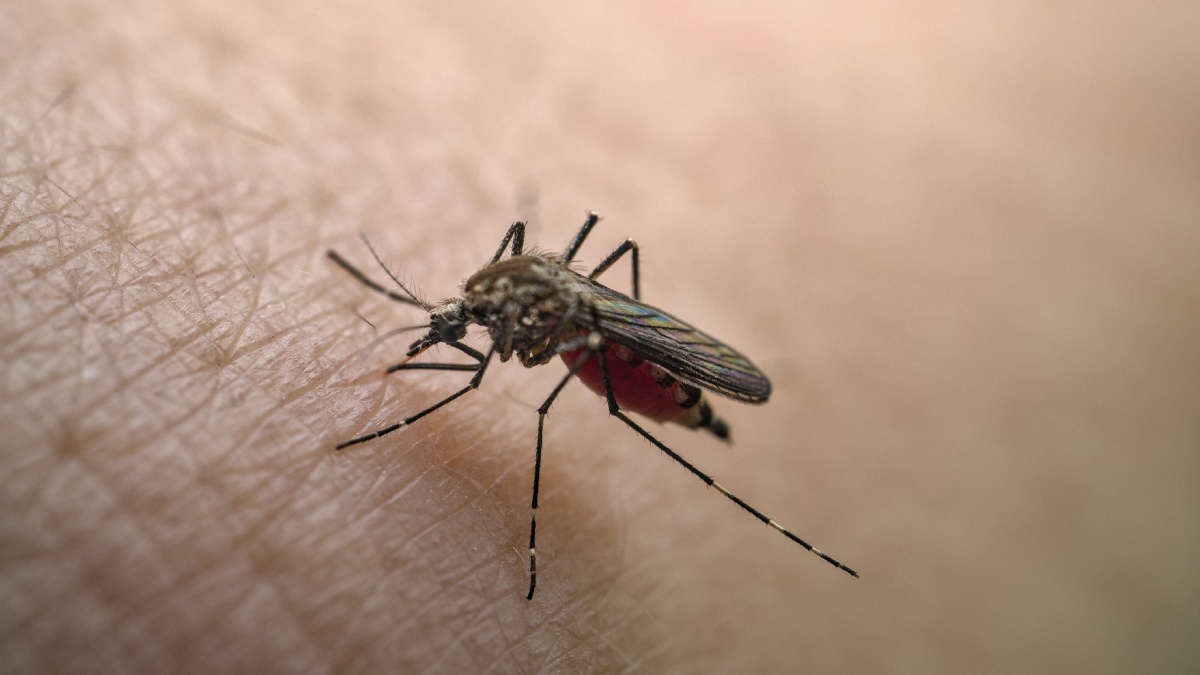
Yellow fever is primarily transmitted to humans through the bite of infected mosquitoes, specifically Aedes and Haemagogus species. These mosquitoes thrive in both domestic, forested (sylvatic), and semi-domestic environments. The virus is maintained in a cycle involving mosquitoes and non-human primates. Human infection occurs when mosquitoes bite infected primates and then transmit the virus to people. The Pan American Health Organization provides detailed information on the transmission cycle and ecological factors influencing the spread of yellow fever.
The WHO classifies 27 countries in Africa and 13 in Latin America as high-risk for yellow fever outbreaks. The potential for international spread remains a significant concern for global health security. A highly effective and affordable vaccine is available, providing lifelong immunity with a single dose. However, vaccination rates remain insufficient in many at-risk areas, leaving populations vulnerable to infection.
The current outbreaks are particularly concerning due to their occurrence outside the traditional Amazon basin. This suggests a shift in the virus’s geographic range, potentially linked to changes in mosquito populations and human behavior. The presence of Aedes aegypti, a highly adaptable mosquito species, in urban areas further increases the risk of transmission in densely populated settings.
Recommendations and Response Strategies
In response to the escalating situation, the WHO and OPS are urging member states to prioritize several key actions. These include strengthening surveillance systems to detect and track cases, intensifying vaccination campaigns targeting at-risk populations, and implementing measures to control mosquito vectors. Effective mosquito control strategies include eliminating breeding sites, using insecticides, and promoting personal protective measures such as insect repellent and protective clothing.
The organizations also emphasize the importance of robust clinical management of cases, including early diagnosis and supportive care. Access to adequate healthcare facilities and trained personnel is crucial for reducing mortality rates. Maintaining a stockpile of yellow fever vaccine is essential to ensure a rapid response to potential outbreaks. The WHO recommends vaccination for individuals traveling to areas with a risk of yellow fever transmission.
public awareness campaigns are vital to educate communities about the risks of yellow fever, the importance of vaccination, and the measures they can accept to protect themselves from mosquito bites. Clear and accurate information can empower individuals to build informed decisions and contribute to outbreak prevention efforts.
The current situation demands a collaborative and sustained effort from governments, international organizations, and communities to effectively combat the spread of yellow fever and protect public health. Continued monitoring of the epidemiological landscape, coupled with proactive intervention strategies, will be critical in mitigating the impact of this resurgent threat.
The next key update regarding the yellow fever situation in the Americas is expected from the OPS/WHO during their scheduled briefing on April 15, 2026, where they will present a comprehensive assessment of the outbreak and outline further response plans. Stay informed by visiting the PAHO website for the latest information and guidance. Your thoughts and experiences are valuable – please share your comments and perspectives below.
Keep reading