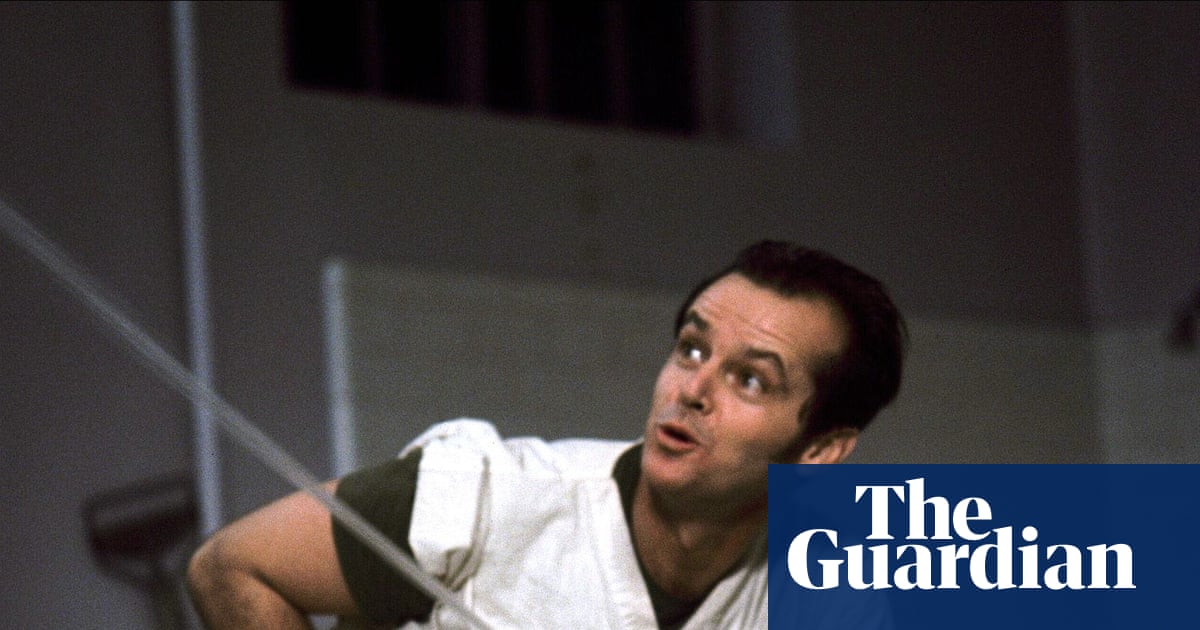
The Enduring, and evolving, Legacy of One Flew Over the Cuckoo’s Nest
Fifty years after it’s release, One Flew Over the cuckoo’s Nest remains a cinematic touchstone. But its resonance isn’t simply nostalgia. The film’s power lies in how its themes of institutional control, rebellion, and individual spirit continue to echo – and are re-evaluated – in contemporary society.
The film’s setting, a mental institution, feels surprisingly timeless. While McMurphy’s fishing trip might seem quaint today, the core sense of isolation and rigid structure transcends the 1960s setting and even the 1970s production era. It taps into a universal fear of being confined and controlled.
A Lineage of Rebellion: From Cuckoo’s Nest to Animal House
Interestingly, the film’s influence can be seen in seemingly lighter fare. Animal House,released just a few years later,shares a similar timeframe and explores male liberation through partying and self-destructive behavior. However, Cuckoo’s nest carries a weight Animal House avoids – a profound sadness that underscores its rebellious spirit.
This spirit, though, is undeniably American. The film champions a rugged individualism, even leaning into problematic tropes by associating this quality with its Native American character, Chief Bromden. Looking back now, in 2025, the film’s approach to mental health feels…dated.
Consider this:
* Billy’s stammer is “cured” through sheer willpower, a thematically convenient solution.
* Chief’s muteness and deafness are presented as a choice,a performance rather than inherent conditions.
* Medication is framed as a tool of conformity, rather than a potential aid to healing.
These elements reflect evolving understandings of mental health and challenge us to re-examine the film’s message through a modern lens.
A Reflection of 1970s American Anxiety
The context of Cuckoo’s Nest’s Oscar win is also revealing. The competition in 1975 offered a fascinating snapshot of American anxieties.
Alongside Kubrick’s barry Lyndon, the nominees included:
* Jaws: Celebrated the “can-do” spirit against the backdrop of American capitalism.
* Dog Day Afternoon: Depicted societal abandonment and the spectacle of crime.
* Nashville: Satirized the absurdity of the American political landscape.
cuckoo’s Nest, culminating in Chief’s heartbreaking act of mercy and his subsequent escape, is arguably the saddest of the bunch. Yet, it’s often perceived as triumphant. This speaks to a deep-seated desire for agency and a belief in the power of individual resistance.
The Power of a Partial Victory
McMurphy’s final words – “I tried, didn’t I? Goddammit, at least I did that” – encapsulate this sentiment.It’s a message that resonates deeply. It’s not about achieving flawless victory,but about the courage to fight,even when defeat seems inevitable.
This isn’t a subtle message, especially when compared to the nuanced narratives of its contemporaries. But its simplicity is its strength. Who hasn’t faced a loss and clung to the idea that they fought the good fight?
One Flew Over the Cuckoo’s Nest isn’t just a film about a mental institution. It’s a film about the human spirit,the struggle for autonomy,and the enduring need to believe that even in the face of overwhelming odds,your efforts matter.And that’s a message that will likely continue to resonate for generations to come.
Worth a look