
Bitcoin network activity is experiencing a significant surge, with transaction volume and on-chain data usage approaching historic highs. This increase in activity coincides with the growing adoption of the OP_RETURN opcode, which allows users to embed arbitrary data directly into the Bitcoin blockchain without creating unspendable outputs, according to data from Bitbo and Mempool.space.
The technical evolution of how data is stored on the Bitcoin network has fundamentally changed the landscape of block space demand. While the network was originally designed primarily for peer-to-peer financial transactions, the ability to utilize OP_RETURN for metadata has enabled developers to build diverse applications—ranging from digital collectibles to decentralized identity protocols—directly on the base layer. This shift has led to record-breaking levels of data throughput, impacting both transaction fees and the overall size of the blockchain ledger.
The Role of OP_RETURN in Modern Bitcoin Transactions
The OP_RETURN opcode functions as a mechanism for adding metadata to a Bitcoin transaction. By marking a transaction output as invalid for spending, the protocol ensures that the data attached does not bloat the Unspent Transaction Output (UTXO) set, which is critical for the long-term health and scalability of full nodes. According to the Bitcoin Developer Guide, this feature is the standard method for including non-financial information on the blockchain.
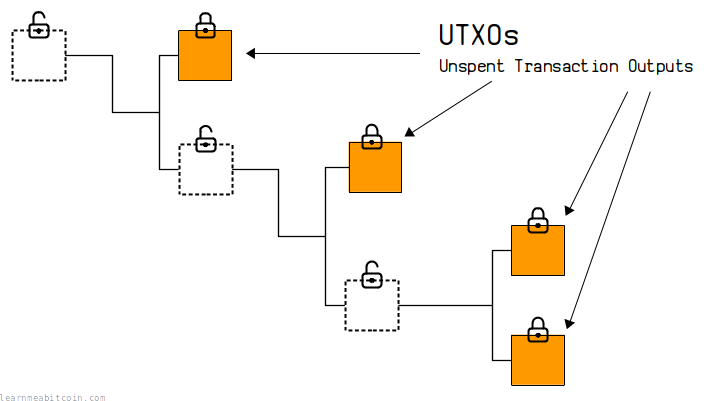
Recent trends show that developers are maximizing the capacity of these transactions to store increasingly complex data structures. As noted in reports by CoinDesk, the rise of protocols like Ordinals and other inscription-based technologies has driven a substantial portion of this growth. These protocols treat each satoshi—the smallest unit of Bitcoin—as a unique vessel for digital artifacts, fundamentally altering the traditional economic model of network usage.
Impact on Network Congestion and Fee Markets
The surge in on-chain activity has had a measurable effect on the Bitcoin fee market. Because block space is finite, the competition to include data-heavy transactions has periodically driven transaction costs higher. According to market analysis from Glassnode, periods of intense inscription activity lead to significant spikes in average transaction fees, forcing users to prioritize higher sat-per-vbyte bids to ensure timely inclusion in upcoming blocks.

This dynamic has sparked a broader conversation within the community regarding the primary purpose of the Bitcoin network. Proponents argue that the surge in activity demonstrates the network’s versatility and provides miners with necessary revenue through transaction fees, especially as the block subsidy continues to decrease following the quadrennial halving events. Conversely, critics suggest that non-financial data usage could potentially crowd out traditional monetary transactions, leading to increased costs for users who rely on Bitcoin purely as a store of value or a medium of exchange.
Market Sentiment and Institutional Perspectives
Global financial platforms, including major exchanges like Binance, continue to monitor these developments as they impact user transaction times and infrastructure requirements. The integration of high-volume data protocols necessitates robust node management and efficient mempool handling. According to official updates from Binance Research, the maturation of Bitcoin’s layer-2 solutions and sidechains is seen as a potential path to alleviating pressure on the main chain while maintaining the security benefits of the underlying protocol.
The current state of the network reflects a transition from a singular focus on currency to a multi-faceted platform for digital asset settlement. As the total size of the Bitcoin blockchain continues to grow—surpassing 500 gigabytes as of mid-2024 according to Blockchain.com—the trade-off between decentralization and functionality remains a central theme for developers and investors alike.
Looking Ahead: Scalability and Future Upgrades
The next major checkpoint for the network involves upcoming soft fork proposals and improvements to the Taproot upgrade, which may provide more efficient ways to handle complex transaction scripts. The Bitcoin development community remains focused on balancing the desire for increased functionality with the core tenets of security and censorship resistance. Stakeholders are encouraged to follow the Bitcoin Core release notes for official updates regarding protocol changes and performance optimizations.

As transaction volumes fluctuate, the ability of the Bitcoin network to adapt to changing user demands will likely remain a key indicator of its long-term viability. Investors and developers should watch for upcoming technical discussions within the BIP (Bitcoin Improvement Proposal) process to understand how future upgrades might address current capacity constraints. We invite readers to share their perspectives on the evolution of Bitcoin’s utility in the comments section below.
Related reading