
The global energy landscape has entered a period of profound volatility following the shock departure of the United Arab Emirates from the Organization of the Petroleum Exporting Countries (OPEC) and its wider OPEC+ alliance. Effective May 1, 2026, the UAE’s exit marks the most significant fracture in the organization’s 66-year history, leaving the remaining members to navigate a market already strained by geopolitical conflict and disrupted supply chains.
In the immediate wake of this withdrawal, a core group of seven OPEC+ nations, led by Saudi Arabia and Russia, has reached an agreement in principle to move forward with a modest increase in oil production targets for June. This decision represents the group’s first production move since the UAE’s departure and is seen by analysts as an attempt to maintain a “business as usual” facade amid systemic instability.
The move comes as the alliance grapples with the loss of one of its most influential members. The UAE, which joined OPEC in 1967 and grew to become the group’s second-largest producer by liquids capacity, cited national interests
as the primary driver for its decision to forge an independent path according to official statements.
OPEC+ Navigates a Post-UAE Production Strategy
The agreement reached by the seven remaining key OPEC+ members involves raising collective oil output targets by approximately 188,000 barrels per day (bpd) in June as reported by sources familiar with the group’s thinking. This would mark the third consecutive monthly increase in production targets, though the actual physical impact on the market remains questionable.
Market observers note that while the 188,000 bpd increase is a symbolic gesture of stability, the actual flow of oil is severely hampered by the ongoing U.S.-Iran conflict. The closure of the Strait of Hormuz—a critical chokepoint for global energy shipments—has effectively paralyzed many Gulf exports, meaning these quota increases may remain largely on paper for the foreseeable future.
The UAE’s departure is particularly damaging as of its significant production capacity. With an estimated capacity of approximately 4.8 million barrels per day, the UAE had long expressed frustration with the rigid quotas imposed by the cartel according to Al Jazeera’s analysis. By exiting the agreement, Abu Dhabi is now free to maximize its own output regardless of the group’s pricing strategies.
The Strategic Impact of Abu Dhabi’s Independence
The withdrawal of the UAE strips OPEC+ of a critical pillar of its influence. For decades, the alliance relied on a unified front to manage price floors and control global supply. With the UAE now operating as a “wildcard” producer, the risk of oversupply increases, which could potentially weaken prices in the medium term.
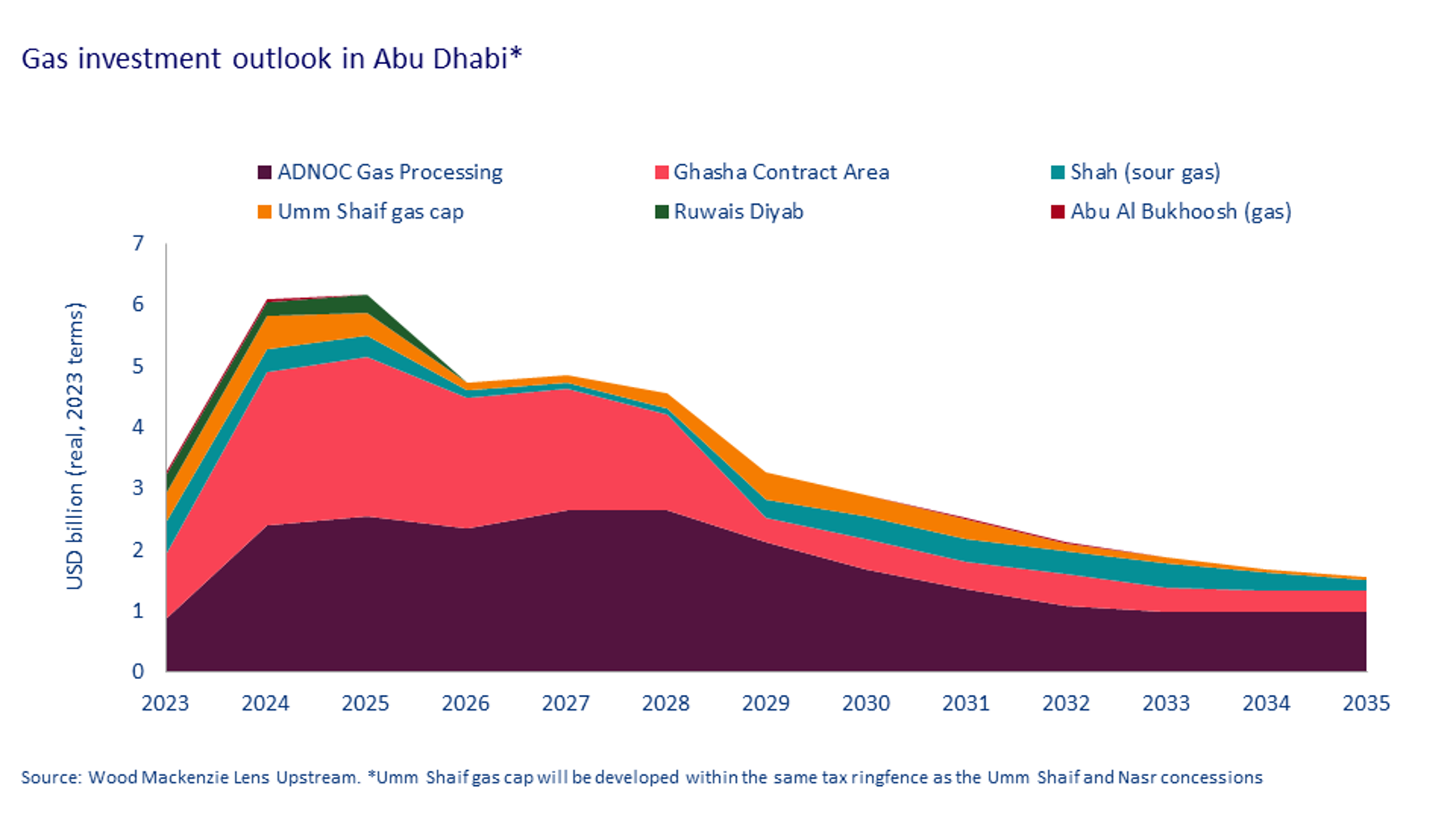
Analysis from Wood Mackenzie suggests that this exit increases the risk of a medium-term oil price decline starting in 2027, as competition for market share emerges between the independent UAE and the remaining OPEC+ members according to a report published May 3, 2026. The loss of the UAE’s cooperation undermines the group’s ability to manage the market during times of distress, particularly as global energy demand continues to shift.
the UAE’s move is viewed as a strategic pivot toward national sovereignty over energy policy. By decoupling from the cartel, the UAE can align its production levels more closely with its own economic growth targets and infrastructure investments, such as those involving ADNOC’s listed entities, without the constraint of collective quotas.
Market Volatility and the ‘Hormuz Factor’
The timing of the UAE’s exit coincides with unprecedented turmoil in the Middle East. The ongoing conflict involving Iran has created a paradoxical situation where OPEC+ is raising production targets on paper while the physical ability to export that oil is restricted by naval blockades and security risks in the Strait of Hormuz.
This disconnect creates a high-risk environment for energy traders. While the “OPEC+ Seven” attempt to signal a steady hand, the reality of the war and the loss of the UAE’s alignment suggest a fragmenting order. The risk of a “bitter price war” has been raised by analysts, as the UAE may seek to regain or expand its market share while others are unable to ship their crude according to Reuters commentary.
Key Takeaways: The New Energy Order
- UAE Exit: The UAE officially withdrew from OPEC and OPEC+ on May 1, 2026, citing national interests.
- Production Hike: Seven OPEC+ members agreed in principle to increase June production by roughly 188,000 bpd.
- Supply Constraints: Actual exports remain limited due to the closure of the Strait of Hormuz amid the U.S.-Iran conflict.
- Long-term Risk: Analysts warn of increased market share competition and potential price declines starting in 2027.
- Cartel Weakening: The loss of the second-largest producer by liquids capacity significantly reduces OPEC’s global leverage.
What Happens Next?
The energy market now awaits the formal ratification of the June production targets and any further coordination efforts between Saudi Arabia and Russia to fill the void left by the UAE. The primary focus for investors and policymakers will be whether the “OPEC+ Seven” can maintain discipline without one of their most powerful members, or if the alliance will continue to fracture under the pressure of regional war and nationalistic economic policies.
The next critical checkpoint will be the official policy meeting scheduled for Sunday, May 3, 2026, where the agreement in principle is expected to be formalized. Market participants will be watching for any signs of further member instability or shifts in the production targets that might signal a more aggressive response to the UAE’s independence.
We invite our readers to share their perspectives on this shift in global energy dynamics in the comments below. How do you believe the UAE’s independence will affect global fuel prices in the coming year?