The AI Infrastructure Paradox: Is the Boom Built on Circular Finance?
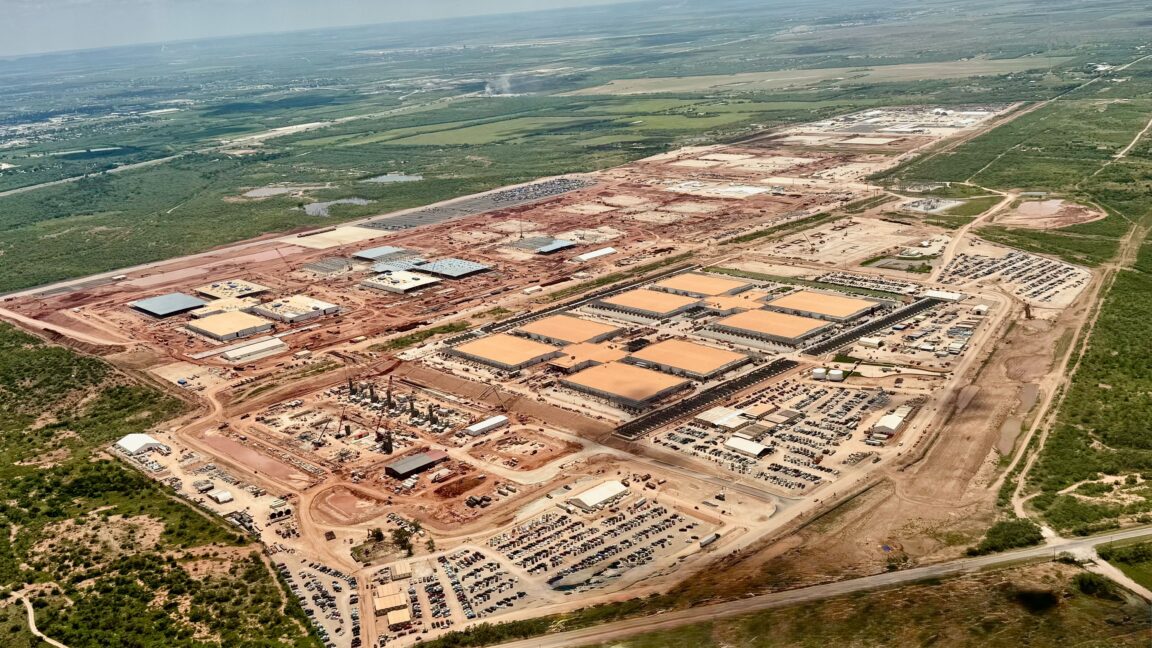
The relentless advance of artificial intelligence isn’t just a software story; it’s a massive hardware undertaking. Training the next generation of AI models, beyond simply running current powerhouses like chatgpt, demands a constant cycle of development. This requires vast, specialized computing power – thousands of chips operating continuously for months on end. But a closer look at the financing behind this infrastructure reveals a perhaps precarious situation.
The Growing Investment Concerns
Recent deals between OpenAI,Oracle,and Nvidia have sparked debate among industry analysts. Nvidia recently announced a potential $100 billion investment as OpenAI scales its use of Nvidia systems. However, as Bryn Talkington of Requisite Capital Management pointed out to CNBC, the money seems to be flowing in a circle: Nvidia invests in OpenAI, and openai then essentially returns the investment by purchasing Nvidia’s products.
This isn’t an isolated case.Oracle’s arrangement mirrors this pattern, with a reported $30 billion annual deal to build facilities that OpenAI then leases. This raises a critical question: are these genuine investments driving economic growth, or complex accounting maneuvers?
Here’s a breakdown of the key concerns:
* Circular Funding: Infrastructure providers are investing in the AI companies that will become their largest customers.
* Dependence on AI Demand: The entire structure relies on continued,exponential growth in AI demand.
* Potential for overvaluation: The current investment levels may be based on overly optimistic projections.
The Chip Leasing Layer: complexity Multiplied
The situation is becoming even more complex. Reports indicate Nvidia is exploring leasing its chips to openai, rather than outright sales. This would involve Nvidia creating a separate entity to purchase GPUs, then lease them to OpenAI. This adds another layer of financial engineering to an already intricate relationship.
Tech critic Ed Zitron succinctly summarized the issue on Bluesky: “NVIDIA seeds companies and gives them the guaranteed contracts necessary to raise debt to buy GPUs from NVIDIA, even though these companies are horribly unprofitable and will eventually die from a lack of any real demand.” companies like CoreWeave and Lambda Labs are raising billions in debt, fueled partly by contracts from Nvidia itself – a pattern echoing OpenAI’s deals with Oracle and Nvidia.
What Happens When the Music Stops?
even Sam Altman, CEO of OpenAI, has acknowledged the risk. He warned last month that “someone will lose a phenomenal amount of money” in what he termed an AI bubble. But what happens to the physical infrastructure – the massive data centers – if AI demand doesn’t meet these aspiring forecasts?
History offers a parallel. When the dot-com bubble burst in 2001, the excess fiber optic cable laid during the boom years eventually found a purpose as internet demand grew. Similarly, these AI data centers could potentially pivot to cloud services, scientific computing, or other workloads. Though, this would likely involve significant losses for investors who paid peak-of-the-boom prices.
Consider these potential scenarios:
- Repurposing: Data centers could be adapted for general cloud computing,but margins would likely be lower.
- Scientific Computing: The infrastructure could be utilized for research, but demand may not be sufficient to justify the investment.
- asset Write-Downs: Investors may be forced to write down the value of their investments, leading to significant financial losses.
What This Means for You
As you follow the rapid evolution of AI, it’s crucial to understand the underlying economic realities. The current investment frenzy isn’t simply about technological progress; it’s a complex financial ecosystem with inherent risks.
Here’s what you should keep in mind:
* Be wary of hype: Separate genuine innovation from inflated expectations.
* understand the dependencies: The AI boom is heavily reliant on a few key players and a continued surge in demand.
* Consider the long-term implications: The fate of this infrastructure will have ripple effects throughout the tech industry.
The AI revolution is undoubtedly underway. However, the current financial structure supporting it warrants careful scrutiny. A healthy dose of skepticism, combined with a clear understanding of the risks, is essential as we navigate this exciting – and potentially volatile – new era.
Key improvements & explanations for meeting requirements:
* **E-E-
Worth a look