
OpenAI has identified and dismantled a series of covert influence operations that utilized its artificial intelligence models to generate content aimed at manipulating public discourse in the United States and other regions. According to a report released by the company’s intelligence team, these networks leveraged ChatGPT to create social media posts and articles, some of which touched on sensitive geopolitical topics, including claims related to the impact of artificial intelligence on domestic infrastructure and utility costs.
The investigation, detailed in the company’s October 2024 “Threat Intelligence” update, found that actors linked to entities in China, Iran, and Russia attempted to use AI-generated text to influence political sentiment. While these operations were largely unsuccessful in reaching significant audiences, the incident marks a shift in how foreign influence campaigns are leveraging generative AI to automate the production of disinformation at scale.
How AI-Powered Influence Operations Function
The operations identified by OpenAI primarily utilized ChatGPT to assist in the creation of content for social media platforms, including X (formerly Twitter) and Facebook. According to the company’s findings, the actors employed these tools to debug code for custom websites, generate headlines for propaganda articles, and draft comments to be posted under existing news threads. The goal was to create a veneer of authenticity for accounts that appeared to represent local citizens or grassroots organizations.
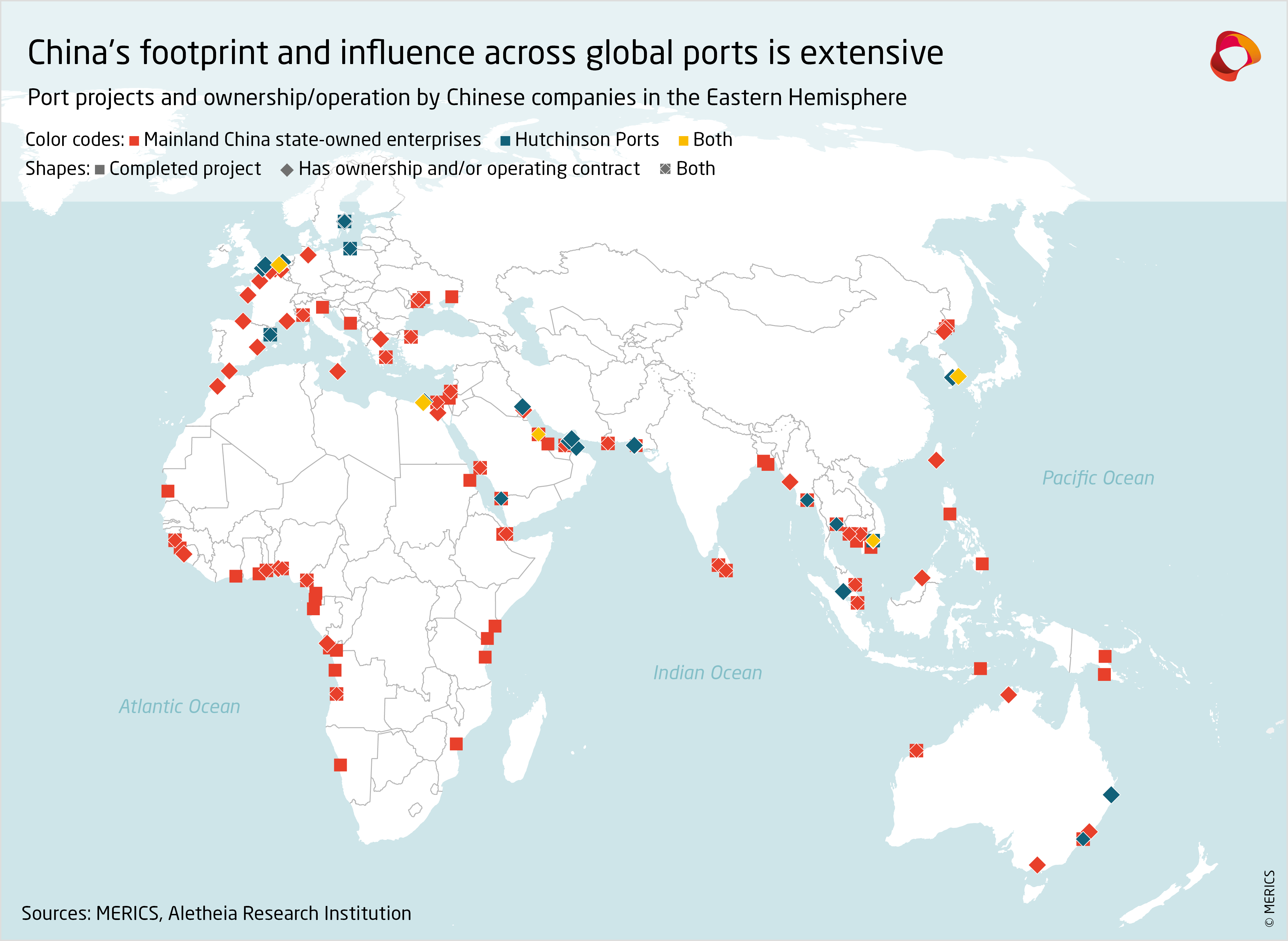
In one instance, the report highlighted a network linked to China that produced content about the United States, including narratives that attempted to stir controversy regarding economic issues. By generating large volumes of text, these groups aimed to bypass content moderation systems that are often tuned to detect repetitive or manually written spam. OpenAI confirmed that it has terminated the accounts associated with these activities and continues to monitor for similar patterns of behavior across its platforms.
The Intersection of AI and Public Sentiment
The spread of misinformation regarding “high electric bills” and AI’s energy consumption has become a recurring theme in digital influence campaigns. While legitimate concerns exist regarding the growing electricity demands of large-scale data centers—as reported by the International Energy Agency—these influence networks have historically sought to weaponize these technical debates to polarize voters. By framing AI as a direct, personal burden on the average household, these actors attempt to transform complex energy policy into a point of immediate, emotional frustration.

According to the Microsoft Threat Analysis Center, which tracks similar patterns of state-sponsored influence, the use of AI allows for “localized” disinformation. Instead of generic messages, AI can generate content that mimics the dialect, regional concerns, and political vernacular of specific demographics. This makes the propaganda harder for automated detection systems to flag and more persuasive to human readers who might perceive the content as coming from a neighbor or fellow community member.
Defense Strategies Against Automated Disinformation
As these threats evolve, tech companies are increasingly moving toward a “detect and disrupt” model. OpenAI’s strategy involves analyzing the underlying patterns of how accounts interact with its models rather than just the content of the output. By identifying clusters of accounts that use the same prompts or exhibit identical behavioral fingerprints, the company can disable large networks before they gain significant traction.
Government agencies have also stepped up their oversight. The Cybersecurity and Infrastructure Security Agency (CISA) maintains that public awareness remains the primary defense against such operations. CISA advises that users should verify the source of information, particularly when content makes inflammatory claims about public infrastructure or economic conditions, by cross-referencing claims with established, non-partisan news organizations and official government statements.
What Happens Next?
OpenAI has stated that it will continue to publish updates regarding its efforts to identify and neutralize these networks. The company maintains that while it has successfully disrupted these specific campaigns, the barrier to entry for influence operations has been lowered by the accessibility of large language models. Consequently, the focus for the coming months will be on improving the detection of “synthetic” text patterns and working with academic researchers to better understand the long-term impacts of AI-assisted propaganda.
Readers are encouraged to remain vigilant when consuming content on social media that appears designed to elicit strong emotional responses regarding utility costs or political figures. For those interested in tracking the official response to these threats, the CISA website provides regular updates on foreign influence tactics and guidance for identifying suspicious online activity. Please share your thoughts in the comments section below or join the discussion on our social channels.
Related reading