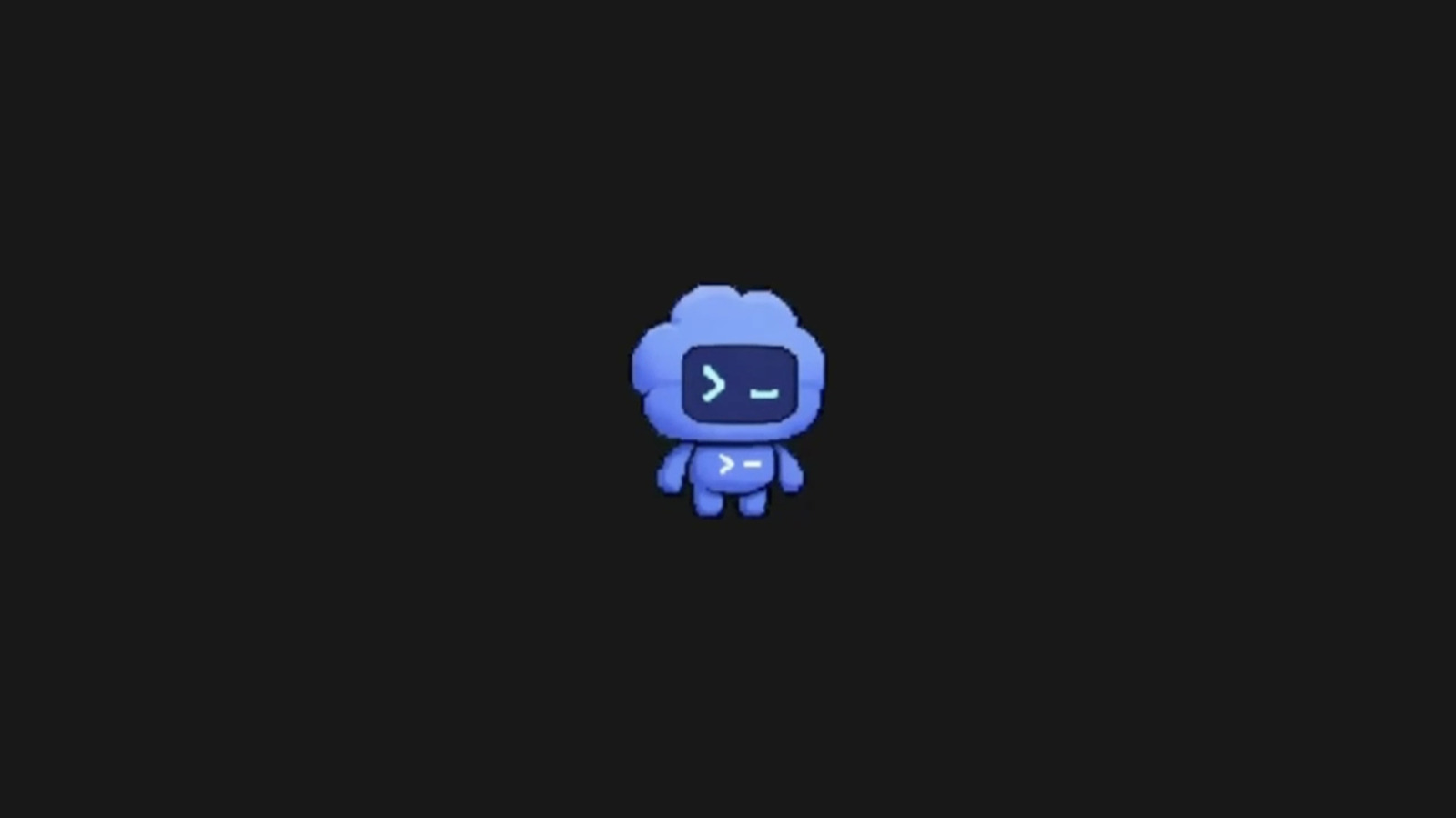
OpenAI has introduced a whimsical fresh layer to its developer ecosystem with the launch of AI-generated pets for the Codex app. These animated companions, designed as optional floating overlays, serve as visual indicators for the status of the agentic coding tool, blending productivity with a touch of digital companionship.
The feature, which has been compared to a modern, more functional evolution of Microsoft’s legacy Clippy, allows developers to monitor their active threads without needing to keep the main Codex interface in full view. By transforming technical status updates into the behavior of a digital pet, OpenAI is attempting to soften the experience of “vibe coding” and long-running autonomous tasks.
According to reports from Engadget and other tech outlets, these pets do not contribute to the actual coding process. Instead, they function as a notification system, alerting users when Codex has completed a task, is currently running a process, or requires human input to proceed.
How Codex Pets Integrate into the Workflow
The integration is designed to be unobtrusive, operating as a companion layer that hovers above other active applications. For users on macOS, the pets behave similarly to a “tiny Dynamic Island,” floating over the Dock to provide real-time visual cues about background activity. This allows developers to maintain their focus on their IDE or other tools even as remaining aware of the agent’s progress.

Summoning these companions is handled through a simple command. Users can type /pet
within the editor to awaken or dismiss their animated companion. Once active, the pet reflects the current state of the Codex thread, transitioning between states such as running
, waiting for input
, and under review
.
The Codex app itself, which debuted for macOS on February 2, 2026, and expanded to Windows on March 4, 2026, was built to manage multiple agents simultaneously and handle parallel work over long-running tasks. The addition of pets is an experimental step toward making these complex, agentic workflows more intuitive and engaging for the user.
Customization and Interaction
Beyond their utility as status indicators, the pets offer a degree of personalization. Experimental versions of the feature allow users to “hatch” these small AI companions and assign them unique names, turning the solitary act of software development into a more collaborative-feeling experience. While the pets remain strictly for amusement and notification, they provide a psychological bridge between the user and the autonomous agents working in the background.
The Shift Toward ‘Vibe Coding’ and Agentic Tools
The introduction of Codex Pets highlights a broader trend in the industry toward “vibe coding”—a style of development where the programmer acts more as an orchestrator of AI agents than a manual writer of every line of code. In this environment, the primary challenge is no longer just syntax, but monitoring the “health” and progress of various autonomous agents.
By providing a visual, emotive representation of a process, OpenAI is addressing the “black box” problem of agentic AI. When a developer sees their pet acting “busy” or “waiting,” they receive an immediate, subconscious update on the system’s state without having to parse logs or check a status dashboard.
This move aligns with OpenAI’s strategy to make its professional tools more accessible and engaging. The Codex app is currently included for a limited time with ChatGPT Free and Travel tiers, suggesting a push to onboard a wider array of developers into the agentic ecosystem.
Key Technical Details of the Codex Pets Feature
| Feature | Functionality | User Trigger |
|---|---|---|
| Status Tracking | Displays if Codex is running, waiting, or under review | Automatic/Visual |
| Activation | Summons or dismisses the animated companion | /pet command |
| Overlay | Hovers above other apps (similar to Dynamic Island on Mac) | Always-on top |
| Personalization | Ability to name and “hatch” companions | Experimental settings |
Impact on the Developer Experience
For many, the addition of a “pet” to a professional coding tool may seem trivial, but it addresses a specific pain point in asynchronous AI workflows. When an AI agent is tasked with a complex refactor or a multi-file bug fix, there is often a period of silence where the developer is unsure if the agent is stuck or simply processing. The pet provides a continuous, low-friction heartbeat for that process.
the “Clippy” comparison is apt not because of the intrusive nature of the original Microsoft assistant, but because of the attempt to humanize the interface. Unlike the original Clippy, which often interrupted the user with irrelevant suggestions, Codex Pets are passive observers that only alert the user when a specific, requested action has reached a milestone.
The feature is currently available as part of the latest updates to the Codex desktop applications. Users are encouraged to experiment with the /pet command to see which companion best fits their workflow.
Frequently Asked Questions
- Do the pets help with writing code? No, the pets are strictly visual overlays for notifications and amusement; they do not possess coding capabilities.
- Is this feature available on all platforms? It is available for the Codex Mac app and the Windows version of the Codex desktop experience.
- How do I turn the pet off? Users can use the
/petcommand to dismiss the companion from the screen. - Is there a cost to use Codex Pets? The feature is integrated into the Codex app, which is currently available to ChatGPT Free and Go users for a limited time.
As OpenAI continues to refine its agentic tools, the industry will be watching to see if these “emotional” design choices lead to higher user retention and better interaction with autonomous systems. The next major update for the Codex ecosystem is expected to further integrate these companions with more complex multi-agent orchestration.
We invite our readers to share their thoughts: Does adding a digital pet to your IDE improve your focus, or is it a distraction? Let us know in the comments below.