
OpenAI Issues Urgent Update Advisory for Mac Users Following Supply-Chain Attack
OpenAI has issued a critical security advisory for users of its macOS applications, including ChatGPT, Codex and Atlas, urging immediate software updates to mitigate the risks of a recent supply-chain attack. The company has set a deadline of June 12, 2026, for users to ensure their applications are running the latest, secure versions to minimize potential disruption and security exposure.
The advisory follows a sophisticated compromise targeting the open-source software ecosystem, specifically affecting the Tanstack library. This library is widely utilized in web development, making any compromise within its dependency tree a significant concern for developers and end-users alike. The security incident has prompted a rapid response from OpenAI to protect its ecosystem and its users’ digital environments.
While the company has taken decisive action to contain the breach, the nature of the attack—a supply-chain compromise—highlights the increasing vulnerability of modern software development workflows. As software increasingly relies on a complex web of interconnected third-party libraries, a single point of failure can have cascading effects across the entire industry.
The Tanstack Vulnerability: Anatomy of an npm Attack
The core of the security incident lies in a targeted attack on the npm (Node Package Manager) ecosystem. On a recent Monday, an attacker successfully published 84 malicious software versions distributed across 42 distinct Tanstack “npm packages.” These packages, which function as pre-built software components, are frequently downloaded by developers to accelerate the build process of web applications.
Because some of the affected Tanstack software components receive millions of weekly downloads, the potential surface area for this attack was immense. The malicious versions were designed to execute as part of the standard “npm install” lifecycle. This means that any developer or automated system that installed an affected version on May 11, 2026, must treat the host environment as potentially compromised.
The primary payload of the malware was designed for credential exfiltration. Specifically, the malicious code aimed to steal developer login credentials for cloud computing accounts. By gaining access to these credentials, attackers could potentially move laterally through a developer’s infrastructure, gaining access to sensitive cloud resources, databases, and proprietary codebases.
Fortunately, the window of opportunity for the attackers was narrowed by rapid detection. Security researchers identified the malicious versions within approximately 20 minutes of their publication, leading to their swift removal from the npm registry. However, the initial deployment of the malicious code remains a significant concern for those who may have integrated the packages during the window of vulnerability.
Impact on OpenAI Internal Systems and Signing Certificates
OpenAI has confirmed that the attack directly impacted its internal environment. The company reported that two employee devices, which possessed access to a “corporate environment,” installed the malicious versions of the Tanstack software. This prompted an immediate and intensive investigation by OpenAI’s security teams.
In a detailed assessment of the incident, OpenAI stated that they found no evidence that user data was accessed, nor did they find evidence that their production systems or intellectual property were compromised. The company also noted that their core software had not been altered by the attack.
However, the investigation did uncover more granular activity that warrants attention. OpenAI detected activity consistent with the malware’s known behavior—specifically unauthorized access and credential-focused exfiltration—within a limited subset of internal source code repositories. These repositories were accessible to the two impacted employees.
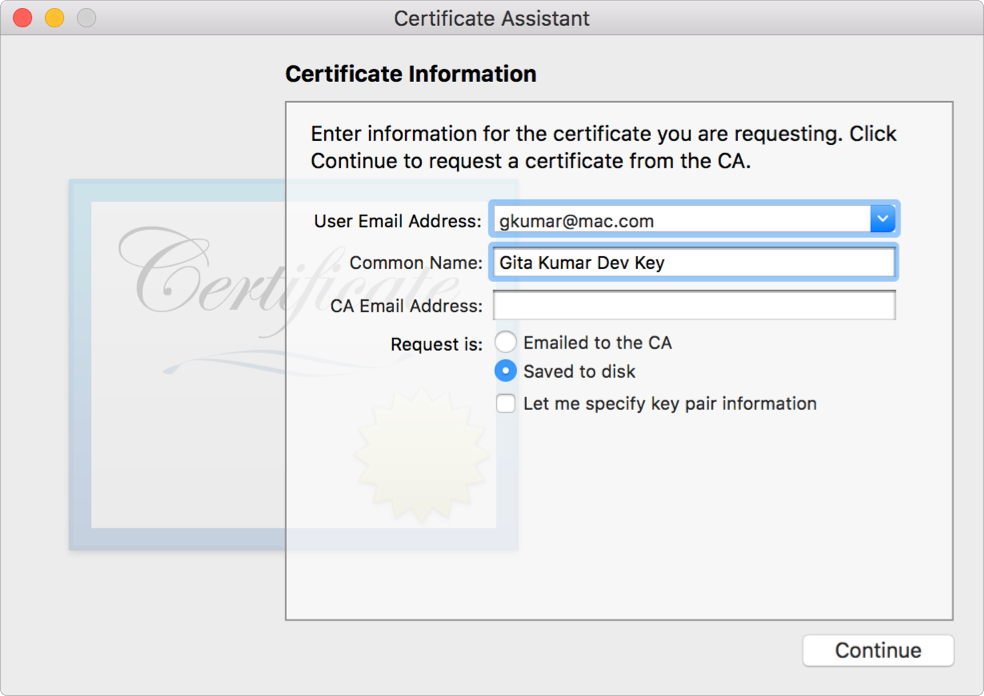
The most sensitive aspect of this repository access involves the potential exposure of private signing certificates. OpenAI utilizes these certificates to digitally sign its applications, providing a cryptographic guarantee to macOS and users that the software is authentic and has not been tampered with. While the company is working to remediate the situation, the exposure of these certificates necessitates the urgent update of all macOS-based applications to ensure users are running code signed with new, secure credentials.
Understanding Supply-Chain Risks in Modern Development
To understand why this event is so significant, it is necessary to look at the mechanics of a supply-chain attack. In traditional cyberattacks, a hacker targets a specific organization directly. In a supply-chain attack, the hacker targets a “supplier”—in this case, an open-source library like Tanstack—to reach the “customers” who use that library.
Modern software is rarely built from scratch. Instead, developers use package managers like npm to pull in thousands of slight, specialized pieces of code. This creates a massive, interconnected web of dependencies. If a single popular package is compromised, every application that uses that package, and every application that uses a package that depends on it, becomes a potential vector for malware.
This “upstream” compromise allows attackers to bypass many traditional perimeter defenses. Because the malicious code is delivered through a trusted, legitimate channel (the npm registry), it is often automatically accepted by development tools and build servers. This makes the security of the open-source ecosystem a foundational component of global cybersecurity.
What This Means for macOS Users and Developers
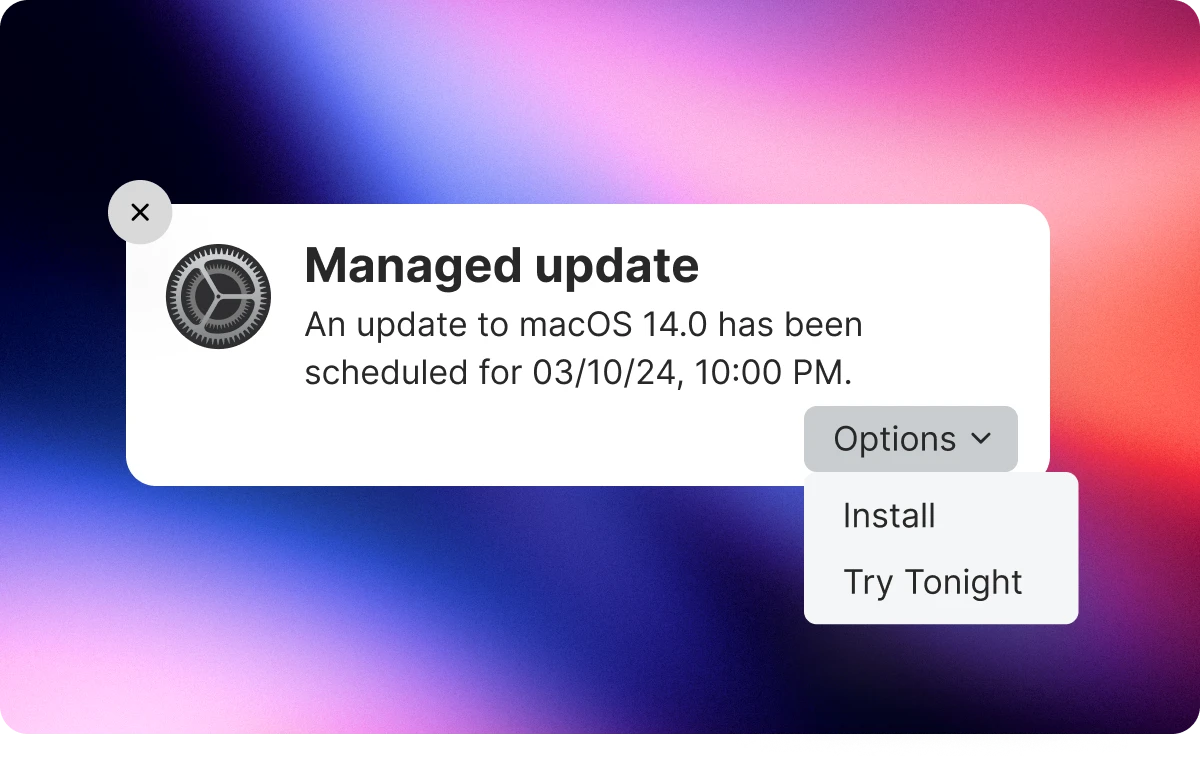
For the general user of ChatGPT, Codex, or Atlas on macOS, the primary directive is simple: update your software immediately. The update process is designed to replace any potentially compromised components with fresh, verified versions and to re-establish the integrity of the application via updated signing certificates.
For developers and DevOps engineers, this incident serves as a stark reminder of the importance of dependency management. Best practices to mitigate similar future risks include:
- Version Pinning: Avoid using wildcard versions in package files. Explicitly define the exact version of a dependency to prevent the automatic installation of a new, potentially malicious version.
- Dependency Auditing: Regularly use tools like `npm audit` to scan for known vulnerabilities in your dependency tree.
- Lockfiles: Always commit `package-lock.json` or `yarn.lock` files to version control to ensure consistent and predictable installs across all environments.
- Least Privilege: Ensure that developer environments and CI/CD pipelines operate with the minimum necessary permissions to limit the blast radius of a potential credential theft.
Key Takeaways
- Affected Apps: OpenAI’s ChatGPT, Codex, and Atlas for macOS.
- The Cause: A supply-chain attack via 84 malicious Tanstack npm packages.
- Critical Deadline: Users are urged to update by June 12, 2026.
- The Risk: Malware capable of stealing cloud computing credentials.
- OpenAI Status: No evidence of user data or production system compromise, but internal source code repositories were accessed.
Frequently Asked Questions
Is my ChatGPT conversation data safe?
According to OpenAI, there is currently no evidence that any user data was accessed during this incident. The primary focus of the malware was the exfiltration of developer credentials.
Why do I need to update if the malicious versions were removed?
The update is necessary because the attack may have exposed private signing certificates. Updating ensures that your apps are verified with new, secure certificates and that any local files that might have been affected are replaced.
What should I do if I am a developer who uses Tanstack?
If you installed any Tanstack packages on or around May 11, 2026, you should treat your development environment as potentially compromised. Review your logs for unauthorized activity and consider rotating any cloud or service credentials that were present on the host machine.
OpenAI is expected to provide further updates as its investigation into the internal repository access continues. We will monitor for official statements regarding the status of the signing certificates and any additional security measures being implemented.
What are your thoughts on the increasing frequency of supply-chain attacks? How is your organization managing dependency security? Let us know in the comments below and share this article to keep your network informed.
Keep reading
- Trails in the Sky the 2nd Chapter: New Trailer Released Ahead of September 17 Launch
- Diablo 2 Resurrected: Full-Game Herald Run, Torch, and Uber Barbarian Build Guide
- OpenAI Jony Ive Smart Speaker Priced at $300 to $400 for 2027 Release (time.news)
- Iran School Attack: Was the US Strike a War Crime? (newsdirectory3.com)