
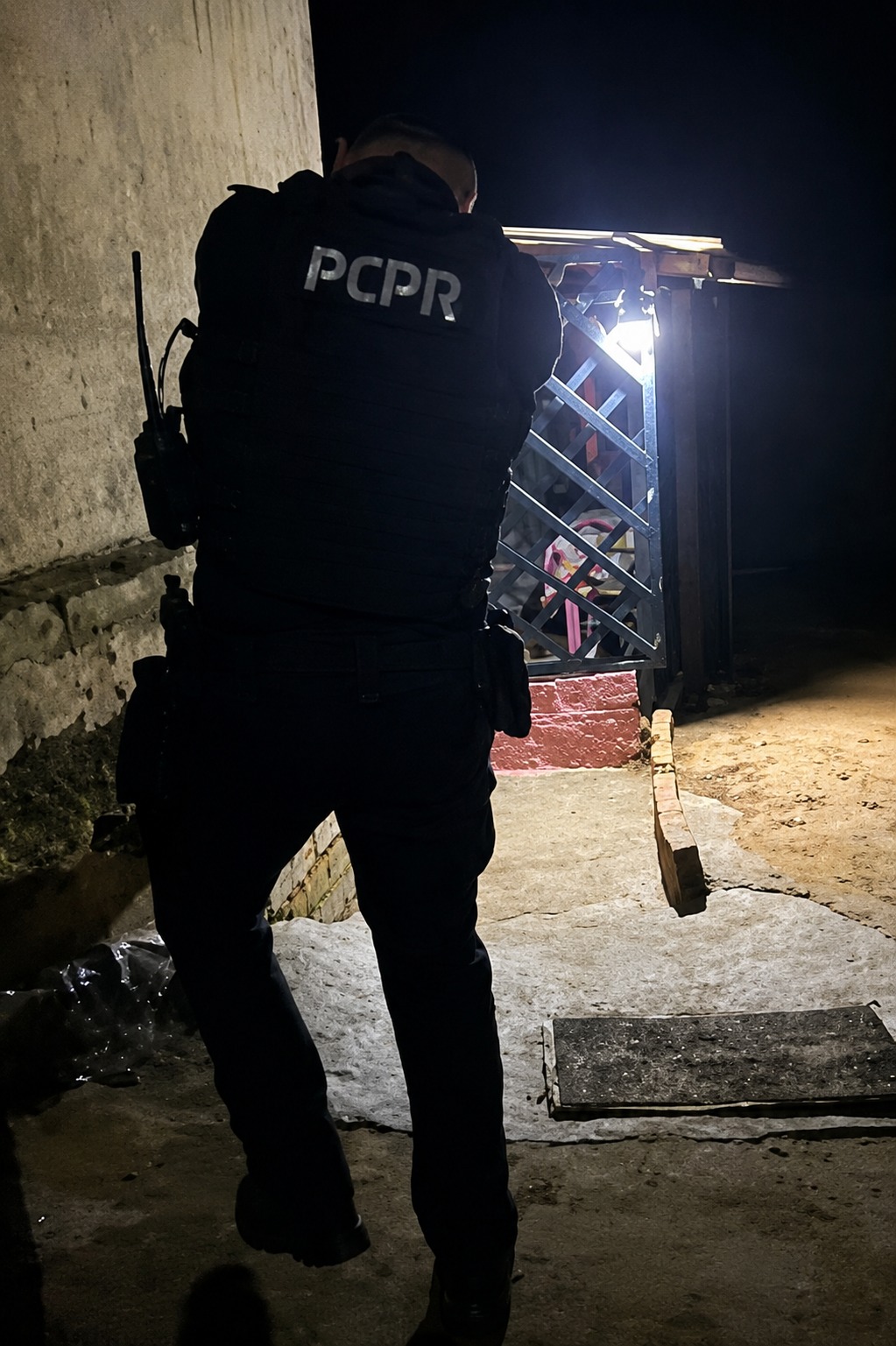
Authorities in Paranaguá, Brazil, have detained several minors in connection with a murder investigation, according to statements from the local civil police. The operation, described as “Front Line,” involved the arrest of individuals aged between 16 and 18, though no official charges have been publicly confirmed as of yet. The case has drawn attention due to the age of the suspects and the gravity of the alleged crime, raising questions about juvenile justice procedures in the region.
The arrests occurred amid an ongoing probe into a homicide that took place in late July 2024, though specific details about the victim or the circumstances of the crime remain unclear. Local law enforcement has not released a formal statement detailing the charges or the evidence linking the minors to the crime. However, a police spokesperson confirmed to Agência Brasil that the suspects were taken into custody following a “targeted operation” aimed at addressing violent crimes in the area.
The incident highlights broader concerns about youth involvement in criminal activities in Paraná state, where recent data from the Brazilian Public Security Forum shows a 12% increase in juvenile arrests for violent offenses compared to 2023. Experts note that such cases often intersect with socioeconomic challenges, including limited access to education and employment opportunities for at-risk youth.
Legal experts emphasize that the handling of such cases is governed by Brazil’s Statute of the Child and Adolescent (ECA), which prioritizes rehabilitation over punitive measures. Under the law, minors aged 12 to 18 can be subjected to “educational measures” rather than criminal prosecution, depending on the severity of the offense. However, the ECA allows for formal charges in cases involving “grave offenses,” such as homicide, if the judiciary determines that the minor is “capable of understanding the gravity of their actions.”
Details of the Arrests
According to a report by G1, a major Brazilian news outlet, the arrests took place on July 28, 2024, in the coastal city of Paranaguá, which is known for its port and tourism industry. The police operation reportedly involved over 50 officers and the use of surveillance technology to track the suspects. No injuries were reported during the arrests, and the minors were taken to a detention center for questioning.
While the exact number of detainees remains undisclosed, local media outlets have cited anonymous police sources suggesting that at least four individuals were detained. The police have not confirmed these figures, and no names have been released. A statement from the Paranaguá Police Department stated, “The investigation is ongoing, and we are cooperating with the Public Prosecutor’s Office to ensure all legal procedures are followed.”
The case has sparked debate among legal scholars and human rights advocates. Dr. Maria Helena Silva, a professor of criminal law at the Federal University of Paraná, noted that “the use of force in detaining minors is a sensitive issue. While public safety is a priority, the rights of young people must be protected to prevent long-term harm to their development.”
Legal Proceedings and Public Reaction
The next step in the process will involve the Public Prosecutor’s Office, which will determine whether to file formal charges against the suspects. Under Brazilian law, the prosecutor has 30 days to decide whether to pursue a criminal case or refer the matter to a juvenile court. If charges are filed, the case could take several months to reach trial, given the backlog of cases in the country’s judicial system.
Public reaction to the arrests has been mixed. Some residents of Paranaguá have expressed support for the police action, citing a recent spike in violent crimes in the city. “We need to protect our community,” said local business owner João Ferreira. “If these kids are involved in a murder, they should be held accountable.”
Others, however, have raised concerns about the potential for over-policing of young people, particularly in marginalized communities. The Brazilian Institute of Youth Rights (IBD) released a statement urging caution, saying, “It is crucial to ensure that the rights of minors are not overlooked in the name of public safety. The focus should be on addressing the root causes of violence, not just punishing the symptoms.”
The case also intersects with national discussions about juvenile justice reform. In 2023, the Brazilian government proposed amendments to the ECA to clarify the conditions under which minors can be prosecuted for violent crimes. The reforms, which are still under consideration, aim to balance accountability with the need for rehabilitation.
Context and Broader Implications
Paranaguá, a city of approximately 230,000 residents, has experienced a rise in violent crime in recent years, according to data from the Paraná State Security Secretariat. Homicide rates in the region increased by 8% in 2023, with many cases linked to gang activity and drug trafficking. The arrest of minors in this context has reignited debates about the role of youth in these criminal networks.
Experts point to socioeconomic factors as key drivers of juvenile delinquency. A 2022 study by the Brazilian Institute of Geography and Statistics (IBGE) found that 34% of young people in Paraná live below the poverty line, and 22% lack access to secondary education. These conditions, combined with limited job opportunities, create environments where youth may turn to criminal activity as a means of survival.
Child and adolescent rights organizations have called for increased investment in social programs to address these underlying issues. “Prevention is more effective than punishment,” said Ana Paula Costa, director of the NGO Criança Futuro. “We need to provide young people with alternatives to crime, such as education, vocational training, and mental health support.”
The case also underscores the challenges faced by law enforcement in combating organized crime. While the police have praised the operation as a success, critics argue that such efforts often fail to address systemic issues. “Arresting a few minors won’t solve the problem if the root causes—like poverty