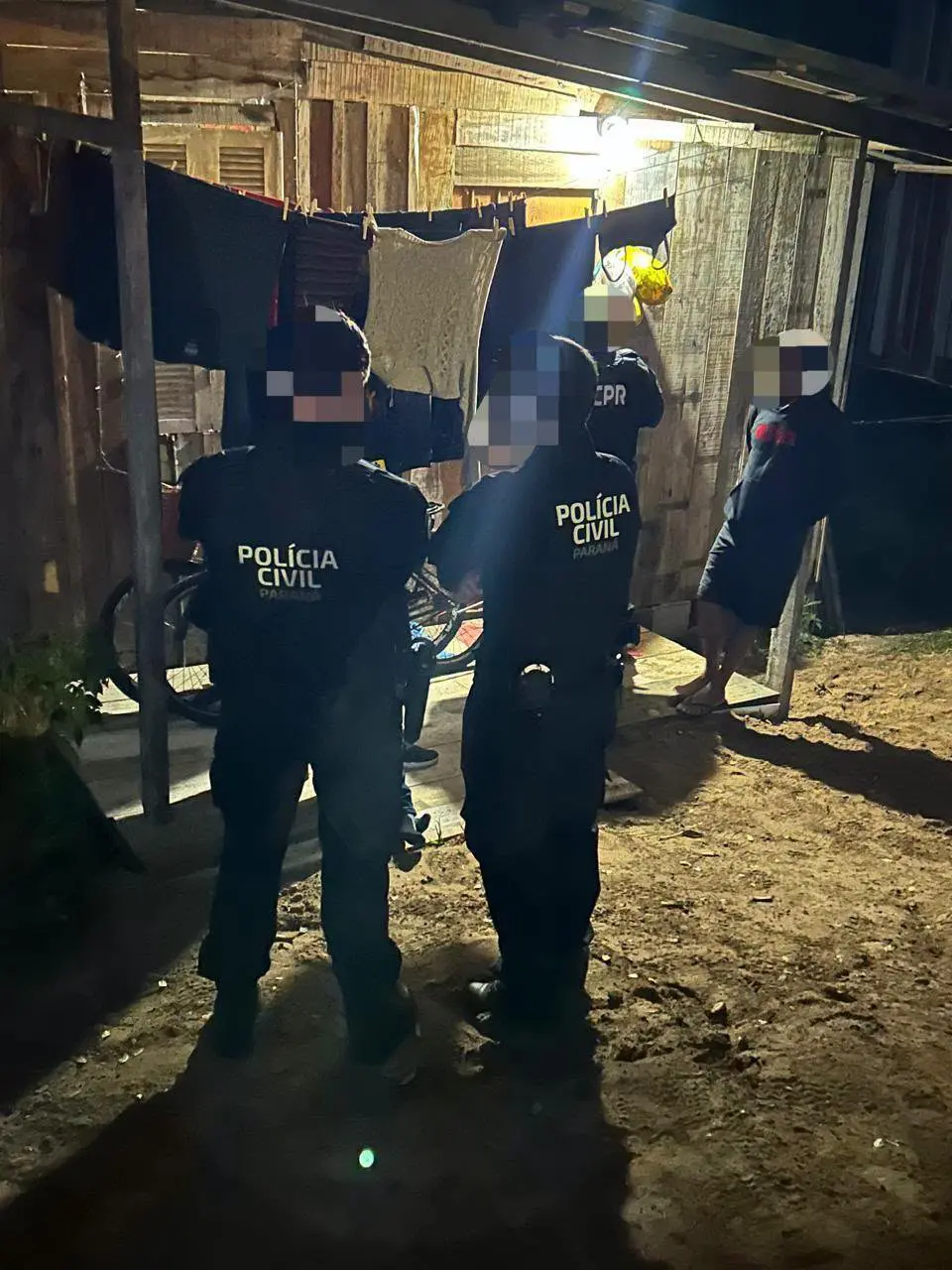
Operation Safe Neighborhood represents a coordinated law enforcement push aimed at dismantling localized drug distribution networks and strengthening community security through an increased tactical presence on the ground. According to official reports outlining regional security initiatives, law enforcement agencies have intensified patrols, targeted street-level trafficking hubs, and synchronized intelligence-sharing protocols to disrupt illicit drug supply chains in vulnerable communities.
The strategic deployment comes in response to rising concerns over open-air narcotics markets and associated neighborhood disturbances. By establishing a more consistent and visible security footprint, municipal and regional authorities seek to restore public order, deter criminal networks from establishing permanent territory, and build closer cooperative channels with local residents. Security planners emphasize that maintaining sustained pressure on localized supply chains is essential for preventing larger transnational cartels from embedding their operations within urban neighborhoods.
Security analysts note that these neighborhood-focused operations rely heavily on real-time intelligence collection and rapid response capabilities. By coordinating municipal law enforcement units with specialized regional task forces, agencies can execute targeted interventions rather than relying solely on generalized patrols. This multifaceted approach targets mid-level distributors and street-level suppliers simultaneously, cutting off the immediate pipeline of illicit substances reaching local streets.
Operational Tactics and Community Coordination
The framework behind Operation Safe Neighborhood emphasizes active community engagement alongside increased tactical deployment. Law enforcement officials have established designated communication channels allowing residents to report suspicious activities anonymously, facilitating faster investigative turnarounds. According to departmental guidelines, community policing units work in tandem with tactical squads to ensure that enforcement actions are balanced with local security needs.
Beyond immediate enforcement, the initiative incorporates social support frameworks designed to address the root causes of recurring neighborhood crime. Regional authorities coordinate with local public health agencies and social services to offer pathways toward rehabilitation for individuals struggling with substance use disorders identified during operations. This integrated methodology recognizes that strict law enforcement interventions alone cannot permanently resolve systemic distribution networks without addressing local demand and vulnerability factors.
Impact and Future Enforcement Steps
Early evaluations of the operational phase indicate a measurable increase in security force visibility across designated high-priority sectors. Officials report that targeted interventions have disrupted several local distribution nodes, though ongoing monitoring remains necessary to prevent displacement to neighboring areas. As the initiative progresses, regional command centers continue to analyze enforcement data to refine resource allocation and maximize tactical efficiency.
Law enforcement leadership has scheduled comprehensive operational reviews to assess the long-term efficacy of the neighborhood security strategy. Future phases will incorporate updated intelligence assessments and expanded inter-agency cooperation protocols. Residents and community stakeholders seeking official updates on security advisories and public safety schedules can consult regional government portals and municipal law enforcement announcements.
Worth a look