
Oracle has launched a pilot program for outcome-based AI billing, marking a strategic shift in how the enterprise technology giant charges for artificial intelligence services. The initiative, which currently involves 33 organizations, aims to align software costs directly with the tangible business value generated by AI agents rather than traditional, consumption-based metrics like token usage. This development follows a period of significant growth for the company, as reported in its most recent fiscal results, where it disclosed a 93% year-over-year increase in cloud infrastructure revenue.
The move arrives as Oracle prepares for substantial capital expenditure, with plans to invest upward of $70 billion in the next fiscal year to support surging demand for AI workloads and database services. According to company leadership, the shift toward outcome-based pricing is designed to help customers integrate AI into their operations more predictably, allowing them to scale productivity within established budgetary constraints.
Moving Beyond Token-Based Economics
For many enterprises, the current standard of “token-based” pricing—where customers pay for every unit of data processed by a model—has become increasingly difficult to manage. Because agentic AI workloads can consume vastly different amounts of data depending on the task, forecasting costs has become a significant challenge for Chief Information Officers (CIOs). Industry analysts suggest that this complexity is driving the move toward alternative billing models.
Sanchit Vir Gogia, chief analyst at Greyhound Research, notes that while token economics will likely remain as the underlying “plumbing” of AI systems, businesses are increasingly seeking a friendlier commercial interface. “Nobody wants to build a strategic AI roadmap around a taxi meter with a PhD,” Gogia stated. He highlighted that independent research shows identical AI tasks can vary in token consumption by as much as thirtyfold, making traditional metered billing an unreliable metric for enterprise-level financial planning.
This sentiment is echoed by Scott Bickley, an advisory fellow at the Info-Tech Research Group, who describes current variable consumption models as a “black box” that is difficult for organizations to decipher. Bickley suggests that abstracting these mechanics into a single, outcome-based price point could provide the transparency that CIOs currently lack. “If you can totally abstract that pain away and give me an outcome for a price, then you’re well ahead of the majority of the pack,” he observed.
The Strategic Shift to Infrastructure Scale
Oracle’s pivot to outcome-based billing is part of a broader evolution for the firm. As noted by company executives, Oracle has moved beyond being a traditional software provider to operating as an industrial-scale AI infrastructure company. This transition is supported by the company’s recent financial disclosures, which link the 93% revenue growth in cloud infrastructure to the intensive requirements of modern AI and database management.
However, this transition introduces new complexities for stakeholders. Analysts warn that while the transition to outcome-based pricing may simplify invoices, it also places the vendor in a position where they act as both the supplier and the referee of what constitutes a “successful outcome.” As Oracle continues to scale its infrastructure, the company faces the challenge of managing the execution risks associated with such a large-scale industrial pivot.
Gogia advised that CIOs should carefully separate the company’s “construction momentum”—the heavy investment in data centers and hardware—from “execution certainty.” He noted that the primary hurdles for AI adoption are shifting away from GPU availability and toward more systemic issues, including power availability, regulatory permitting, and political considerations.
What Comes Next for Enterprise AI Billing
The pilot program involving 33 organizations serves as a testing ground for this new commercial model. As Oracle moves forward, the industry is expected to see a broader shift toward hybrid pricing structures. In these arrangements, while tokens may still be used to track internal resource consumption, they will likely be increasingly hidden from the final bill presented to the customer.
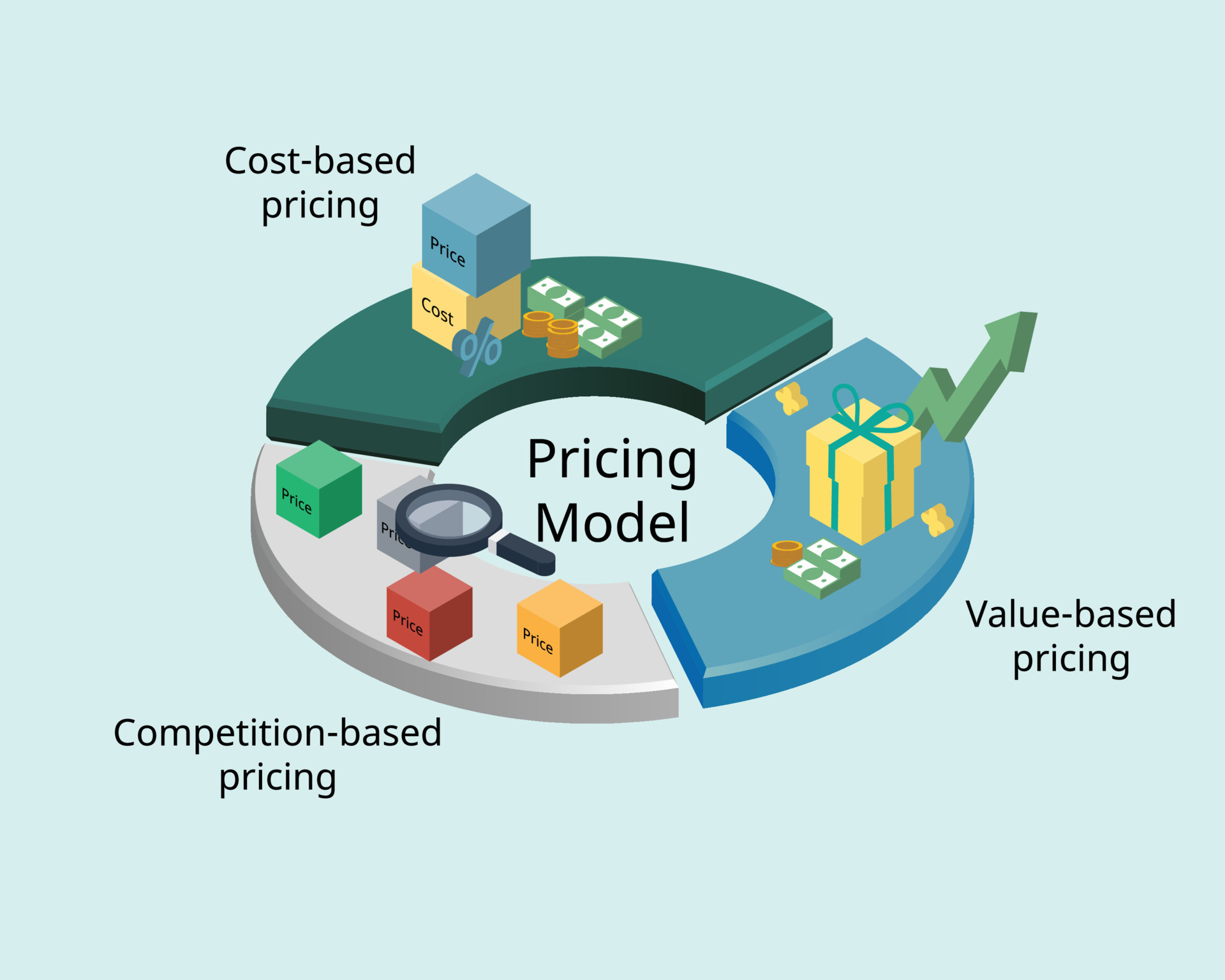
For organizations looking to integrate AI into their business processes, the next several quarters will be critical for observing how Oracle’s outcome-based pricing performs in production environments. CIOs and procurement leads can monitor official investor relations updates and forthcoming product documentation on the Oracle Investor Relations website for further details on the expansion of these agentic offerings.
The company is expected to provide further updates on its fiscal performance and infrastructure strategy during its next quarterly earnings call. Readers are encouraged to share their experiences with enterprise AI licensing models in the comments below.